




Win the War on Clumpy Spices
Moisture is the biggest enemy of your spice collection during the monsoon. The key to keeping your turmeric, chilli powder, and garam masala aromatic and free-flowing is to create an impenetrable barrier against humid air. Transfer all spices from their
original paper or plastic packets into clean, completely dry, airtight glass jars. Glass is non-reactive and provides a better seal than most plastics. When cooking, never hold the spice jar directly over a steaming pot, as the vapour can introduce moisture instantly. Always use a completely dry spoon for scooping, and store your spice rack in a cool, dark cabinet away from the stove and sink. For extra protection, consider placing a food-safe silica gel packet inside your spice cabinet (not the jars) to absorb ambient moisture.
Protect Grains and Flours from Pests
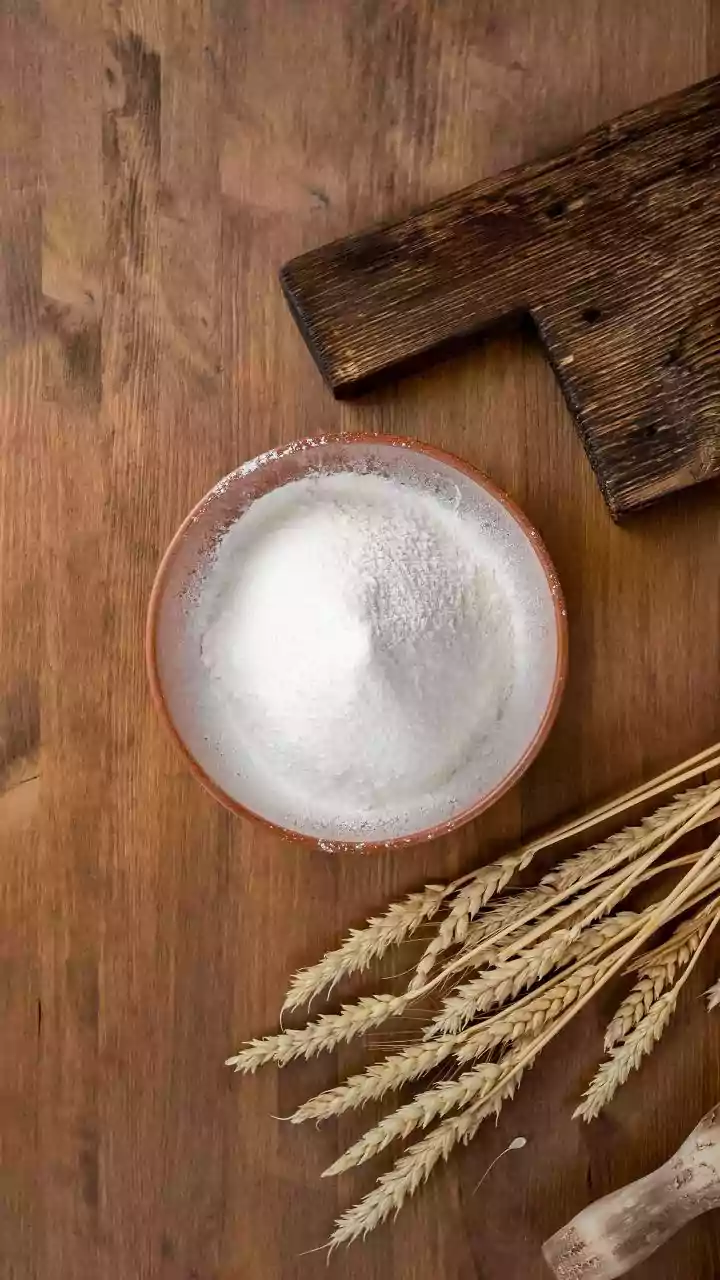
High humidity is an open invitation for pests like weevils and flour beetles, which thrive in damp conditions. Their eggs, often present in grains from the time of purchase, hatch rapidly in the warmth and moisture of the monsoon. To combat this, take pre-emptive action. Lightly dry-roasting grains like rice, dalia, and sooji before storing them can remove excess moisture and extend their shelf life. For flours, freezing the packet for a few days after buying it can kill any existing eggs and larvae. After these treatments, the most crucial step is storage. Move all grains and flours out of their bags and into large, airtight containers made of glass, food-grade plastic, or steel. Adding a few dried bay leaves or neem leaves inside the container can act as a natural insect repellent.
Keep Snacks and Biscuits Crispy
There's nothing more disappointing than reaching for a crunchy biscuit or a crispy piece of namkeen, only to find it has turned soft and chewy. The hygroscopic nature of these snacks means they readily absorb moisture from the air. Your best defence is an airtight container, preferably made of steel or glass, as plastic can sometimes trap humidity. Immediately transfer snacks from opened packets into these containers. For added protection, you can line the container with a paper towel or tissue to absorb any trapped moisture. If your snacks do fall victim to the humidity, a quick fix is to spread them on a baking tray and reheat them in a preheated oven for a few minutes to draw out the moisture and restore their crunch.
Extend the Life of Fruits and Vegetables
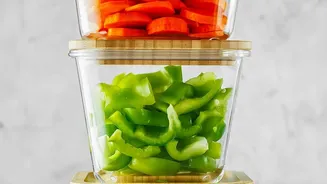
Fresh produce is particularly vulnerable during the monsoon. Excess moisture accelerates rot and mould growth. The first rule is to ensure vegetables are completely dry before you store them. If they are wet from the market, pat them dry gently with a cloth. It's often better to wash vegetables just before use rather than before storing. For leafy greens like spinach and coriander, wrap them in paper towels to absorb moisture before placing them in a ventilated or perforated bag in the refrigerator. Don't just toss produce into the fridge in the thin plastic bags from the vendor; these bags trap condensation, which leads to spoilage. Root vegetables like onions, potatoes, and garlic should be stored outside the fridge in a cool, dark, and well-ventilated area, such as in a mesh bag or basket.
Adopt Smarter Kitchen Habits
Beyond specific food items, a few general changes in your kitchen routine can make a huge difference. Avoid buying in bulk during the rainy season; instead, purchase smaller quantities more frequently to ensure freshness. Always make sure your hands and any utensils are completely dry before reaching into a container. Even a tiny amount of moisture can spoil an entire batch of spices or flour. Regularly inspect your pantry items for any signs of clumping, mould, or a musty smell. Catching a problem early can prevent it from spreading. Finally, ensure your storage areas, like cabinets and pantries, are well-ventilated and dry. Placing natural absorbers like camphor balls or baking soda inside closed cabinets can help combat musty smells and dampness.