


A Landscape Reborn in Green
The most dramatic change during the monsoon is the landscape itself. The rain transforms the sun-baked countryside into a vibrant, emerald paradise. The Western Ghats come alive, with forests appearing denser and streams swelling into powerful rivers.
This is the best time to witness waterfalls like Dudhsagar in their full, thundering glory, an effect often described as a 'sea of milk'. The journey to these falls, often involving a trek through lush wildlife sanctuaries, becomes an adventure in itself. Beyond the famous spots, simple drives through rural Goa reveal paddy fields of an impossible green and quiet lanes canopied by rain-washed trees, offering a peaceful beauty rarely seen during the crowded peak season.
The Beaches Take a Breath
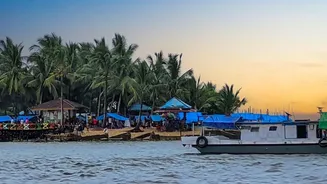
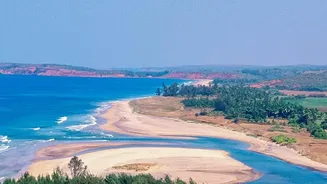
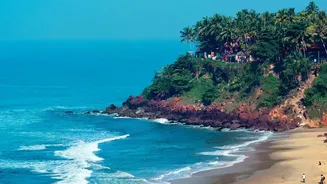
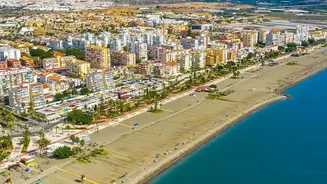
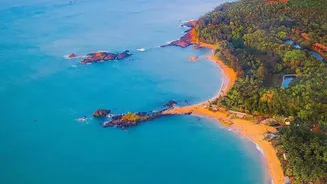
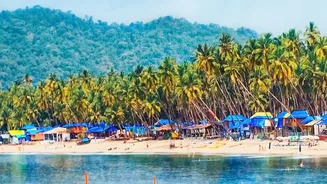
While the monsoon isn't the time for swimming—the sea becomes rough and unsafe—the beaches offer a different kind of magic. With most temporary shacks dismantled for the season, the coastline returns to a more natural, tranquil state. The beaches are blissfully empty, perfect for long, contemplative walks with only the sound of crashing waves for company. While you won't be sunbathing, you can enjoy the dramatic, cloudy skies from the safety of a permanent café or resort. Some establishments in areas like Morjim and Ashwem remain open, offering stunning sea views without the crowds.
Adventures Beyond the Sand
The off-season encourages exploration of Goa’s rich hinterlands and cultural heart. White-water rafting on the Mhadei River becomes a premier monsoon activity, with rapids offering a genuine thrill. For a calmer experience, you can kayak on the serene backwaters of the Chapora River, surrounded by mangroves. It’s also an ideal time for heritage walks through the rain-washed lanes of Fontainhas, Panjim’s Latin Quarter, where the vibrant colours of the Portuguese-era houses seem to pop against the grey sky. Spice plantations are another highlight; a tour after a fresh spell of rain is an aromatic experience, often concluding with a traditional Goan meal.
The Practical Perks of a Monsoon Trip
Beyond the aesthetic and experiential shifts, an off-season holiday is also significantly lighter on the wallet. Prices for flights and accommodations can drop by as much as 40-60% compared to the peak winter months. This makes luxury stays and boutique hotels more accessible. With fewer tourists, there are no long queues at restaurants or attractions, allowing for a more relaxed and spontaneous itinerary. This slower pace provides a chance to interact more meaningfully with locals and experience Goa’s authentic rhythm, away from the frenetic energy of party season.
Planning Your Off-Season Escape
A successful monsoon trip requires a slight shift in mindset and planning. Flexibility is key, as heavy rain can alter plans at a moment's notice. It's wise to book stays in well-connected areas to ensure access to transport and food even during downpours. Packing should focus on quick-dry clothing, waterproof footwear with good grip, and a reliable raincoat or poncho. While many beach shacks are closed, Goa’s permanent restaurants, bars, and cafes in towns like Calangute, Candolim, and Panjim remain open, offering cozy refuge and delicious food. Be sure to carry mosquito repellent and be prepared for high humidity.