








The Scale of India's 'Hidden Hunger'
While India has made strides in fighting calorie-based malnutrition, a less visible but equally damaging problem persists: micronutrient deficiency. This 'hidden hunger' means that a large percentage of the population isn't getting enough essential vitamins
and minerals, even if they are eating enough calories. Statistics reveal a startling picture. According to the National Family Health Survey (NFHS-5), 67% of children and 57% of women suffer from anemia, largely due to iron deficiency. Furthermore, studies indicate that over 70% of Indians consume less than the recommended daily amount of micronutrients. Deficiencies in iron, iodine, vitamin D, vitamin B12, and folic acid are widespread, impacting all age groups. The consequences are severe, leading to impaired cognitive development in children, weakened immune systems, lower productivity in adults, and an increased risk of illness.
What is Food Fortification?
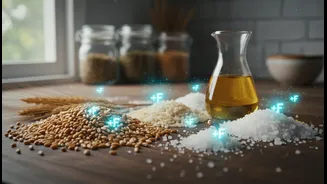
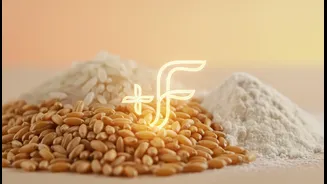
Food fortification is the scientifically proven practice of deliberately increasing the content of essential micronutrients in a food to improve its nutritional quality. As defined by the World Health Organization (WHO), it involves adding one or more key nutrients to staple foods that are widely consumed by the population. The goal is to deliver these vital nutrients to a large number of people without requiring them to change their dietary habits. In India, the Food Safety and Standards Authority of India (FSSAI) regulates this process. Common examples include adding iodine and iron to salt, vitamins A and D to milk and edible oils, and iron, folic acid, and vitamin B12 to staples like wheat flour and rice. To help consumers, FSSAI introduced the '+F' logo, which clearly identifies products that have been fortified according to national standards.
A Cost-Effective Public Health Tool
One of the greatest strengths of food fortification is its cost-effectiveness and scalability. It is considered one of the most efficient ways to tackle nutrient gaps across a large population. The Copenhagen Consensus, a global development think tank, estimates that every rupee spent on fortification can yield a significant return in terms of improved health, cognitive ability, and productivity. India’s own history shows its success, most notably with the near-universal iodization of salt, which dramatically reduced iodine deficiency disorders like goitre. Fortification works because it integrates nutrients into the food people are already eating, making it a passive but powerful intervention. It reaches vulnerable populations through social safety net programs like the Public Distribution System (PDS) and the PM POSHAN scheme (formerly Mid-Day Meal Scheme), ensuring that women and children benefit.
Challenges and the Path Forward
Despite its proven benefits, food fortification is not a magic bullet and faces several challenges in India. A major hurdle is the fragmented nature of the food industry, especially for staples like rice and wheat flour, where many small, local mills lack the technology and resources for proper fortification. Ensuring consistent quality, proper storage, and effective monitoring across the entire supply chain is a complex task. For instance, the government recently paused the procurement of new fortified rice, citing studies that showed nutrients could degrade during prolonged storage, reducing effectiveness. There are also debates about the risk of 'over-fortification' and whether it distracts from the ultimate goal of promoting diverse, naturally nutritious diets. Experts argue that fortification must be paired with strong regulatory oversight, public awareness campaigns, and continued efforts to improve dietary diversity. It is a crucial tool to complement, not replace, a balanced diet.