




An Orchestra of Nerve Endings
Your feet contain over 200,000 nerve endings, making them one of the most sensitive parts of your body. This dense network is designed for proprioception—your body's ability to sense its own position and movement in space. When you hike barefoot, every
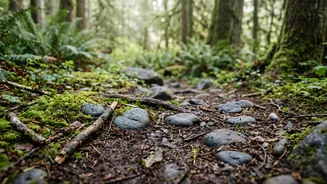
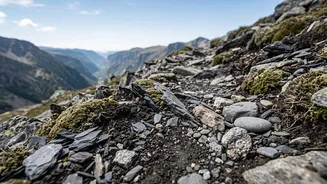
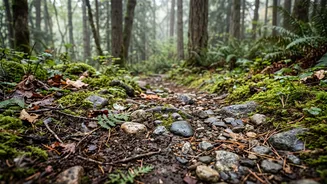
texture sends a flood of information to your brain. A patch of cool, soft moss tells your brain to relax its step, while a sharp-edged rock signals the need for caution and a shift in balance. Unlike the muffled experience in a rigid boot, this constant feedback loop allows for immediate, subconscious adjustments, improving your balance and coordination on uneven terrain. This sensory input is not just for avoiding stumbles; it's how your body 'reads' the world and moves through it with more awareness and precision.
Waking Up Your Foot Muscles
Modern hiking boots provide ample support, but they can also act like a cast, causing the smaller, intrinsic muscles in your feet to become lazy. Barefoot hiking forces these dormant muscles to activate. As your feet conform to the varying shapes of the ground—gripping with your toes on an incline or spreading to stabilize on soft earth—you are essentially giving them a full workout. Studies have shown that walking in minimalist footwear, which mimics being barefoot, can significantly increase foot muscle strength in a matter of months. This strengthening of the arches and stabilizing muscles can help prevent common ailments like plantar fasciitis and improve your overall foot mechanics and posture.
A Textural Journey for Your Soles
The experience of barefoot hiking changes dramatically with the surface underfoot. Walking on a carpet of pine needles provides a form of natural cushioning, while soft grass offers a gentle, yielding surface. Muddy trails force your toes to dig in and grip, providing a unique challenge that strengthens your arches. Smooth, sun-warmed rocks can feel like a natural foot massage, stimulating blood flow. This variety of sensations does more than just engage your muscles; it enhances the mental experience of hiking. The constant, changing feedback from the ground keeps you focused on the present moment, turning a simple walk into a more mindful and immersive activity.
It’s About the Gait
Heavy, cushioned shoes often encourage a longer stride and a heavy heel-strike landing. When you walk barefoot, you naturally adapt your gait to reduce impact. Most people will instinctively shorten their stride, increase their cadence slightly, and land more softly on their midfoot or forefoot. This change doesn't just protect your heel from bruising; it alters the biomechanics of your entire body. The impact forces are distributed more evenly, which can reduce strain on your ankles, knees, and hips over a long trek. It's a more responsive and adaptive way of moving, guided by the direct feedback from the ground rather than the artificial construction of a shoe.
Start Slow and Stay Safe
While the benefits are compelling, transitioning to barefoot hiking requires patience and caution. Your feet, accustomed to protection, are vulnerable to cuts, bruises, and infections from sharp objects or bacteria. It's crucial to start slowly. Begin with short, 15- to 20-minute walks on safe, soft surfaces like a grassy park or a sandy beach before tackling more rugged trails. Pay close attention to your body's signals and inspect your feet for any injuries after each walk. For those not ready to go fully bare, minimalist or 'barefoot' shoes offer a good compromise, providing a layer of protection while still allowing for natural foot movement and sensory feedback.