






The Urban Heat Island Effect
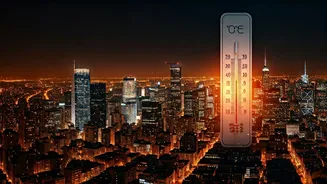
The core reason our cities stay warm is a phenomenon known as the Urban Heat Island (UHI) effect. In simple terms, urban areas absorb and retain significantly more heat than their surrounding rural counterparts. This turns cities into 'islands' of higher
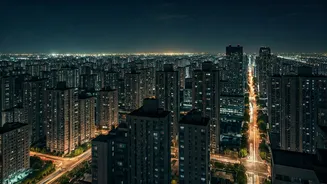
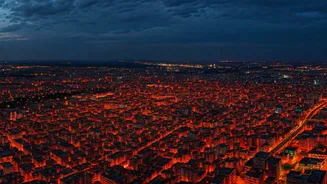
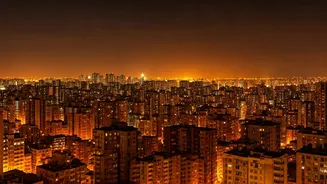
temperatures, particularly noticeable at night when the countryside cools down but the city continues to radiate the heat it soaked up all day. Studies have shown that night-time temperatures in some Indian cities are rising at double the rate of the surrounding areas, making nights increasingly uncomfortable and dangerous.
A Concrete and Asphalt Sponge
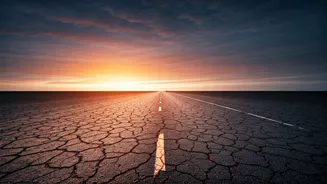
Think about the materials that make up our cities: concrete, asphalt, bricks, and dark-coloured surfaces. These materials are excellent at absorbing solar radiation. Throughout the day, our buildings, roads, and pavements act like giant sponges, soaking up the sun's energy. When night falls, they begin to release this stored heat back into the atmosphere. Unlike natural surfaces like soil and vegetation, which cool down quickly, these man-made materials release heat slowly, keeping the ambient temperature high for hours after sunset.
The Disappearing Green Cover
Rapid and often unchecked urbanisation has come at the cost of green spaces. Trees, parks, and water bodies play a crucial role in cooling the environment. Trees provide shade, which prevents solar radiation from hitting the ground directly. More importantly, they cool the air through a process called evapotranspiration, where water evaporates from leaves, much like how sweating cools our bodies. As cities expand, replacing forests and lakes with buildings and roads, we lose these natural air conditioners. This loss of green cover is a major contributor to the UHI effect.
Trapped Heat in Urban Canyons
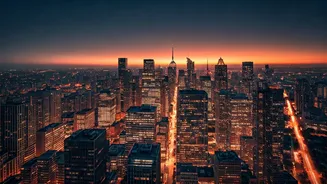
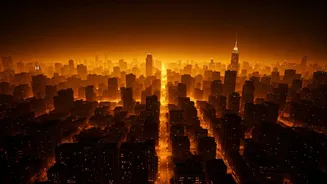
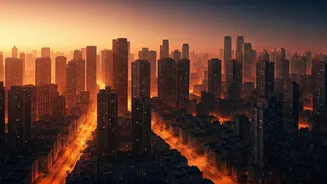
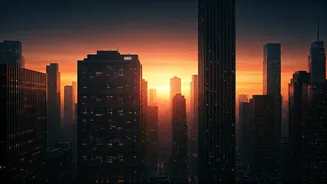
The very structure of a modern city contributes to trapping heat. The dense clusters of tall buildings create what are known as 'urban canyons'. These narrow street corridors limit the amount of open sky through which heat can escape via radiation. They also obstruct wind flow, preventing hot air from being dispersed and cooler breezes from moving through the city. This trapped air, combined with the heat radiating from building surfaces, creates a stifling microclimate at street level that persists long into the night.
The Human Factor: Our Own Heat Generation
Finally, we add to the problem through our daily activities. This is known as anthropogenic heat. Vehicle engines, industrial processes, and especially air conditioners all generate and release waste heat directly into the urban environment. There's a painful paradox with air conditioning: while it cools our interiors, the external units pump hot air outside, contributing to the overall heat load of the city. As more people rely on ACs to cope with the heat, it creates a vicious cycle, making the city even hotter for everyone, particularly those who cannot afford mechanical cooling.