




The Great Indian Food Paradox
Step into any Indian kitchen, and you'll find a rich tapestry of ingredients—lentils, vegetables, grains, and spices. This culinary diversity is a source of national pride. Yet, despite this apparent variety, a quiet nutritional crisis is unfolding on our plates.
Studies show that many Indians, even in middle and upper-income families, suffer from micronutrient deficiencies. This creates a paradox: our plates are full and varied, but our cells might be starving for essential nutrients. The problem isn't just about the quantity of food, but the quality of that variety and what it truly provides.
When Variety Isn't Enough
The core of the issue lies in the composition of the average Indian diet. It is often heavily dominated by carbohydrates. Cereals like rice and wheat are staples that form the bulk of our meals, providing energy and a feeling of fullness. While a meal might include dal, a vegetable curry, and roti, the overall balance can be skewed. These meals can be varied in taste and appearance but still lack sufficient quantities of high-quality protein and certain essential vitamins and minerals. The result is what experts call "hidden hunger"—a deficiency of micronutrients that occurs even when a person consumes enough calories.
The Common Nutrient Gaps
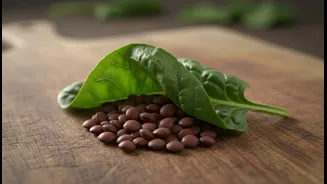
Several key nutrient deficiencies are widespread across India, affecting people of all ages. Iron deficiency anaemia is rampant, with the National Family Health Survey (NFHS-5) revealing that over half of women aged 15-49 are anaemic. This is often due to diets low in easily absorbable iron. Vitamin D deficiency is another major concern, affecting an estimated 70-90% of urban Indians, partly due to indoor lifestyles. Vitamin B12, primarily found in animal products, is a common deficiency, especially among the large vegetarian population, and can lead to neurological issues if unaddressed. Other widespread deficiencies include zinc, magnesium, and protein, with studies showing that even when protein sources are available, they are often under-consumed.
The Role of Cost and Choices
Affordability plays a crucial role. While a basic meal can be inexpensive, a truly nutrient-dense diet that includes a sufficient amount of fruits, vegetables, pulses, and dairy can be costly for a significant portion of the population. Estimates suggest that a large percentage of Indians cannot afford a diet that meets recommended nutritional guidelines. When budgets are tight, nutrient-rich foods are often the first to be cut. Beyond cost, cultural habits and a lack of nutritional awareness also play a part. Diets centered on carbohydrates are traditional and comforting, and shifting these deep-seated patterns requires more than just access to different foods. Furthermore, the rise of cheap, convenient, and aggressively marketed processed foods high in sugar, salt, and fat has added another layer to the problem, often displacing more nutritious, whole foods.
From Variety to True Nourishment
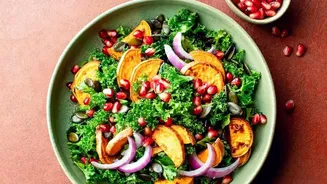
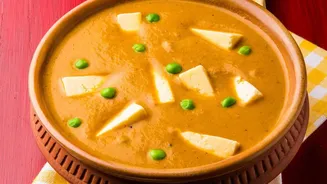
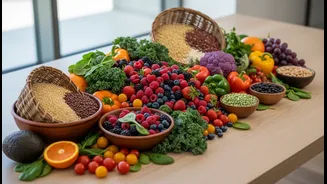
The solution isn't to abandon the idea of variety but to redefine it. The focus must shift from simply eating different types of food to eating different types of nutrient-dense foods. The Indian Council of Medical Research (ICMR) regularly updates dietary guidelines to help people make better choices, emphasizing increased intake of vegetables, legumes, and whole grains. This means consciously including more protein sources like paneer, curd, and a mix of dals; adding more green leafy vegetables; and ensuring the diet isn't overwhelmingly composed of refined cereals. Small, intentional changes—like adding a portion of nuts and seeds, ensuring a serving of dairy, or replacing some refined grains with millets—can make a significant difference in bridging these hidden nutrient gaps.