
Why Yoga Is a Flexibility Superpower
Yoga is more than just stretching; it's a holistic practice that systematically improves flexibility. It works by combining active poses with mindful breathing. This approach helps relax the nervous system, allowing your muscles to release tension and
lengthen more effectively. Unlike exercises that target isolated muscles, yoga moves your body through various planes of motion—forward bends, backbends, twists, and side stretches. This helps hydrate the web-like connective tissue, called fascia, that surrounds your muscles and joints, breaking up stiffness and improving overall suppleness. Regular practice leads to better joint lubrication, elongated muscles, and an increased range of motion.
Consistency Over Intensity
The key to unlocking flexibility isn't about forcing yourself into a pretzel shape on day one. It’s about consistency. Committing to a short, 10-to-15-minute practice each day will yield far greater results than one intense, weekly session. This regularity allows your muscles and joints to loosen up gradually, building a sustainable and healthy range of motion. Listen to your body, move with your breath, and focus on how each pose feels rather than how it looks.
Cat-Cow Stretch (Marjaryasana-Bitilasana)
This is the perfect dynamic movement to warm up the spine. Start on all fours with your wrists aligned under your shoulders and knees under your hips. As you inhale, drop your belly, lift your chest, and look forward (Cow Pose). As you exhale, round your spine toward the ceiling and tuck your chin to your chest (Cat Pose). This gentle flow increases spinal flexibility, improves posture, and helps circulate fluid between your vertebrae.
Downward-Facing Dog (Adho Mukha Svanasana)
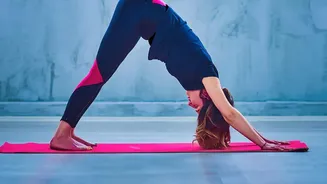
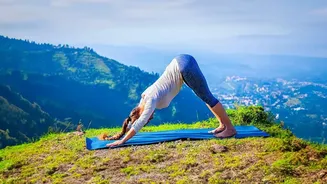
A cornerstone yoga pose, Downward-Facing Dog provides a full-body stretch, targeting the hamstrings, calves, and shoulders. From all fours, lift your hips up and back, forming an inverted 'V' shape with your body. Press firmly through your hands and lengthen your spine. For beginners, it's more important to keep the spine straight than to get your heels to the floor. Feel free to bend your knees generously and 'pedal' your feet, alternately bending one knee and then the other to gently stretch your hamstrings.
Seated Forward Bend (Paschimottanasana)
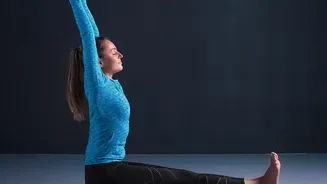
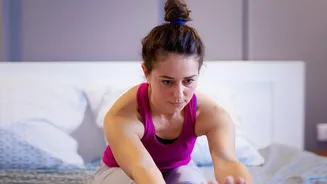
This pose provides an intense stretch for the entire back of the body, from your calves to your hamstrings and spine. Sit on the floor with your legs extended straight in front of you. Inhale to lengthen your spine, and as you exhale, hinge forward from your hips, not your waist. Rest your hands wherever they comfortably reach—your shins, ankles, or feet. If your hamstrings are tight, sit on a folded blanket or slightly bend your knees. This helps maintain a long spine and prevents rounding in the lower back.
Low Lunge (Anjaneyasana)
The low lunge is excellent for opening up the hip flexors, which often become tight from prolonged sitting. From a standing position, step one foot back and lower the back knee to the ground. Ensure your front knee is stacked directly over your ankle. Place your hands on your front thigh or raise them overhead for a deeper stretch. You should feel a stretch along the front of the hip of your back leg. Hold for 30 seconds before switching sides.
Bridge Pose (Setu Bandhasana)
This gentle backbend stretches the front of the body—including the chest, neck, and spine—while strengthening the back. Lie on your back with your knees bent, feet flat on the floor hip-width apart, and arms alongside your body with palms down. Press into your feet and lift your hips off the floor. You can clasp your hands together underneath your back for a deeper chest opening. This pose is a great counter-stretch to all the forward-bending and sitting we do in daily life.