





From Reactive to Proactive
Traditionally, public health systems have been reactive when it comes to monsoon-related diseases. An outbreak of dengue, malaria, or cholera would occur, and only then would resources be mobilised to control its spread. This approach, while necessary,
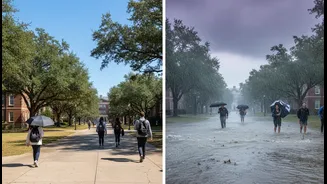
often meant that authorities were always a step behind. Now, that's changing. Health departments and municipal corporations across India are collaborating with meteorological agencies to use weather forecasts for proactive planning. Instead of waiting for cases to surge, they are using predictions of rainfall, temperature, and humidity to anticipate where and when disease vectors, like mosquitoes, are likely to thrive. This allows for preemptive action, turning the weather forecast from a simple guide for carrying an umbrella into a critical component of public health strategy.
How Data Drives Decisions
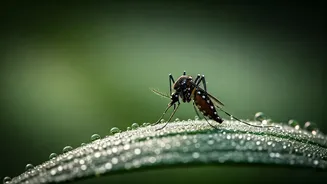
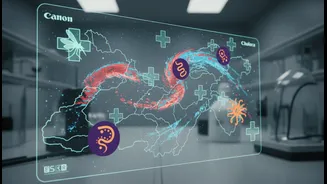
The collaboration hinges on data. The India Meteorological Department (IMD) provides detailed weather forecasts, including predictions for heavy rainfall, temperature fluctuations, and periods of high humidity. This information is shared with health bodies like the National Centre for Vector Borne Diseases Control (NCVBDC) and local municipal corporations. Using predictive models, some powered by Artificial Intelligence, officials can identify high-risk areas for disease outbreaks. For example, intermittent rain followed by a dry spell is known to create ideal breeding conditions for the Aedes aegypti mosquito, which spreads dengue. An alert predicting this weather pattern can trigger targeted interventions. This data-driven approach allows for a much more efficient allocation of resources, focusing efforts on areas that need them most, sometimes with a lead time of up to two weeks.
Targeting Monsoon Menaces
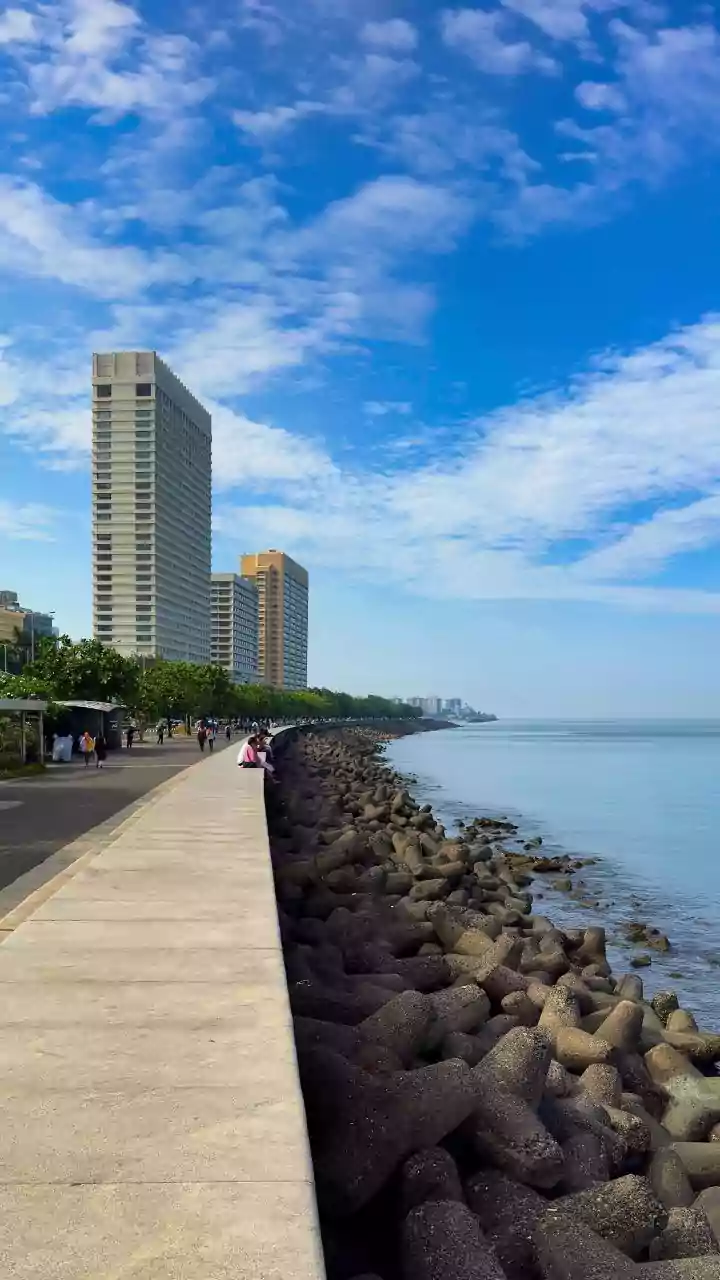
This new strategy is being deployed against a host of familiar monsoon illnesses. For vector-borne diseases like malaria and dengue, a forecast of heavy rain can prompt municipal teams to ramp up anti-larval spraying and fogging in potential hotspots before mosquito populations explode. Construction sites and areas prone to waterlogging are given special attention. For water-borne diseases such as cholera, typhoid, and gastroenteritis, weather alerts can signal the need for public awareness campaigns about drinking boiled or purified water and avoiding contaminated street food. In cities like Mumbai, the Brihanmumbai Municipal Corporation (BMC) uses this foresight to prepare its hospitals, set up dedicated fever clinics, and ensure an adequate supply of medicines before the annual surge in cases begins.
The Bigger Picture: Climate and Health
This integration of weather and health planning is more than just a clever use of technology; it's a crucial adaptation to the realities of climate change. Unpredictable weather patterns and more intense monsoon seasons are making disease outbreaks more frequent and severe. Health officials have noted that dengue, once considered seasonal, is now becoming a year-round threat in some areas due to changing weather. By building systems that can anticipate climate-sensitive health risks, authorities are creating a more resilient public health infrastructure. This approach isn't limited to rain; similar models are used to prepare for heat-related illnesses during extreme heatwaves. This collaboration represents a fundamental shift in acknowledging the direct link between the environment and public health, moving from crisis response to predictive prevention.