





Embrace Soft Luggage
Urban car owners know that every centimetre of boot space counts. Rigid, hard-shell suitcases are the enemy of efficient packing; their inflexible shapes create awkward, unusable gaps. The solution is to switch to soft-sided luggage like duffel bags or
backpacks. These bags can be compressed and moulded to fit into the odd corners of your car's boot, filling in spaces that a hard case would leave empty. Think of it like a game of Tetris you can actually win. For a four-day trip, a couple of well-packed duffel bags can hold all your clothes and essentials while tucking neatly around wheel wells and other obstructions, maximizing every available inch of space. This approach not only allows you to fit more but also makes accessing a specific bag easier without having to unpack the entire boot.
Master the Art of the Cube
Packing cubes are non-negotiable for the savvy traveller. These small, zippered fabric containers transform a chaotic suitcase into a set of organised drawers. Instead of digging through a pile of clothes for a pair of socks, you can simply pull out the relevant cube. For a car trip, take it a step further. Assign cubes by day or by activity. One cube for your Day 2 hiking outfit, another for your nice dinner attire. You can even colour-code them. This modular system means you only need to bring the relevant cube into your hotel room each night, leaving the rest of the luggage undisturbed in the car. Many modern packing cubes also offer compression features, squeezing air out of your clothes to save even more space.
Create an In-Car 'Go-Bag'
A long drive is punctuated by stops, and there’s nothing worse than having to rummage through your main luggage for a charging cable, a snack, or a painkiller. Designate a specific, easily accessible bag—like a tote or small backpack—as your in-car 'go-bag'. This bag should stay in the passenger cabin, not the boot. Stock it with everything you might need during the drive: phone chargers, power banks, sunglasses, wet wipes, hand sanitiser, snacks, a water bottle, and any necessary medications. This keeps your essentials within arm’s reach, ensuring a smoother journey and preventing unnecessary stops or frantic searching at the side of the road. It also helps keep the driver focused and the car's interior tidy.
Think in Zones, Not Piles
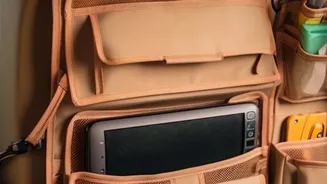
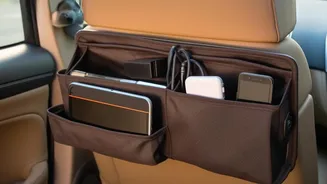
Treat your car's interior and boot as distinct organisational zones. Before you load a single item, have a plan. The heaviest items should go in first, low and centered in the boot to maintain the car's centre of gravity and safe handling. Lighter, softer items like pillows or jackets can be used to fill the gaps. Inside the car, use organisers that hang off the back of the front seats to hold tablets, books, and kids' activities. The centre console should be reserved for driver-critical items, while door pockets are perfect for things you need to grab quickly. By assigning everything a home, you prevent clutter from accumulating and ensure that your four-day trip feels spacious and comfortable from start to finish.
The Cooler is Your Best Friend
Never underestimate the power of a good cooler, even for a relatively short trip. It’s not just for keeping drinks cold. A cooler can prevent food-related messes and save you from unhealthy, expensive snacks at petrol stations. For a four-day trip, pack it with reusable water bottles, sandwiches for the first day, and healthy snacks like fruit, yoghurt, and protein bars. A smart hack is to use frozen water bottles or juice boxes as ice packs; they’ll keep everything cold and then become drinkable as they thaw. This strategy also keeps items that might melt or leak, like certain cosmetics or sunblock, safely contained and cool. Placing the cooler on the floor of the back seat can make it easily accessible for passengers.