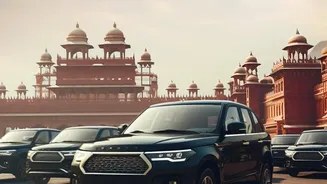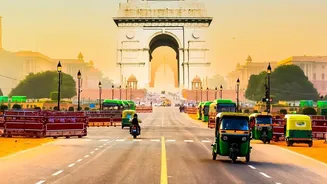






What Exactly Are These New Standards?
Bharat Stage Emission Standards (BSES) are regulations that the government implements to control air pollutants released by motor vehicles. Think of them as a progressively stricter set of rules that carmakers must follow. After the big leap from BS-IV
to BS-VI in 2020, BS-VII is the next logical step in India's fight for cleaner air. The Ministry of Road Transport and Highways has released a draft notification, inviting suggestions from the public before finalizing the rules. This proposal isn't just about exhaust fumes; it's a comprehensive plan that looks at the entire environmental footprint of a vehicle.
The Big Leap from BS-VI to BS-VII
While BS-VI was a massive jump that required cleaner fuel and major engine upgrades, BS-VII aims to build on that foundation by focusing on areas previously overlooked. A key change is the focus on non-exhaust emissions, meaning for the first time, there will be limits on particulate matter from brake pads and tyre wear. The new rules will also measure much smaller, ultrafine particles in the exhaust, down to 10 nanometres, which can penetrate deep into the lungs. Furthermore, the standards will demand tougher Real Driving Emissions (RDE) tests, ensuring vehicles meet pollution limits on actual roads, not just in a lab. For electric vehicles, new rules will govern battery durability, ensuring they maintain a certain percentage of their capacity over years of use.
A Phased Rollout Plan
The government is proposing a gradual implementation to give the industry time to adapt. The first phase is slated to begin on April 1, 2029, for new passenger cars and SUVs. Following that, light commercial vehicles like delivery vans will come under the new rules in 2030, and heavy-duty vehicles such as trucks and buses will follow suit in 2031. Additional requirements for aspects like brake particles and tyre abrasion are scheduled to be phased in through 2035. It's important to note that these new standards will apply only to vehicles manufactured after these dates and will not affect existing BS-VI vehicles on the road.
The Impact on Car Buyers and Manufacturers
For automakers, meeting BS-VII standards will require significant investment in research, new technology, and re-tooling manufacturing lines. This includes developing more advanced exhaust filtration systems, new materials for brakes and tyres, and sophisticated on-board monitoring systems to track real-time emissions. Inevitably, these costs are expected to be passed on to consumers, leading to an increase in vehicle prices, particularly for entry-level models. However, the draft norms also propose an 'Environmental Vehicle Passport', which will give buyers clear, transparent information about a car's emissions, fuel economy, and battery health, empowering them to make more informed choices.
The Ultimate Goal: Cleaner Air for India
While the prospect of more expensive cars is daunting, the primary driver behind BS-VII is public health. Vehicular pollution is a major contributor to the severe air quality crisis faced by many Indian cities. By targeting a wider range of pollutants—from ultrafine exhaust particles to brake dust—these stricter norms aim to deliver a significant improvement in air quality. The lifecycle compliance approach, which ensures a vehicle remains low-emission for up to 10 years or 200,000 kilometres, is a crucial part of this long-term vision for a healthier environment.