





The Great Indian Breakfast Misconception
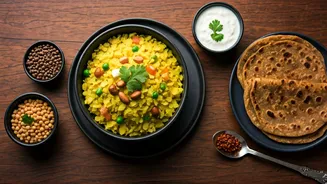
We love our traditional breakfasts, and for good reason—they’re delicious and comforting. From fluffy idlis in the South to savoury poha in the West and stuffed parathas in the North, these dishes are cultural staples. However, many of these beloved meals
are predominantly carbohydrate-heavy. While carbs provide a quick burst of energy, a breakfast lacking sufficient protein and fibre can lead to a rapid spike in blood sugar, followed by an equally rapid crash. This is the reason you might feel hungry, tired, or unfocused just a couple of hours after eating, long before lunchtime arrives. The goal isn't to abandon these dishes, but to make them work harder for you.
What 'Power' Really Means
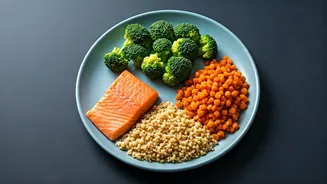
When we talk about a “powerful” breakfast, we’re not just talking about calories. We’re talking about sustained energy. The key to achieving this lies in balancing macronutrients. A powerful breakfast should be rich in protein, which promotes satiety (the feeling of fullness) and helps maintain muscle mass. It should also contain complex carbohydrates and healthy fats, which release energy slowly, and fibre, which aids digestion and helps stabilise blood sugar levels. This combination keeps you feeling full, focused, and energised all the way through to your next meal, preventing those distracting hunger pangs and energy dips.
Power-Up 1: Integrate Protein Smartly
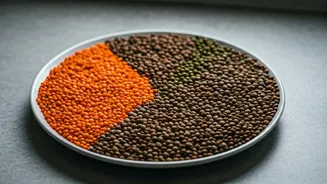
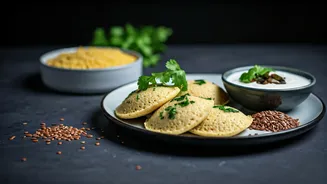
The single most effective way to add power to your breakfast is by boosting its protein content. This is surprisingly easy to do without sacrificing taste. Making poha? Toss in a handful of roasted peanuts or, even better, some sprouted moong for a crunch and a protein punch. Preparing dosa or idli? Try using a batter that incorporates different dals, like moong dal, for a cheela-style dosa that is naturally higher in protein. If upma is your go-to, add finely chopped vegetables and a scoop of cooked chana or peas. A simple side of a boiled egg or a small bowl of sprouts can instantly elevate the nutritional profile of any meal.
Power-Up 2: Befriend Paneer and Dahi
Dairy is a fantastic and accessible source of high-quality protein. Instead of a plain aloo paratha, switch to a paneer-stuffed paratha. The protein from the cottage cheese will keep you fuller for much longer. Scrambled eggs are great, but have you tried paneer bhurji? It’s a delicious, high-protein alternative that pairs perfectly with whole-wheat toast. Another simple trick is to add a bowl of dahi (yogurt) to your breakfast. It’s packed with protein and probiotics, aiding both satiety and gut health. A bowl of dahi alongside your poha or upma can make a world of difference.
Power-Up 3: Add Healthy Fats with Nuts and Seeds
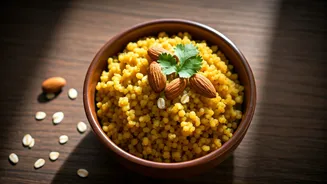
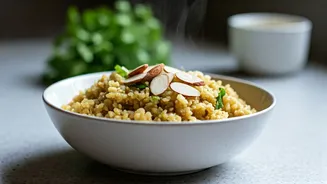
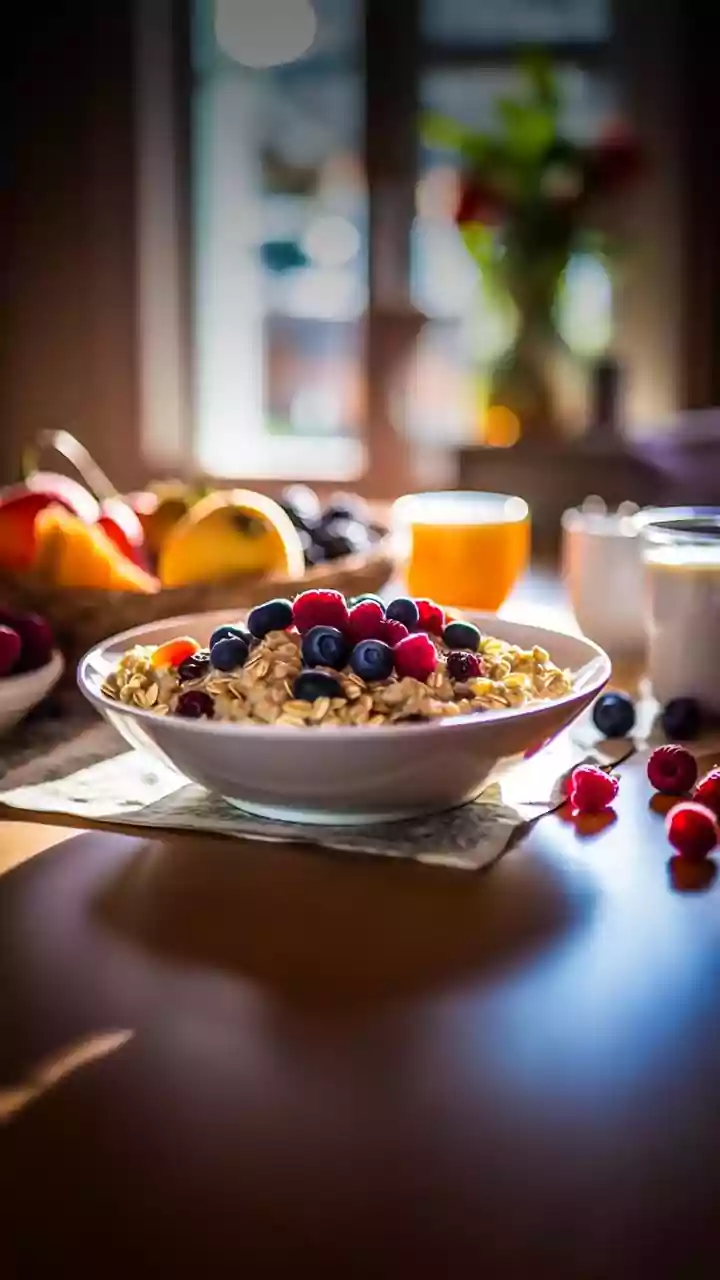
Healthy fats are crucial for brain function and providing long-lasting energy. They are also incredibly easy to incorporate into your morning routine. A small handful of almonds or walnuts eaten alongside your breakfast provides protein, fibre, and omega-3 fatty acids. You can also sprinkle a tablespoon of seeds—like chia, flax, or pumpkin seeds—over your oatmeal, dahi, or even on top of your upma. They add a pleasant texture and a concentrated dose of nutrients without altering the fundamental taste of your favourite dish. This simple addition helps slow down digestion, keeping you satisfied and preventing energy spikes.
Power-Up 4: Choose Your Carbs Wisely
This isn’t about eliminating carbs, but about choosing better ones. Simple carbs from white bread or highly processed grains are digested quickly. Instead, opt for complex carbohydrates found in whole grains. Switch from white bread to whole-wheat or multigrain bread. When making parathas or rotis, use whole-wheat atta. Better yet, experiment with other flours like ragi (finger millet) or jowar (sorghum), which are rich in fibre and nutrients. These small swaps ensure you still get the energy you need, but it's released slowly and steadily, preventing the dreaded post-breakfast slump.