





The Foundation: Gentle Hatha Yoga
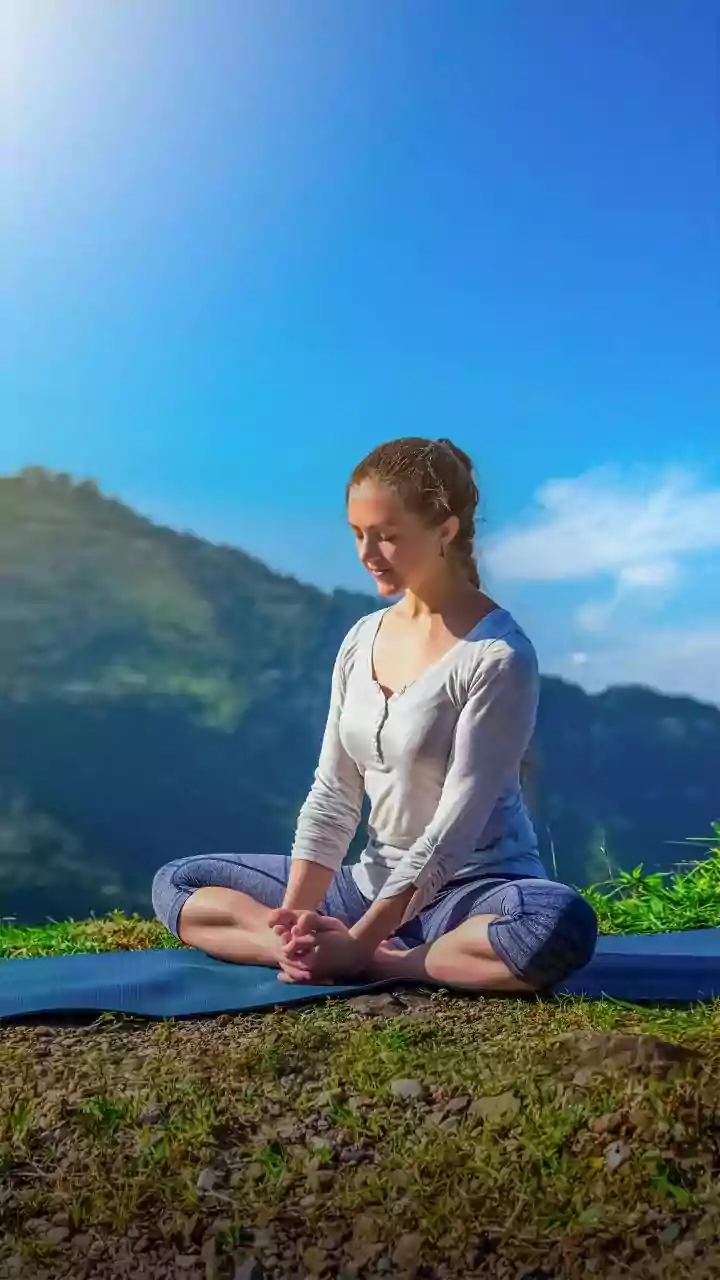
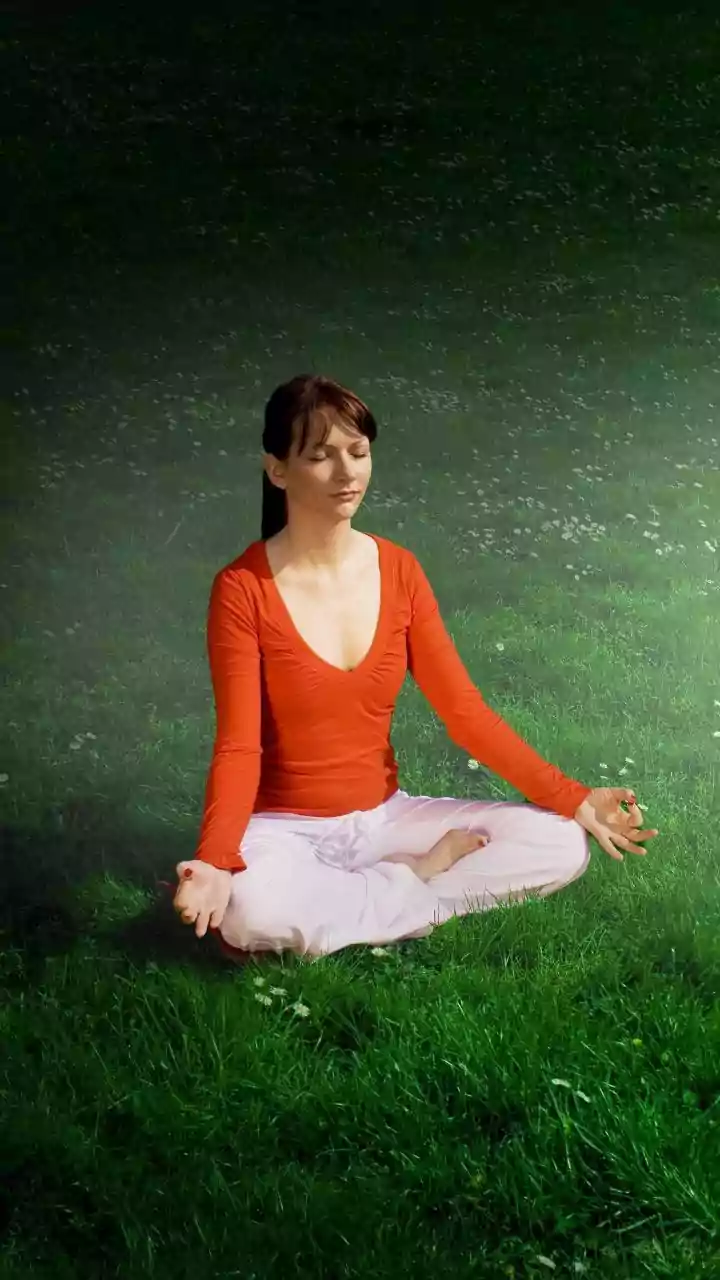
When we think of yoga for stress, the specific style matters. Hatha yoga is often called the ‘yoga of force’ but is widely practised today as a gentler, more foundational form of physical yoga. Unlike fast-paced Vinyasa flows, Hatha focuses on holding
basic postures (asanas) for several breaths. This slower pace is key to its stress-reducing power. By holding a pose like a simple forward fold or a gentle twist, you give your nervous system time to respond. Your focus shifts from external worries to internal sensations: the stretch in your muscles, the rhythm of your breath. This practice directly stimulates the parasympathetic nervous system, our body's ‘rest and digest’ mode. It works to lower heart rate, reduce blood pressure, and decrease levels of cortisol, the primary stress hormone. It’s not about achieving a perfect pose; it’s about using the posture as a tool to anchor your awareness in the present moment.
The Auditory Element: Calming Nature Sounds
Our ears are a direct pathway to our nervous system. A blaring horn immediately triggers a fight-or-flight response, while the sound of gentle rain can be deeply soothing. This is the principle behind using nature sounds in a stress-management practice. Research in eco-acoustics and biophilia—our innate tendency to connect with nature—shows that natural soundscapes can decrease anxiety and improve mood. Sounds like flowing water, rustling leaves, birdsong, or ocean waves often have a pattern of gentle, non-threatening variation that our brains find calming. When you integrate these sounds into your yoga practice, you're creating an immersive environment. This auditory layer helps to drown out distracting thoughts and the internal chatter that often fuels anxiety, allowing you to sink deeper into a state of relaxation. You can use a sound machine, a mobile app, or simply a high-quality recording of your favourite natural environment.
The Power of Sequencing
While Hatha yoga and nature sounds are powerful on their own, their true magic is unlocked when they are combined into a deliberate sequence. A sequence is more than just a random collection of activities; it’s a ritual that signals to your mind and body that it’s time to unwind. By consistently following a specific order, you create a conditioned response. Over time, simply starting the sequence—turning on your nature sounds and unrolling your mat—can begin to trigger a relaxation response before you’ve even done a single pose. The sequence provides structure, which can be incredibly grounding when you feel overwhelmed. It eliminates the mental load of deciding 'what to do next,' freeing up your cognitive resources to focus entirely on the practice itself. This transforms your stress management from a chore into a cherished, restorative ritual.
Creating Your Simple Stress-Relief Sequence
You don’t need a fancy studio or an instructor to begin. You can create your own 15-minute sanctuary at home. 1. Set the Scene (2 minutes): Find a quiet space. Dim the lights and turn on your chosen nature sounds. Sit comfortably, close your eyes, and take a few deep breaths, simply listening to the sounds and allowing your mind to settle. 2. Gentle Warm-up (5 minutes): Begin with simple movements. Try gentle neck rolls, shoulder shrugs, and Cat-Cow stretches (Marjaryasana-Bitilasana) to release tension from the spine. Sync each movement with your breath—inhaling as you arch your back, exhaling as you round it. 3. Core Poses (6 minutes): Move into a few foundational Hatha poses. Hold each for 5-8 breaths. Good options include Child’s Pose (Balasana) for grounding, Bridge Pose (Setu Bandhasana) to gently open the chest, and Legs-Up-The-Wall Pose (Viparita Karani) to promote circulation and deep relaxation. 4. Final Rest (2 minutes): End in Savasana (Corpse Pose), lying flat on your back with your palms facing up. Let the sounds wash over you and allow your body to absorb the benefits of the practice. Do nothing but rest.