






Beyond the Checklist Itinerary
The classic North-East tour, while beautiful, often treated the region like a checklist. See a one-horned rhino, visit a famous waterfall, and pose at a high-altitude pass. While these landmarks are iconic for a reason, today's traveller is increasingly
looking for depth over distance. There's a growing fatigue with crowded tourist spots and a hunger for authentic connection. The desire is no longer just to see the North-East, but to understand it. This shift in mindset is transforming the region from a collection of destinations into a web of immersive experiences, driven by a new generation of explorers who prioritise cultural immersion and genuine adventure over a hurried highlights reel.
The Rise of Community-Led Journeys
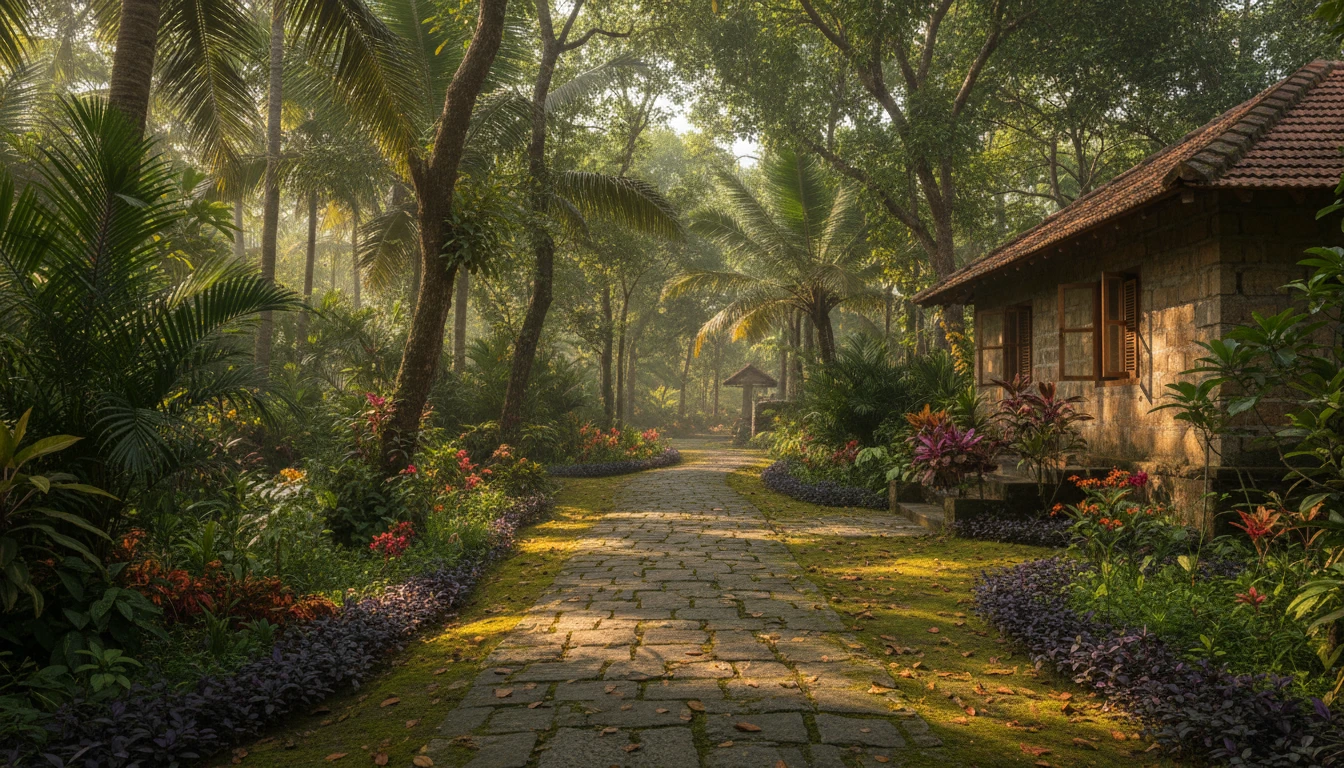
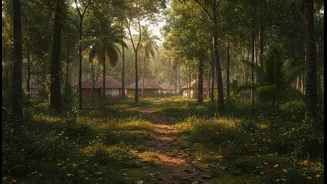
At the heart of this transformation are community-led tourism and the homestay revolution. States like Sikkim and Meghalaya are leading the charge. Sikkim, for instance, has actively promoted homestay development, with over a thousand families opening their homes to travellers. These aren't just budget accommodations; they are gateways to local culture. Staying in a homestay in a village like Nagaland's Khonoma or Arunachal's Thembang means sharing meals with a local family, learning about their traditions firsthand, and contributing directly to the village economy. This model replaces the passive sightseeing of a traditional hotel stay with active participation, creating a more meaningful and sustainable exchange between visitors and hosts. The focus is shifting from what you see to who you meet.
Exploring the Untrodden Paths
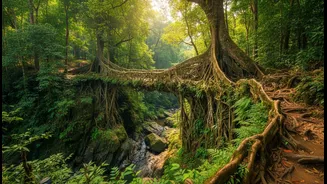
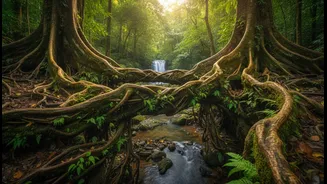
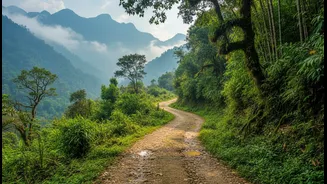
So, where are these deeper routes? In Arunachal Pradesh, instead of just driving to Tawang, travellers are exploring circuits like the one to Mechuka, a stunning valley accessible via a journey that is an adventure in itself, or heading to the remote Anini in the Dibang Valley. In Meghalaya, adventurers are going beyond the living root bridges of Cherrapunji to explore river canyons like Wari Chora or the community-run adventure activities in Mawlyngbna. Manipur's Loktak Lake, with its unique floating islands or 'phumdis', offers a glimpse into a unique ecosystem and way of life. These are not just places on a map; they are entire ecosystems of culture, nature, and community that reward the slow, curious traveller.
Why This Shift is Happening Now
Several forces are driving this trend. A major factor is improved infrastructure. Better roads and increased air connectivity under government schemes have made previously inaccessible areas reachable. Furthermore, government policies are actively encouraging this shift. The Swadesh Darshan 2.0 scheme focuses on developing sustainable and responsible tourism destinations rather than just building infrastructure. State-level initiatives in Arunachal Pradesh, Meghalaya, and Sikkim are specifically designed to promote eco-tourism, adventure circuits, and community-based projects. Combined with the post-pandemic desire for uncrowded, meaningful travel, the conditions are perfect for this new chapter in North-East tourism to unfold.
A More Sustainable Future for Travel
This move towards deeper regional routes is more than just a trend; it represents a more sustainable and equitable model for tourism. By spreading visitors across a wider area, it reduces the environmental and social pressure on famous hotspots like Shillong and Kaziranga. It ensures that tourism revenue flows directly into the hands of remote and tribal communities, creating livelihoods and incentivising the preservation of both natural landscapes and cultural heritage. For the traveller, it offers an unfiltered, enriching experience. For the North-East, it promises a future where tourism supports, rather than supplants, the region’s unique identity.