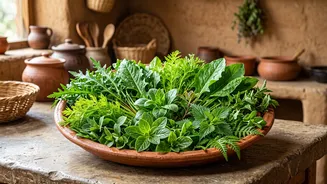


Beyond the cultivated vegetables in our markets lies a world of flavour and nutrition. In Central India, indigenous communities have long relied on wild edible greens that offer vibrant tastes and a wealth of health-protective antioxidants.
An Uncultivated Pharmacy
In the forests,
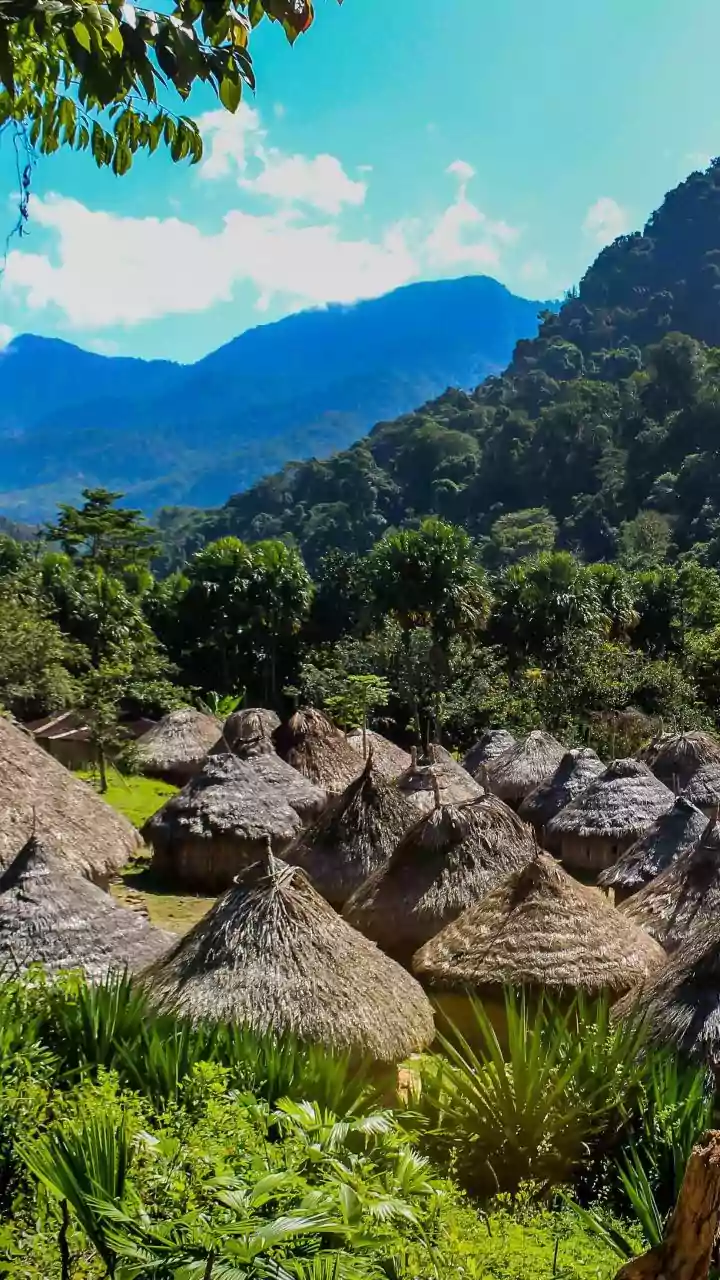
fields, and even overlooked patches of land across Central India, a quiet culinary revolution unfolds with the changing seasons. For generations, tribal communities here have foraged for wild edible plants, or 'ran bhaji', which form a critical part of their diet and traditional medicine. These are not commercially grown crops but resilient plants that thrive on their own, offering a bounty of nutrients exactly when they are needed most. This ancestral knowledge of what to pick, when to pick it, and how to prepare it, represents a deep connection to the environment—a food system that is sustainable, local, and incredibly diverse. These greens are often more nutrient-dense than their cultivated counterparts, packing essential micronutrients, fibre, and bioactive compounds.
The Winter Powerhouse: Bathua
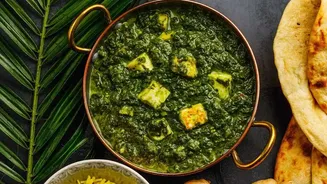
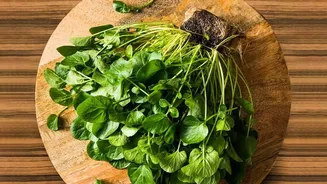
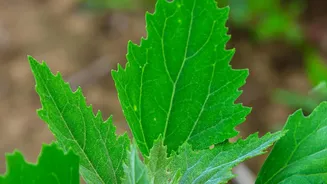
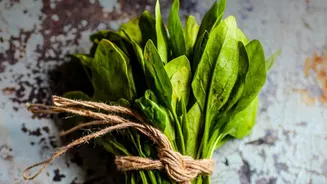
One of the most well-known wild greens is Bathua (Chenopodium album), which appears as winter sets in. Often found growing wild in wheat fields, this leafy green has a complex, slightly earthy flavour. It is a nutritional giant, rich in minerals like calcium, potassium, and iron, as well as vitamins A and C. Traditionally, Bathua is used in a variety of dishes that make the most of its robust character. It is commonly boiled and mashed to be mixed into dough for flavourful parathas and rotis, or blended with yoghurt to create a cooling raita. Ayurvedic traditions recognise it as a heart tonic and blood purifier. Its powerhouse status comes from its high concentration of antioxidants and amino acids, which are crucial for cell repair and overall health.
Monsoon's Bitter Marvel: Chakod
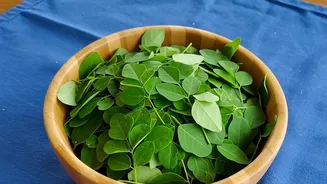
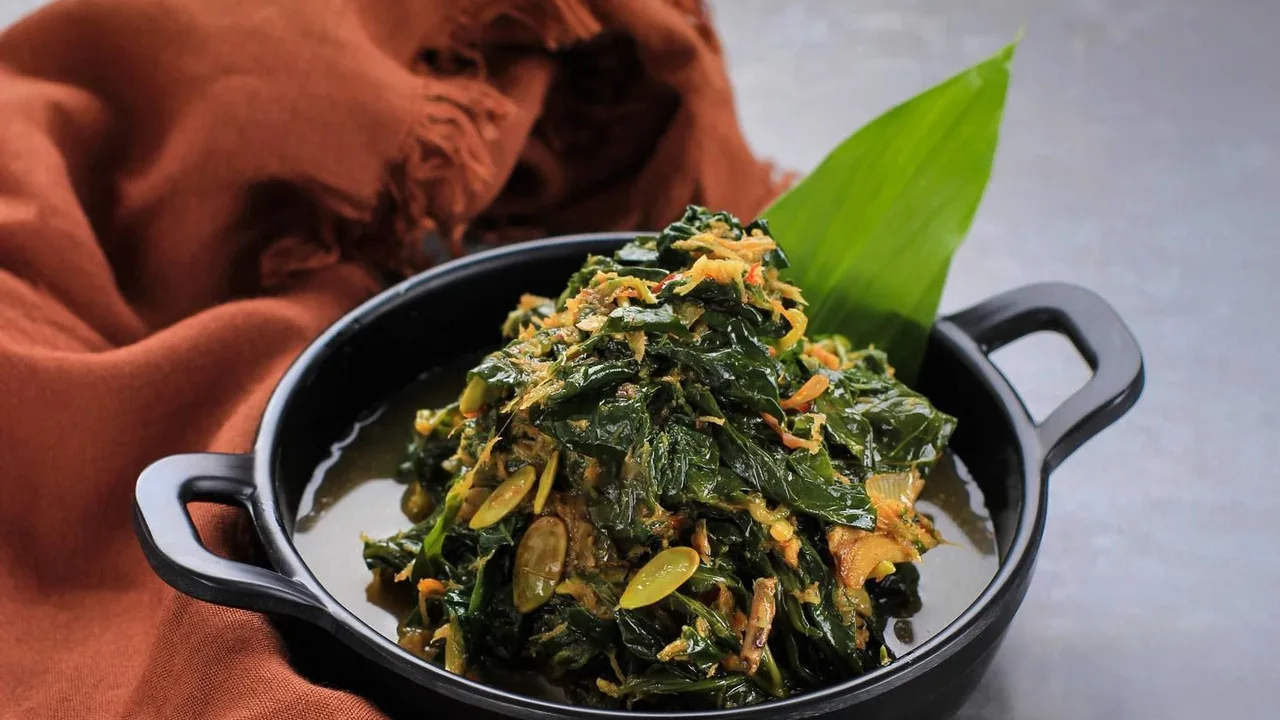
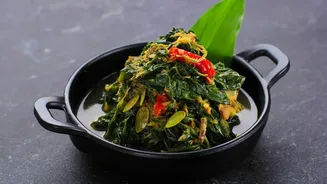
With the arrival of the monsoon, another treasure emerges: Chakod or Chakramarda (Cassia tora). This plant, often seen growing along roadsides and in wastelands, is a staple during the rainy season. Its leaves have a distinctly bitter taste, a flavour profile often associated with medicinal properties in traditional food systems. In Ayurveda, it is used to treat a range of ailments, from skin diseases to digestive issues. The bitterness is a clue to its potent phytochemical composition, which includes flavonoids and anthraquinones. These compounds are responsible for its powerful antioxidant and anti-inflammatory effects. Tribal communities often prepare it as a simple 'bhaji' or stir-fry, sometimes combined with lentils to balance the bitterness, turning this humble weed into a delicious and cleansing meal.
The Colour of Health: Chaulai
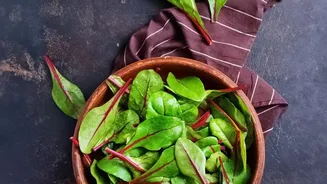
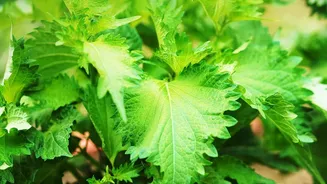
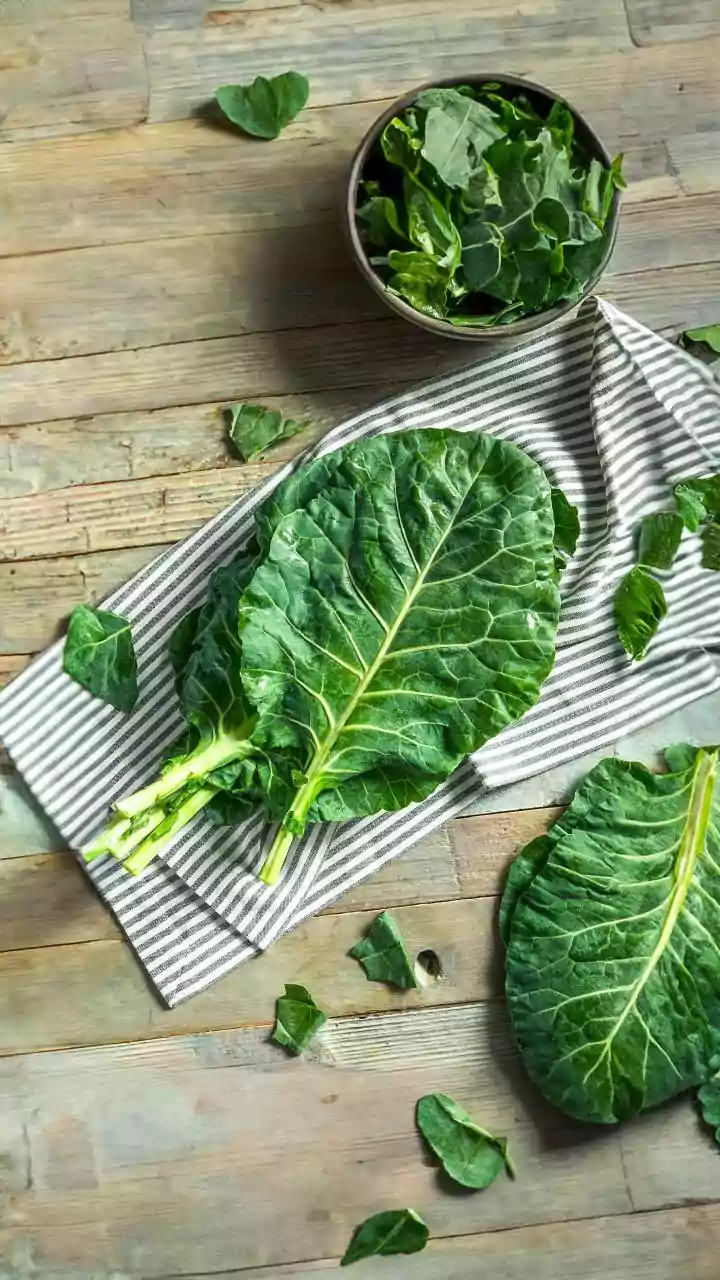
Amaranth, known locally as Chaulai or Rajgira, is another versatile green available in various forms across India. While some varieties are cultivated, many grow wild. The leaves, which come in shades of green and vibrant red, are a visual indicator of their nutritional content. The pigments in red Chaulai are rich in anthocyanins, a type of flavonoid with strong antioxidant properties. Amaranth leaves are an excellent source of protein, vitamins A and C, calcium, and iron. Their flavour is mild and spinach-like, making them easy to incorporate into saag, dals, and stir-fries. The link between the colour of a plant and its health benefits is a key aspect of traditional wisdom, now validated by science, which shows these pigments play a role in protecting the body from cellular damage.
What are Bioactive Antioxidants?
So, what exactly are these 'bioactive antioxidants' that make these greens so special? Antioxidants are molecules that fight free radicals in the body—unstable compounds that can cause cellular damage, leading to inflammation and chronic diseases. 'Bioactive' simply means these compounds have a tangible effect on living tissue. Wild greens are packed with these protective substances, such as flavonoids, phenolics, and carotenoids. Traditional diets, built around eating a variety of these seasonal greens, naturally provided a wide spectrum of these compounds. This dietary pattern offered a shield against oxidative stress, long before the term was coined by modern science, showcasing the profound wisdom embedded in indigenous food cultures.