


The Daily Discard Dilemma
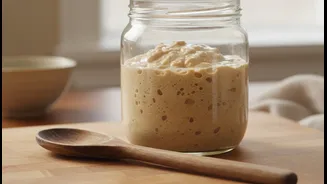
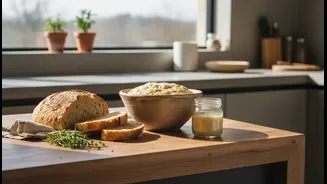
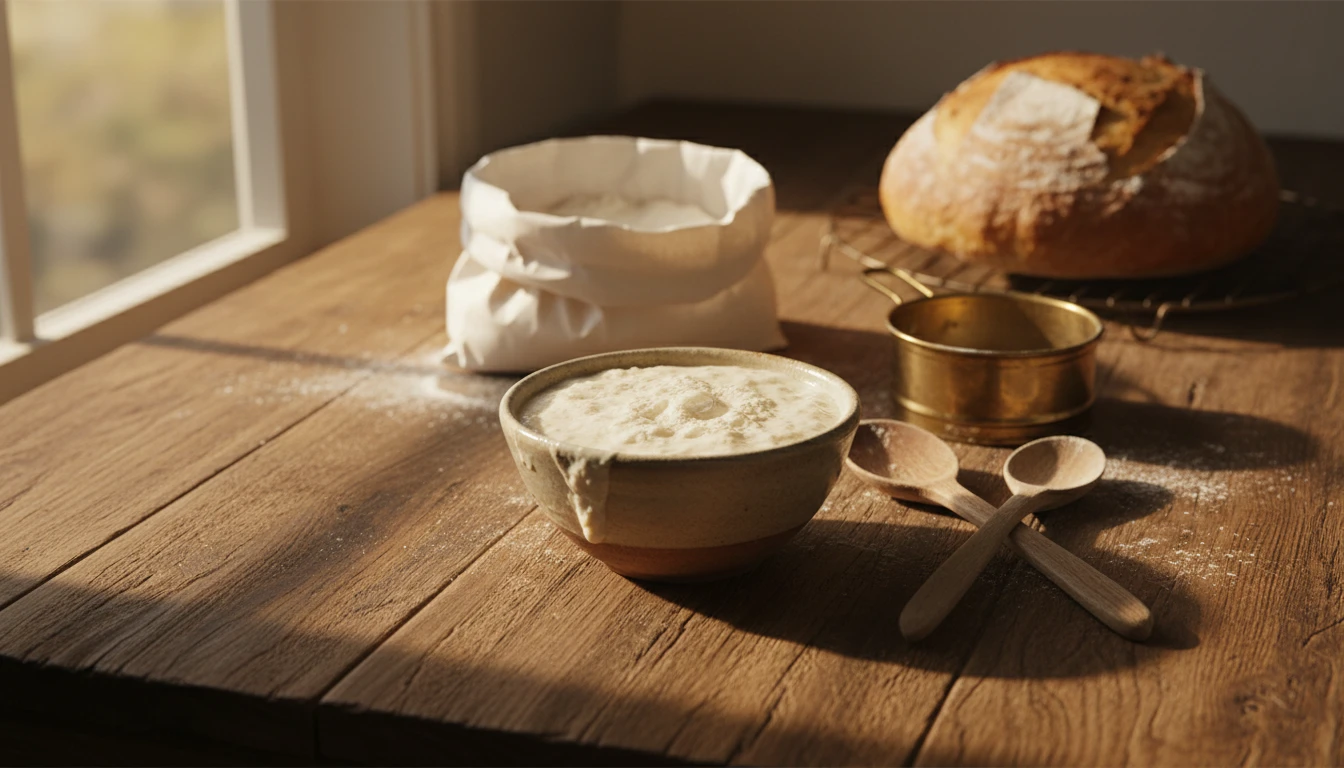
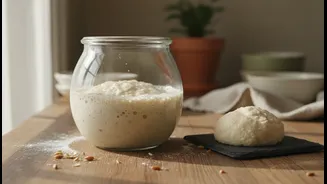
Sourdough starter is a living culture of wild yeast and bacteria that requires regular 'feedings' of fresh flour and water to stay healthy and active. To manage its growth and maintain the right balance of microorganisms, bakers must remove a portion
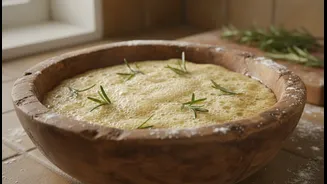
before each feeding. This removed portion is commonly known as 'discard'. While the name suggests it's waste, it's really just unfed starter—a simple, flavourful mix of flour and water. The practice of discarding prevents the starter from becoming too large and overly acidic, which would weaken its ability to leaven bread. However, for bakers conscious of food waste, tossing out this byproduct daily can feel counterintuitive, sparking a search for better solutions.
A Challenge, Not a Chore
Instead of viewing discard as a problem, bakers are reframing it as a creative opportunity. This mindset has given rise to an informal 'food waste challenge' in kitchens everywhere, with home cooks and professionals alike aiming to put every last bit of their starter to good use. The goal is to transform what was once compost into a versatile, flavour-enhancing ingredient. This shift encourages experimentation and sharing, with countless recipes and ideas circulating online. The discard, which has a tangy flavour from fermentation, can add a unique depth to a wide range of dishes that don't rely on it for leavening. It's a challenge that turns a routine maintenance task into a moment of culinary invention.
Breakfast Reimagined
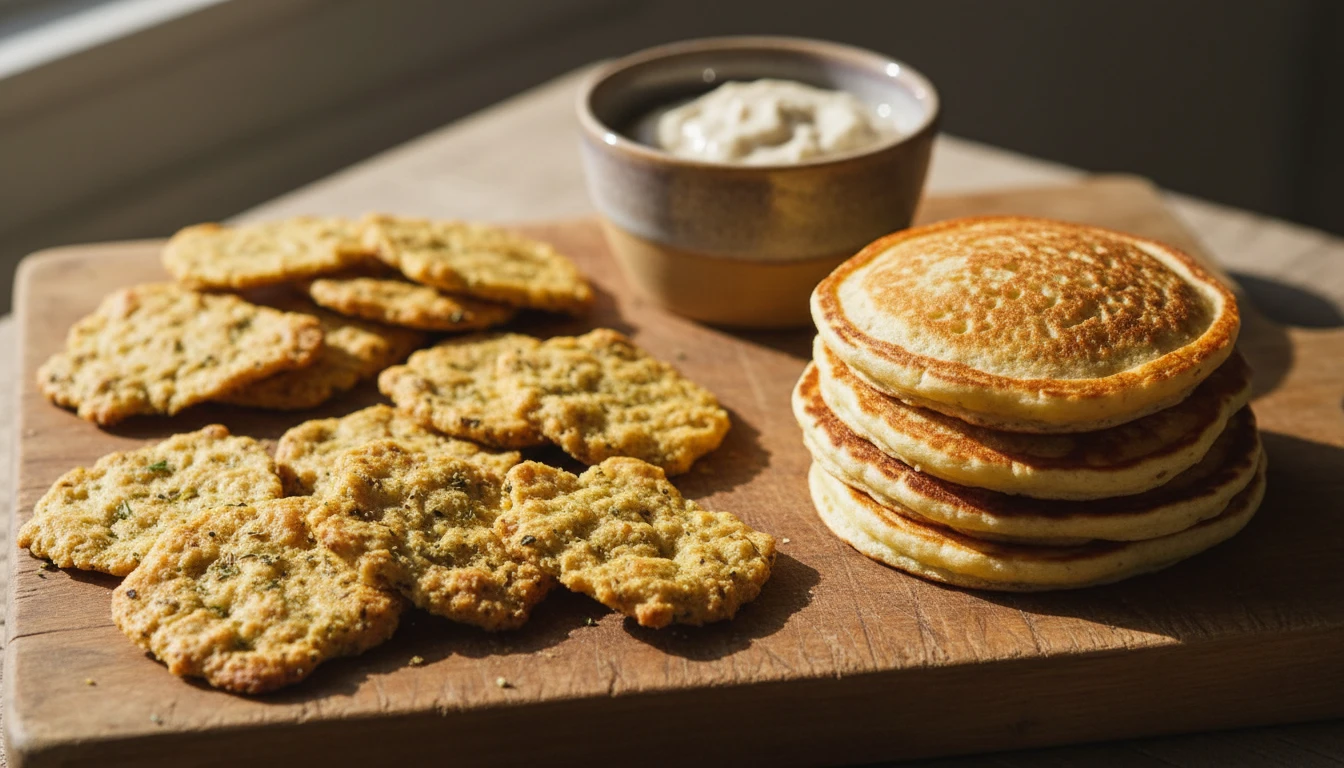
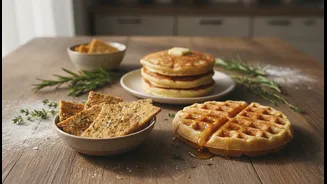
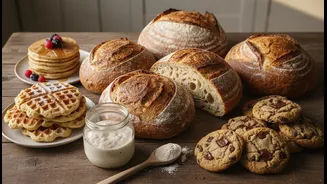
Perhaps the most popular use for sourdough discard is in breakfast foods. Because the discard is not potent enough to make bread rise on its own, it pairs perfectly with recipes that use chemical leaveners like baking powder or soda. This makes it an ideal addition to pancakes and waffles. Adding discard to the batter imparts a subtle, pleasant tang that elevates them beyond a standard recipe, creating a flavour profile reminiscent of a high-end brunch. The process is simple: just incorporate the discard with the other wet ingredients. Muffins, biscuits, and scones are also excellent vehicles for using up leftover starter, gaining a richer taste and tender texture.
Savory Snacks and Crispy Crusts
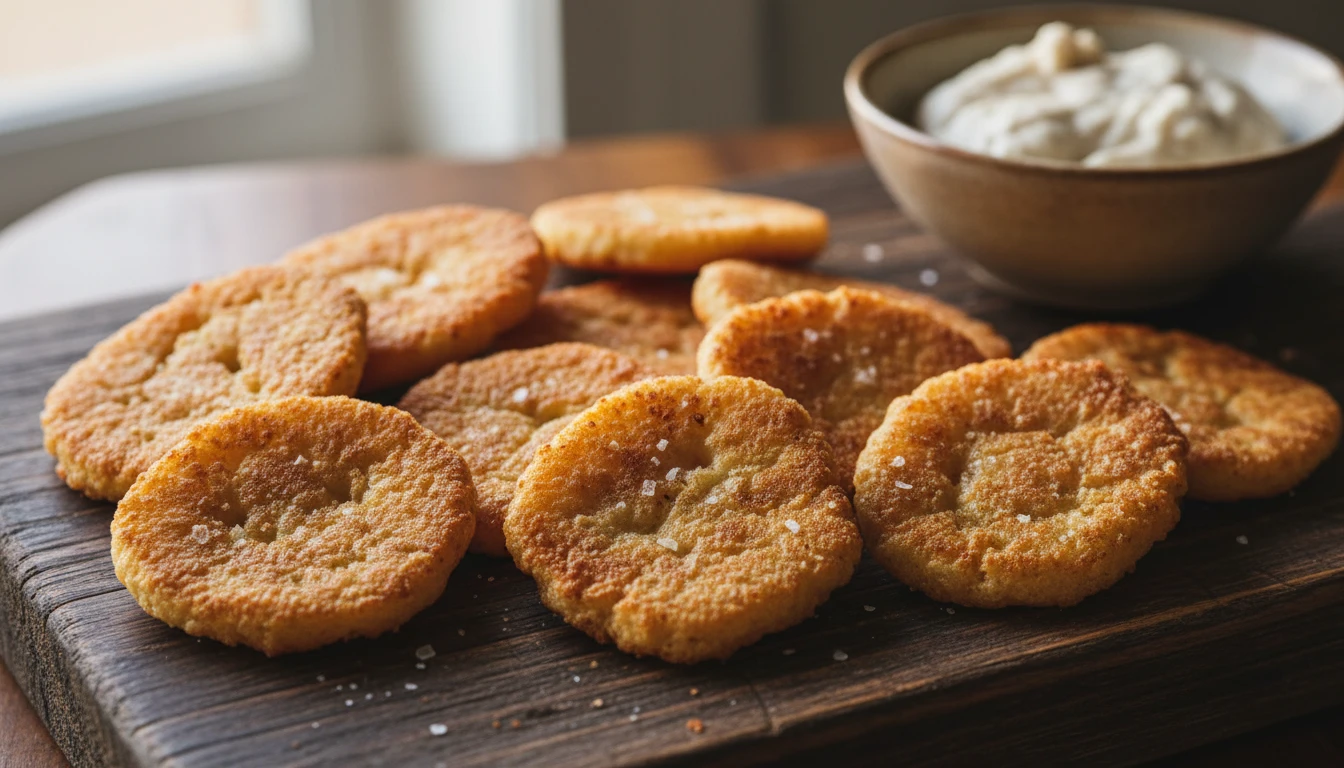
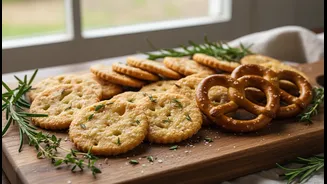
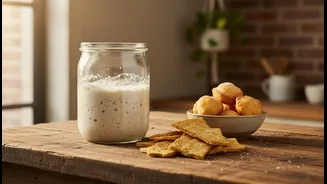
The savory applications for sourdough discard are just as extensive. One of the easiest and most satisfying recipes is for crackers. By simply mixing discard with a bit of fat, flour, and seasonings, you can roll out and bake thin, crispy crackers perfect for snacking. It's also a fantastic addition to pizza dough, where it contributes to a flavourful, chewy crust without needing a long fermentation time. Other bakers are getting even more creative, using discard to make homemade pasta, tortillas, and even onion ring batter, proving its versatility in the kitchen.
Unexpected Sweet Treats
While tangy notes might seem out of place in dessert, sourdough discard adds a surprising complexity to sweet baked goods. It can balance sweetness and enhance other flavours, particularly chocolate. Fudgy sourdough brownies are a popular choice, with the discard contributing to a moist texture and rich taste. Similarly, it can be incorporated into chocolate chip cookies, cakes, and even pie crusts. The acidity of the starter works much like buttermilk, creating a tender crumb in cakes and muffins. From banana bread to chocolate cake, the discard proves it has a place across the entire baking spectrum.