







The King's Annual Return
For Americans, seasonal culinary shifts might mean pumpkin spice lattes in the fall or barbecue in the summer. In India, this concept is taken to a fever pitch with the arrival of the mango. From late March through July, the country is gripped by mango mania.
Street carts overflow with pyramids of green, yellow, and blush-pink fruit. Markets become fragrant arenas where shoppers passionately debate the merits of different varieties—the perfumed Alphonso, the sweet Kesar, the tangy Totapuri. It's a time of collective joy and anticipation. Known colloquially and reverently as the 'King of Fruits,' the mango’s return is less a harvest and more a national event. Families send boxes to relatives across the country, and the first mango of the season is often eaten with a sense of ceremony. This annual obsession isn't just about a tasty fruit; it's a cultural touchstone that signals the peak of summer, a time for indulgence before the monsoon rains arrive.
A Taste of Nostalgia
The mango’s grip on the Indian psyche is deeply rooted in nostalgia. For millions, the taste is inextricably linked to childhood memories: of climbing trees to pluck the fruit, of grandmothers carefully slicing mangoes for an after-school snack, or of stained fingers and faces from slurping the sweet juice directly from the source. This emotional connection elevates the fruit from mere produce to a cherished symbol of home and family. Consequently, when mangoes are in season, they don't just supplement the menu; they become the menu. Every part of a meal can feature mango, from savory raw mango pickles (achar) and tangy chutneys to the glorious, sweet finales that define the season. Kitchens transform into dessert laboratories where generations-old recipes are brought out and given their time to shine.
The Golden Elixir: Aamras
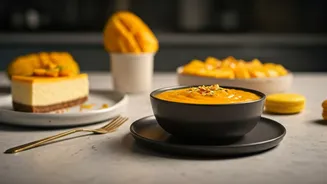
If there is one dish that embodies the soul of mango season, it is Aamras. The name literally translates to 'mango essence,' and the dish is deceptively simple: the pure, unadulterated pulp of ripe mangoes, blended into a silky, golden puree. While some add a touch of cardamom, saffron, or ginger, purists insist on nothing but the fruit itself. Aamras is not just a dessert; it's a meal. Traditionally served in western states like Gujarat and Maharashtra, it’s scooped up with hot, puffy fried bread called 'puri.' The contrast between the warm, savory puri and the cool, intensely sweet mango pulp is a textural and flavorful experience that is nothing short of sublime. It’s a dish that requires no complex culinary skill, only the patience to wait for the perfect mangoes to arrive.
Chilled Kulfi and Creamy Lassi
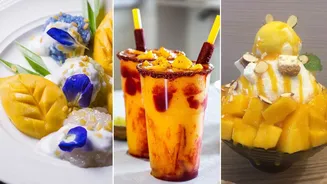
Beyond the classic pulp, the mango’s versatility shines in a host of other beloved desserts. Mango Kulfi is India’s answer to ice cream, but denser, creamier, and slower to melt. Made by simmering milk for hours until it reduces and caramelizes, then adding mango puree and freezing it in conical molds, kulfi offers a concentrated burst of milky, fruity flavor. On a hot afternoon, there is little more refreshing. Equally popular is the Mango Lassi, a fixture in Indian restaurants worldwide that becomes a daily staple during the summer in India. This smoothie-like drink blends thick yogurt, sweet mango, and a little sugar into a rich, cooling beverage that serves as both a dessert and a thirst-quencher. It’s the simplest way to drink your mangoes, offering instant relief from the sweltering heat.
Modern Twists on a Timeless Classic
While traditional recipes hold a sacred place, the mango craze also fuels modern culinary innovation. In cities like Mumbai and Delhi, bakeries and high-end restaurants roll out entire mango-themed menus. You’ll find delicate mango cheesecakes, airy mango mousses, sophisticated tarts with mango curd, and even mango-infused cocktails. Home cooks on Instagram and YouTube share recipes for no-bake mango pies and mango tiramisu, blending global techniques with India’s favorite fruit. This creative wave doesn't replace tradition but runs alongside it, proving the king’s reign is adaptable. It shows that while the classic Aamras-Puri will never be dethroned, there's always room for another sweet tribute to the mango.