






From Sightseeing to Soul-Searching
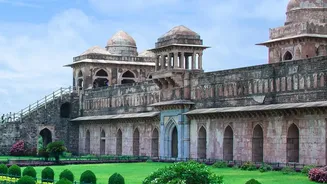
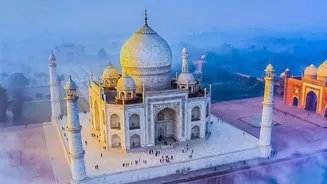
For decades, Indian tourism was largely defined by cultural sightseeing—the majestic forts of Rajasthan, the iconic Taj Mahal, and the vibrant landscapes of the Golden Triangle. While these destinations remain popular, a significant shift is underway.
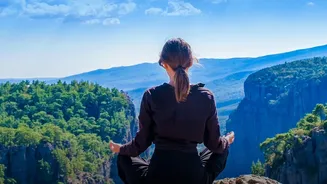
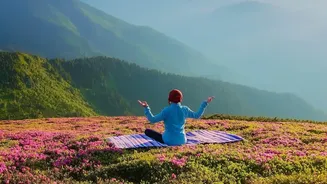
Today’s travellers, both domestic and international, are increasingly seeking more than just a photo opportunity. They are looking for transformative experiences that heal, rejuvenate, and connect them to something deeper. This has given rise to two powerful, interconnected trends: wellness tourism and spiritual journeys. This evolution marks a maturing of the industry, where the country’s ancient heritage of healing and philosophy is becoming its most compelling modern attraction.
The Burgeoning Wellness Economy
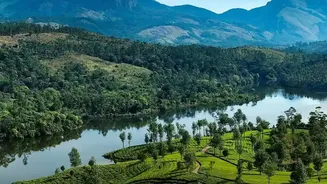
Wellness tourism is no longer a niche market; it is a booming industry. Driven by post-pandemic health consciousness and the stresses of modern life, people are actively seeking holidays that focus on well-being. India, with its 5,000-year-old traditions of Ayurveda, yoga, and naturopathy, is uniquely positioned to meet this demand. The Indian wellness tourism market is experiencing explosive growth, with some reports projecting it to be valued at over USD 80 billion by 2030. States like Kerala, with its world-renowned Ayurvedic resorts, and Uttarakhand, home to Rishikesh, the 'Yoga Capital of the World', are at the forefront of this movement. These destinations offer everything from intensive 'panchakarma' detox programmes to serene yoga and meditation retreats.
A Government-Backed Push
Recognising this immense potential, the Indian government has been actively promoting the country as a premier wellness destination. The Ministry of Ayush and the Ministry of Tourism have formulated a National Strategy for Medical and Wellness Tourism. A key initiative is the 'Heal in India' campaign, which aims to promote India as a global hub for medical and wellness travel. To facilitate this, a special 'Ayush Visa' was introduced for foreign nationals seeking treatment under traditional Indian systems of medicine. These policies, combined with collaborations between government bodies like the India Tourism Development Corporation (ITDC) and the Ministry of Ayush, are creating a robust ecosystem to support the sector's growth.
The Modern Pilgrim's Progress
Parallel to the rise of wellness, spiritual tourism is also undergoing a significant transformation. It's expanding beyond traditional religious pilgrimages to include a broader quest for meaning and inner peace. While major pilgrimage sites continue to attract massive crowds, there is a growing interest in more personal spiritual journeys. This includes stays at ashrams, silent meditation courses, and visits to philosophical centres. The market for faith-based tourism in India was estimated at over USD 17 billion in 2026 and is projected to grow substantially. This growth is also seeing a 'premiumisation' of spiritual travel, with improved connectivity and luxury hospitality options emerging around key religious sites, making these journeys more accessible and comfortable.
What's Driving the Demand?
Several factors are fuelling this shift. Globally, there is a growing weariness with digital overload and a desire for 'digital detox' experiences, which many wellness retreats now offer. The COVID-19 pandemic, in particular, heightened awareness of mental and physical health, prompting many to prioritise well-being. For a younger generation of Indians, travel is increasingly about exploration and personal growth. Furthermore, as travellers become more conscious of their impact, the slower, more mindful pace of wellness and spiritual travel aligns with a desire for sustainable tourism. This confluence of trends is not just changing where people go, but why they travel in the first place.