






What Exactly Is a Clay Wash?
Think of a clay wash, or clay plaster, as a cousin to traditional paint, but with ancient roots and a modern, eco-conscious heart. Unlike acrylic or latex paints, which create a synthetic film on your walls, a clay wash is made from natural materials:
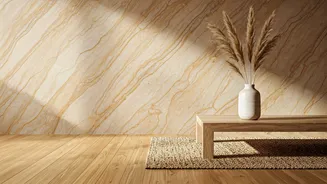
clay, mineral pigments, and sometimes sand or marble dust for texture. It’s a finish that has been used for centuries across cultures, including in traditional Indian homes, prized for its earthy aesthetic and practical benefits. When applied, it doesn't form a plastic-like barrier. Instead, it creates a breathable, micro-textured surface that feels organic and deeply connected to nature. The result is a soft, matte finish that subtly changes with the light, adding a layer of depth and character that standard paint simply cannot replicate.
The Eco-Friendly Advantage
One of the most compelling reasons to choose a clay-based finish is its minimal environmental footprint. These washes are typically free from Volatile Organic Compounds (VOCs), the harmful chemicals found in many conventional paints that are released into the air long after the paint has dried. This makes them an excellent choice for improving indoor air quality. The ingredients are sourced directly from the earth and are biodegradable, meaning they can return to the environment without causing harm. By opting for a clay wash, you are choosing a product that is not only beautiful but also aligns with a more sustainable and responsible way of living. It’s a small change in your home that contributes to a larger, positive impact on the planet.
A Healthier Environment for Rest
Your bedroom should be a sanctuary for rest and rejuvenation, and the materials you use play a crucial role in creating that atmosphere. Because clay washes are breathable, they can help regulate humidity levels in a room. They absorb excess moisture from the air when it's humid and release it back when the air is dry. This natural climate control can contribute to a more comfortable sleeping environment and may help reduce the likelihood of mould and mildew growth. Furthermore, the absence of toxic chemicals and synthetic materials means you’re not breathing in harmful off-gassing fumes while you sleep. It's a simple switch that fosters a healthier indoor ecosystem, turning your bedroom into a true haven of well-being.
Embracing Warmth and Imperfect Texture
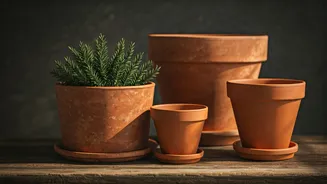
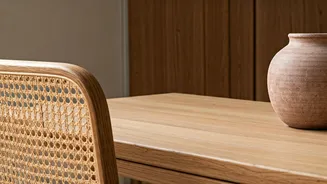
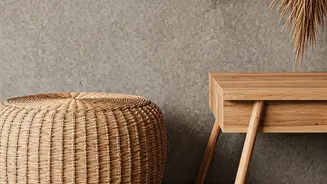
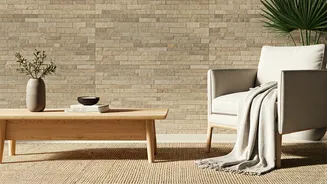
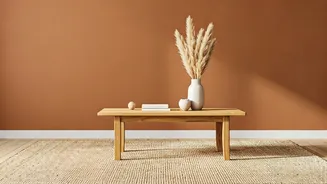
The aesthetic appeal of a terracotta clay wash lies in its unique texture. It’s not a perfectly uniform, flat surface; instead, it has a subtle, tactile quality that adds warmth and dimension to a room. This gentle imperfection connects with design philosophies like Wabi-Sabi, which finds beauty in the authentic and incomplete. The finish absorbs light rather than reflecting it, creating a soft, velvety look that feels calming and intimate—ideal for a bedroom. The application process itself, often done with a trowel or a special brush, leaves behind subtle variations and movements on the wall, making each surface a unique work of art. This textured backdrop makes furniture and decor pop, adding a sophisticated, artisanal feel to your space.
Finding Your Perfect Terracotta Shade
The word “terracotta” might bring to mind a single, classic reddish-brown hue, but the world of clay washes is far richer. These finishes come in a stunning spectrum of earthy tones, from pale, dusty pinks and soft beiges to deep, burnt oranges and rich, chocolatey browns. The final colour is derived from natural mineral pigments, giving the shades an inherent depth and complexity. For a bedroom, you might opt for a muted, rosy terracotta to create a serene and nurturing feel, or a deeper, earthy red for a cozy, enveloping ambiance. When choosing a colour, consider getting a few samples to see how they look in your room at different times of the day, as the natural pigments interact beautifully with changing light.
Application, Care, and Considerations
While some experienced DIY enthusiasts may be able to tackle applying a clay wash, it often requires a different technique than painting. The application is typically done with a trowel, and achieving a consistent yet beautifully imperfect finish can be an art form. For best results, especially on a large project like a bedroom, it's often wise to hire a professional skilled in applying natural plasters. In terms of durability, clay finishes are quite robust but are not as scrubbable as modern plastic-based paints. Minor scuffs can often be repaired easily with a small amount of leftover material. This type of wall is best suited for low-traffic areas like bedrooms, where its beauty and health benefits can be fully appreciated without the wear and tear of a busy hallway.