

Silky Orange Panna Cotta
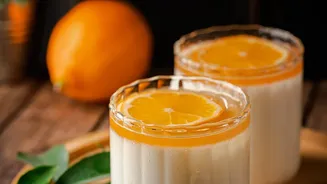
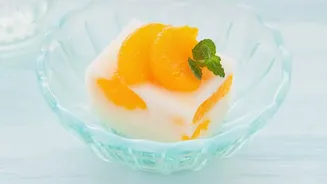
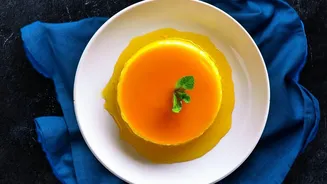
Panna Cotta, which translates to 'cooked cream' in Italian, is an elegant and deceptively simple dessert. An orange-infused version elevates this classic with a bright, citrusy perfume. The process typically involves simmering cream, sugar, and fresh
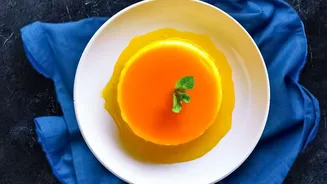
orange peel to infuse the mixture with flavour. A setting agent like gelatin is then dissolved into the warm cream before it's poured into molds and chilled. The result is a dessert with a luxuriously smooth, creamy texture that gently quivers. It’s a sophisticated choice for a dinner party, often served with a simple garnish of fresh orange segments or a drizzle of caramel. The contrast between the rich cream and the sharp orange notes is what makes this dessert a timeless favourite.
Airy and Light Orange Mousse
For those who prefer a dessert that is light as a cloud, orange mousse is the perfect answer. This dessert is celebrated for its airy texture, achieved by folding whipped cream or whipped egg whites into a flavourful orange base. The base itself is often an orange custard made from juice, sugar, and egg yolks, sometimes thickened with a touch of cornstarch. Some recipes use gelatin to ensure a stable set, while others rely on mascarpone cheese for a richer, creamier consistency. After several hours of chilling, the mousse becomes firm yet fluffy. It can be served in individual glasses and garnished with anything from crushed cookies to a dollop of whipped cream and fresh orange zest, making it both a visual and a textural delight.
No-Bake Orange Cheesecake
A no-bake cheesecake offers all the creamy decadence of its baked counterpart without ever needing to turn on the oven. The filling is a simple yet luscious blend of cream cheese, sugar, and a vibrant dose of orange flavour from both juice and zest. Instead of eggs, no-bake versions often rely on whipped cream, condensed milk, or commercial whipped topping to create a light but stable structure that sets up beautifully in the refrigerator. This creamy filling is poured over a classic biscuit or graham cracker crust, which provides a satisfyingly crunchy contrast. After chilling for at least four hours, or preferably overnight, the cheesecake is firm enough to slice cleanly, revealing a velvety interior bursting with sweet, citrusy flavour.
Refreshing Orange Sorbet
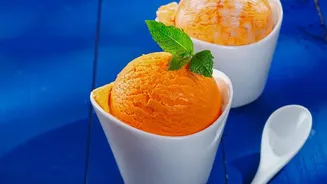
When the goal is pure, unadulterated refreshment, nothing beats a scoop of homemade orange sorbet. Often made with just three ingredients—fresh orange juice, sugar, and water—this frozen treat is simplicity at its best. The key is to create a simple syrup by dissolving sugar in water, which is then chilled and mixed with freshly squeezed orange juice. For those with an ice cream maker, the machine does the rest, churning the mixture into a smooth, frozen delight. However, it's just as easy to make without one; the mixture can be frozen in a container and scraped with a fork every hour to break up ice crystals and ensure a smooth texture. Serving the sorbet in hollowed-out orange shells offers a stunning presentation.
Layered Orange Trifle
A trifle is a showstopper dessert that’s all about beautiful layers and complementary textures. An orange trifle brings a sunny disposition to this British classic. The foundation is typically cubes of sponge or pound cake, often soaked in orange juice to infuse them with flavour and moisture. Next comes a layer of creamy vanilla or orange-flavoured custard or pudding, which adds a rich, smooth element. Between these layers, you’ll often find mandarin orange segments, which provide a juicy burst of fruitiness. The entire creation is topped with a generous layer of whipped cream. After chilling for a few hours, the flavours meld together, creating a dessert that is both impressive and incredibly satisfying to spoon into.
Elegant Orange Posset
The orange posset is a historic British dessert that proves you don't need a long list of ingredients to create something magical. Requiring just cream, sugar, and orange juice, this dessert is a testament to the power of food science. The process involves gently heating heavy cream and sugar until the sugar dissolves. Once removed from the heat, orange juice is whisked in. The acidity of the juice reacts with the heated cream, causing it to thicken and set as it cools, no gelatin or eggs required. The mixture is then poured into serving glasses or ramekins and chilled for several hours until it achieves a texture that is impossibly silky and rich. It’s a surprisingly easy yet sophisticated dessert that delivers a pure, intense orange flavour.