

A New Global Nutrition Snapshot
Released in July 2026, the UN's 'State of Food Security and Nutrition in the World' (SOFI) report offers a complex picture of global health. While global hunger has declined for the third consecutive year, the report highlights a more insidious challenge:
the quality of food people are eating. For many, including a significant portion of India's population, a truly healthy diet remains unaffordable. The report reveals that while India has made impressive strides in reducing the number of undernourished people over the last two decades, a new problem is taking root. This is the 'double burden' of malnutrition—the co-existence of undernutrition with a rapid rise in overweight adults, obesity, and diet-related diseases.
It's Not Just Calories, It's Quality
Perhaps the biggest takeaway from the 2026 reports is the urgent need to shift focus from mere 'food security' (having enough calories) to 'nutrition security' (having the right kind of food). The analysis points to a growing dependency on inexpensive, calorie-rich staples, often at the expense of vital, nutrient-dense foods like fruits, vegetables, and pulses. A key concern is the rising cost of a healthy diet, which has increased significantly, making it inaccessible for billions worldwide. In India, an estimated 35.5% of the population, or over 520 million people, could not afford a healthy diet in 2025. This economic pressure pushes families towards ultra-processed foods, which are often cheaper and more convenient but are linked to rising obesity rates.
What This Means for the Indian Thali
The UN's findings hold a mirror to the modern Indian diet. While traditional Indian meals are often rich in diversity, changing lifestyles and the availability of processed foods are altering the plate. The report implicitly challenges the over-reliance on polished rice and refined wheat, suggesting a need to re-diversify our staple grains. This is where India's own food heritage offers solutions. Millets, for example, are nutrient-rich, climate-resilient crops that are gaining renewed attention. The report's emphasis on dietary diversity also reinforces the wisdom of eating a variety of dals, seasonal vegetables (sabzis), and fruits. For India, addressing the 'double burden' means simultaneously tackling child stunting while also curbing the rise of adult obesity and anaemia in women, which remains a persistent issue.
Rethinking Your Meal Plan
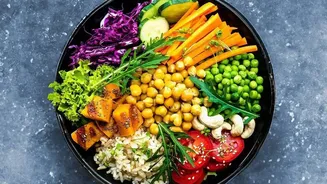
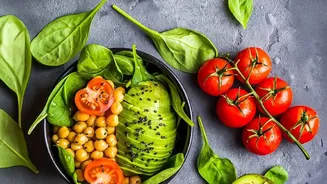
So, how does this change your approach to meal planning? It’s less about radical diets and more about mindful shifts. First, prioritise whole foods over ultra-processed ones. This means choosing whole grains like millets, brown rice, and whole wheat atta over their refined counterparts. Second, increase the diversity on your plate. Instead of relying on just one or two vegetables, try to incorporate a wider variety of seasonal and local produce. Third, be conscious of the cost factor. The reports acknowledge that healthy food is expensive. Smart planning can help, such as buying seasonal produce, cooking in batches, and relying on affordable proteins like lentils and legumes. The goal is to maximise the nutritional quality of your diet within your budget, focusing on what you add—like more vegetables and pulses—rather than just what you restrict.