







A Scam Straight from Science Fiction
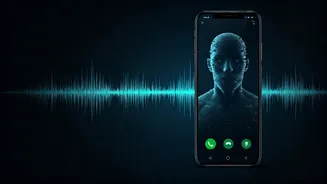
Artificial intelligence (AI) voice-cloning is a technology that can analyse a person's voice and create a synthetic replica. This replica can then be used to say anything the scammer types. Frighteningly, it no longer requires extensive audio recordings.
Modern tools can produce a disturbingly accurate clone from just a few seconds of audio—often sourced from public social media posts, a voicemail greeting, or a short video. What was once confined to high-tech research labs is now accessible, turning a person's unique vocal print into a weapon for fraud. This technology is not just about mimicking words; it learns the pitch, cadence, and emotional nuances that make a voice uniquely identifiable, making it incredibly difficult to detect a fake with the ear alone.
The Anatomy of a Voice-Cloning Scam
The scam typically preys on emotion and urgency. A scammer will call a target, often on a trusted platform like WhatsApp, using the cloned voice of a family member, friend, or even a boss. The script is designed to induce panic: they might claim to be in a car accident, have been kidnapped, or face another dire emergency requiring immediate financial assistance. The voice sounds authentic, the situation feels desperate, and the pressure to act immediately is intense. Victims, driven by the belief that a loved one is in danger, are tricked into transferring money through UPI, gift cards, or other quick payment methods before they have a chance to think critically or verify the situation. This method has proven alarmingly effective, with reports across India of individuals losing significant sums of money.
Why WhatsApp Is a Prime Target
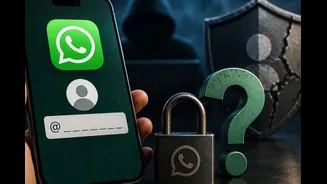
With its massive user base in India and its end-to-end encryption, WhatsApp provides a fertile ground for these scams. The platform is built on a foundation of trust—we assume the person calling from a known contact's account is who they say they are. Scammers exploit this trust. They may start by hacking an account to gain access to contacts and past voice notes, which can then be used to train the AI. In other cases, they simply impersonate a contact, sometimes claiming it's a new number. The perceived privacy of WhatsApp can also work against users, as it's difficult for external security systems to monitor for such malicious activity. Recent changes allowing usernames instead of numbers could also provide scammers with new avenues to impersonate people.
Your Best Lines of Defence
While the technology is sophisticated, the defences against it are often simple, behavioural changes. The single most effective tactic is to verify any urgent or unusual request independently. If you receive a frantic call asking for money, hang up. Then, call the person back on the phone number you have saved in your contacts—not the number that just called you. Another powerful strategy is to establish a 'safe word' or a unique passphrase with close family members. This is a simple word or question that only you would know, which can be used to instantly confirm identity in a supposed emergency. If the caller can't provide the safe word, it's a scam.
Red Flags to Watch For
Although AI clones are getting better, there can still be subtle giveaways. Listen for odd pauses, a slightly robotic tone, or a lack of background noise you would normally expect. However, you shouldn't rely on your ear alone. The biggest red flags are in the situation itself. Scammers almost always create extreme urgency, pressure you not to tell anyone else, and ask for money via an unusual or irreversible method. Be skeptical of any call that combines these elements. Real emergencies are chaotic, but they rarely demand such specific, secretive financial transactions. If a caller resists your attempts to verify their identity by calling them back, consider it a major warning sign.