








Prioritise Iron, the Energy Mineral
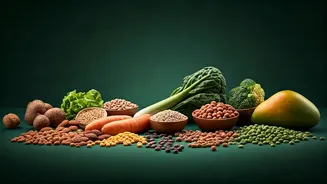
Iron is crucial for producing haemoglobin, the protein in red blood cells that carries oxygen throughout your body. Without enough oxygen, your cells can't produce energy efficiently, leading to fatigue. Plant-based (non-heme) iron is found in foods like
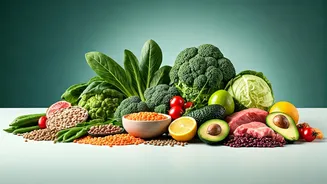
lentils, chickpeas, tofu, spinach, and fortified cereals. However, the body doesn't absorb this type of iron as easily as the iron from meat. To maximize absorption, pair iron-rich foods with a source of vitamin C. For example, squeeze lemon juice over a spinach salad, add bell peppers to a lentil curry, or have a side of oranges with your fortified breakfast cereal. It's also wise to avoid drinking tea or coffee with iron-rich meals, as compounds in them can hinder absorption.
Don't Forget Vitamin B12
Vitamin B12 is a powerhouse for energy production and nerve function. A deficiency is a notorious cause of fatigue and weakness. The challenge for vegetarians is that B12 is primarily found in animal products. If you follow a lacto-ovo vegetarian diet, you can get B12 from eggs and dairy products like milk, cheese, and yogurt. For those who consume few or no animal products, it's essential to seek out fortified foods. Many plant-based milks, breakfast cereals, and nutritional yeast are fortified with B12. Consuming these reliable sources daily is key to maintaining your levels and preventing an energy slump.
Fuel Up with Complex Carbohydrates
Carbohydrates are your body's primary fuel source, but the type of carb you choose matters immensely. Simple carbs, like sugar and white flour, cause a rapid spike in blood sugar followed by a crash, leaving you tired. Complex carbohydrates, on the other hand, are broken down slowly, providing a steady and sustained release of energy. Build your meals around whole grains like oats, quinoa, and brown rice; legumes like beans and lentils; and starchy vegetables like sweet potatoes. These foods are also rich in fibre, which aids digestion and helps stabilize blood sugar levels for consistent energy throughout the day.
Build with Plant-Based Protein
Protein is essential for building and repairing tissues, but it also plays a role in energy and satiety. Including a protein source at every meal helps keep you feeling full and prevents the energy dips that come from blood sugar instability. Excellent vegetarian protein sources include legumes, tofu, tempeh, seitan, nuts, and seeds. Quinoa is a standout as it's a complete protein, containing all nine essential amino acids. Combining different plant proteins throughout the day, such as beans and rice, ensures you get a complete amino acid profile to keep your body functioning optimally.
Incorporate Healthy Fats
Fats are a concentrated source of energy, and healthy fats are vital for brain health and reducing inflammation. Unlike the quick burst from simple carbs, fats provide long-lasting fuel. Focus on incorporating unsaturated fats from sources like avocados, nuts (almonds, walnuts), seeds (chia, flax, pumpkin), and olive oil. A handful of nuts for a snack, avocado on whole-grain toast, or a sprinkle of flaxseeds in your oatmeal can provide a powerful and sustained energy boost. These fats not only fuel your body but also help you absorb fat-soluble vitamins, contributing to overall health.
Hydrate and Eat Mindfully
Sometimes the simplest solution is the most effective. Even mild dehydration can cause feelings of fatigue and fogginess. Make sure you are drinking enough water throughout the day. Furthermore, how you eat is as important as what you eat. Eating at regular intervals—three meals and one or two snacks—can help maintain stable blood sugar and energy levels, preventing the sluggishness that comes from skipping meals. Pay attention to your body's hunger and fullness cues to avoid overeating, which can also lead to lethargy.