








The Allure of the Algorithm
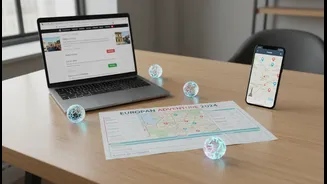
Let’s be honest: the appeal of an AI travel planner is undeniable. The ability to input a destination, a budget, and a few preferences and receive a detailed, day-by-day itinerary in minutes is revolutionary. These tools can save countless hours of research,
sift through thousands of reviews for personalised recommendations, compare flight and hotel prices in real-time, and eliminate much of the stress associated with planning. They act as a hyper-efficient digital travel agent, available 24/7 on your phone to handle logistics, offer suggestions, and even make adjustments on the fly. For travellers feeling overwhelmed by endless browser tabs and decision fatigue, AI offers a streamlined path to a well-organised trip.
The Hidden Cost of Perfection
However, a perfectly optimised trip is not always a perfect experience. The most cherished travel memories often come from moments of serendipity—the happy accidents that a rigid itinerary can’t predict. Think of the charming cafe you stumbled upon while taking a wrong turn, the impromptu street festival you joined, or the conversation with a local that led to discovering a hidden gem. When we outsource our entire planning process to an algorithm, we risk engineering these moments of spontaneous joy right out of our journeys. The efficiency of AI can inadvertently create a travel bubble, guiding us along a predetermined path that leaves little room for the delightful chaos of real-world discovery.
An Echo Chamber of Recommendations
There's a deeper issue at play: algorithmic bias. AI systems learn from existing data, which often reflects current popularity. This means they have a tendency to recommend the same well-known, and often overcrowded, tourist spots. This phenomenon, sometimes called "digital overtourism," is when algorithms concentrate visibility on already popular destinations before anyone even travels, narrowing our options at the pre-travel stage. Instead of encouraging exploration of lesser-known locales, AI can create an echo chamber, funnelling travellers to the same places and reinforcing existing tourism patterns. This not only contributes to overcrowding but also means small, local operators who aren't digitally prominent get overlooked.
Losing Your Travel Instincts
Over-reliance on technology can also dull our own travel skills. Part of the adventure is learning to navigate a new city, solve problems when plans go awry, and trust your own curiosity. Constantly following an AI-generated plan can diminish our ability to be independent and adaptable. When technology fails—a dead phone battery, no internet connection—we might find ourselves at a disadvantage, having outsourced the core competencies of travel. Embracing a degree of uncertainty and navigating it yourself helps build resilience and confidence, skills that are valuable both on the road and in daily life.
A Smarter, Hybrid Approach
The solution isn’t to abandon AI entirely, but to use it as a powerful assistant rather than a director. Let AI handle the tedious tasks: finding the most efficient flight routes, tracking down visa requirements, or building a rough outline of potential activities. Use it to create a foundational structure for your trip, but intentionally leave large parts of your itinerary open. Instead of asking AI to plan every single day, ask it for a list of diverse neighbourhoods to explore or a collection of different restaurant types. Use its efficiency to free up your time for more creative and personal planning.
Embrace the Art of Getting Lost
Once you've used AI to get your bearings, put the phone away. Dedicate an afternoon to simply wandering without a goal. Follow a street because it looks interesting. Choose a restaurant based on the crowd inside, not its online rating. These unplanned moments allow you to connect more authentically with a place and its people. While it's wise to double-check key details like opening hours or addresses that an AI provides—as they can sometimes be inaccurate or outdated—the true joy comes from using your own judgment and curiosity.