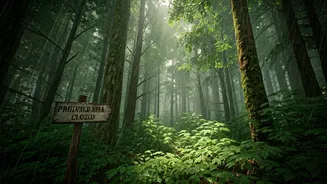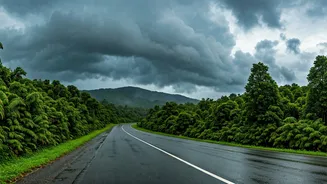




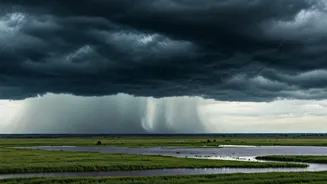


The Gates Close, The Forest Breathes
For wildlife enthusiasts, the monsoon often means a pause in safari plans. Across India, the core zones of most major national parks, from Ranthambore in Rajasthan to Kanha in Madhya Pradesh, close to the public, typically from June or July until September
or October. While this may seem like a disruption, it is a deliberate and essential strategy. The primary reasons are safety and conservation. Heavy rains make the unpaved tracks within the forests slippery and impassable for safari vehicles, increasing the risk of accidents. More importantly, this closure grants the ecosystem a desperately needed break from human activity, allowing the forest and its inhabitants to reset and rejuvenate.
A Time for New Beginnings
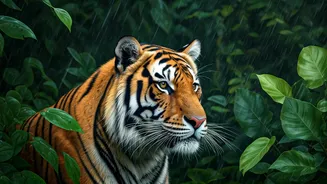
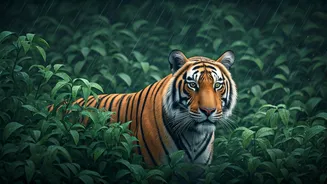
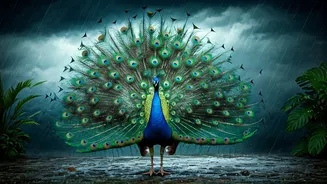
The monsoon is the principal breeding season for a vast number of species. With the forest floor softened by rain and vegetation becoming lush and abundant, it is the ideal time for animals to mate, nest, and raise their young. The reduced presence of tourist vehicles and human noise provides a quieter, less stressful environment, which is crucial for the successful nurturing of the next generation of tigers, elephants, birds, and countless other creatures. The abundance of insects and amphibians that emerge with the rains also creates a feast for many animals, kickstarting a boom in the food chain. Frogs and toads, whose croaking is a classic monsoon sound, begin their breeding cycles, providing sustenance for birds and reptiles.
Nature's Grand Renewal
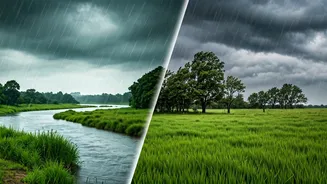
Beyond giving animals privacy, the monsoon is nature’s own restoration project. The rains replenish water bodies that have shrivelled during the summer, ensuring a year-round water supply for wildlife. The influx of water flushes out and cleans these waterholes. For ecosystems like Kaziranga National Park in Assam, the annual floods, while sometimes destructive, are a vital part of its life cycle. The floodwaters deposit a fresh layer of fertile silt across the grasslands, remove invasive plant species, and spur the growth of new grass, which is essential for herbivores like the one-horned rhinoceros and elephants. It is a powerful, if sometimes harsh, process that maintains the long-term health and productivity of the habitat.
A Different Kind of Safari
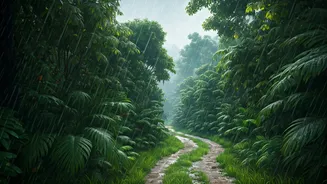
While many core zones are closed, the monsoon doesn't bring a complete halt to wildlife tourism. Several parks keep their buffer zones or specific circuits open, offering a unique and atmospheric experience. Destinations like the Periyar National Park in Kerala, with its boat safaris on the lake, and the buffer areas of Tadoba in Maharashtra become prime spots for a different kind of viewing. The forests are at their most vibrant, washed clean and cloaked in countless shades of green. Elephants are often seen enjoying the rain, and photographers cherish the dramatic, misty landscapes. Animal behaviour also changes; with cooler temperatures, many are active for longer periods during the day.
The Challenges of the Season
Despite its benefits, the monsoon is not without its perils for wildlife. In flood-prone areas like Kaziranga, the rising waters can be deadly. Animals are forced to migrate to higher ground, often having to cross busy highways, which leads to tragic accidents. While park authorities take extensive measures, including implementing speed restrictions and creating artificial highlands, some animal casualties are an unfortunate reality of the season. The increased moisture also brings a higher risk of infections and parasites for both wild and domestic animals. However, conservationists emphasize that for habitats like Kaziranga, the long-term ecological benefits of the floods far outweigh the short-term losses, contributing to a robust and growing rhino population over the decades.