




In our modern world, spending hours a day at a desk is the norm. But this sedentary lifestyle takes a toll, leading to physical stress, aches, and poor posture. Fortunately, the solution isn't just moving more—it's moving with purpose.
The Daily Toll of Sitting
When you sit for
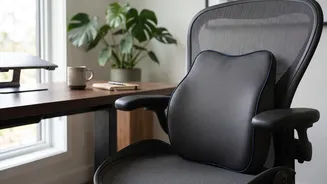
extended periods, your body adapts in ways that cause physical stress. Your hip flexors, the muscles at the front of your hips, become short and tight. Simultaneously, the muscles on the opposite side, your glutes, become underactive and weak. This imbalance is often referred to as 'anterior pelvic tilt'. Your hamstrings can also shorten, and your upper back may round forward, causing your chest muscles to tighten and your shoulders to slump. This creates a cascade of postural problems that can lead to chronic lower back pain, neck stiffness, and reduced mobility. Over time, this constant state of muscular imbalance not only causes discomfort but also makes you more susceptible to injury.
What 'Focused Training' Really Means
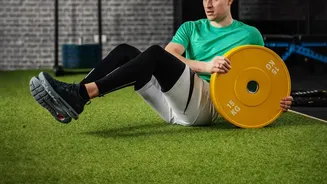
Focused gym training is the strategic antidote to the problems caused by sitting. It’s not about randomly lifting weights or spending an hour on the treadmill. Instead, it’s a targeted approach to strengthen the muscles that have become weak and lengthen the ones that have become tight. The primary goal is to restore balance to your body by prioritising what is known as the 'posterior chain'. This group of muscles runs along the entire back side of your body, including your glutes, hamstrings, calves, and the muscles supporting your spine, like the lats and erector spinae. By focusing on these muscles, you directly counteract the forward-hunching posture that sitting encourages.
Activating the Posterior Chain
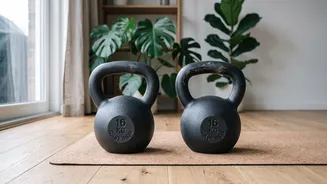
The foundation of this focused approach is strengthening the posterior chain. Exercises like deadlifts, glute bridges, and kettlebell swings train your body to hinge at the hips, powerfully engaging your glutes and hamstrings. These movements essentially 'wake up' the muscles that go dormant from sitting all day. Similarly, rowing variations and pull-ups are crucial for building strength in the upper back. Strengthening your lats, rhomboids, and rear deltoids helps to pull your shoulders back and down, opening up your chest and correcting the rounded-shoulder posture. This not only improves your physical appearance but also takes significant strain off your neck and upper spine.
The Importance of Core Stability
A strong core is about much more than a sixpack; it’s about creating a stable base for your entire body. When we talk about the core in this context, we mean the deep abdominal muscles, obliques, and lower back muscles that wrap around your torso like a corset. Exercises like planks, birddogs, and Pallof presses train these muscles to resist unwanted movement and protect your spine. A stable core prevents your lower back from arching excessively to compensate for weak glutes, a common cause of back pain in desk workers. By improving core stability, you build a resilient foundation that supports good posture throughout the day, even when you are sitting.
Releasing Tension with Mobility Work
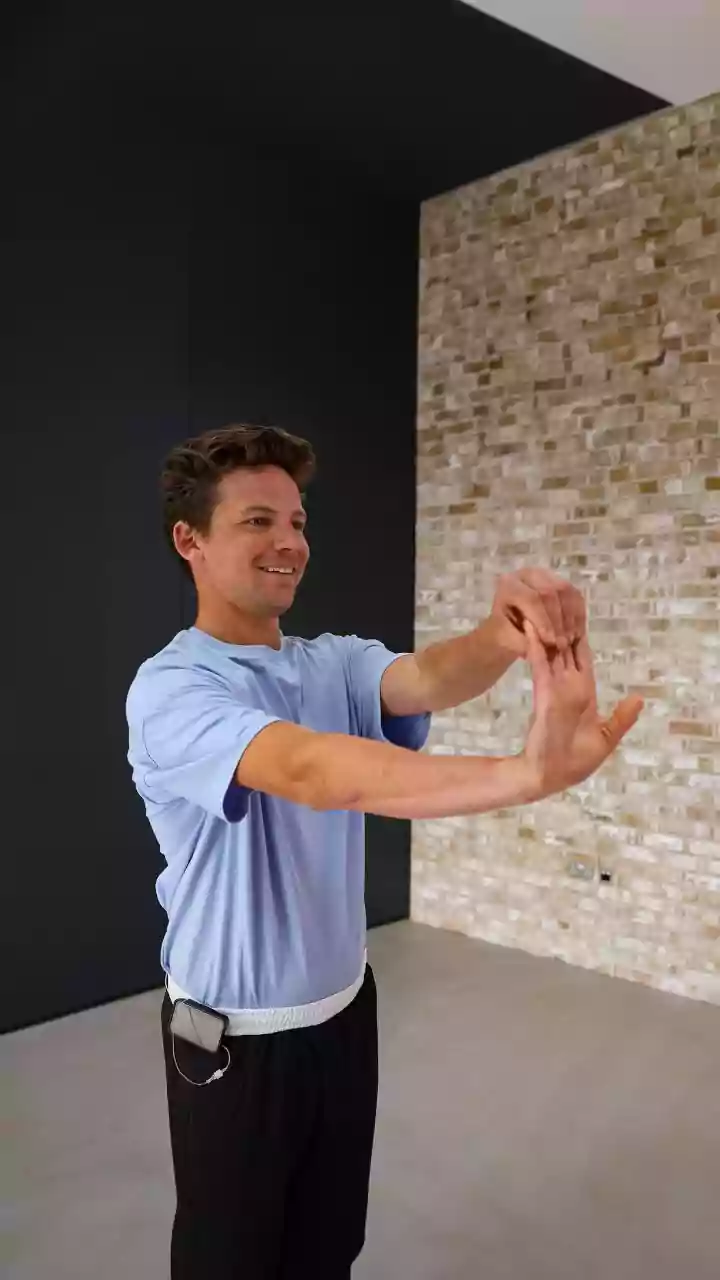
Strength training is only one half of the equation. To fully relieve the stress of sitting, you must also address the muscles that have become tight. This is where mobility and flexibility exercises come in. Stretches that target the hip flexors, such as lunges, are essential for undoing the shortening effect of sitting. Chestopening stretches, like holding a strap and pulling your arms back, can counteract the hunch in your upper body. Incorporating mobility work, such as catcow stretches or thoracic spine rotations, can help improve your spinal flexibility and relieve builtup tension. This combination of strengthening what's weak and lengthening what's tight is the key to creating a balanced, painfree body.