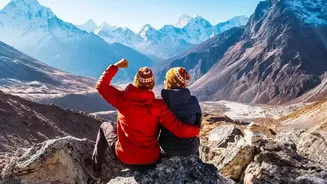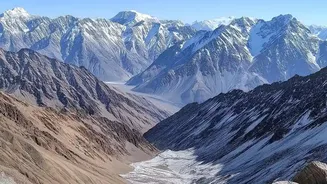



The Unpredictable Himalayan Landscape
The majestic beauty of the Himalayas comes with inherent risks. The region is prone to sudden and dramatic weather changes. Monsoon season (typically July to September) brings heavy rains, which can trigger landslides and flash floods, washing away entire
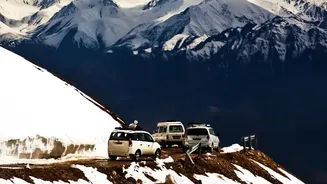
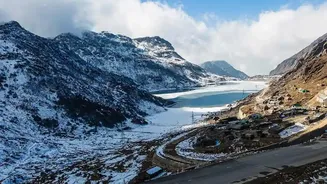
sections of road. Conversely, winter brings heavy snowfall, leading to road closures and dangerously icy conditions. The post-monsoon period of October and November offers clearer skies but isn't without its own challenges; early snowfall and frost can make high-altitude roads treacherous, especially in the early morning and late afternoon. Recent incidents in Lahaul-Spiti, for example, saw authorities regulating traffic hours on key routes like the Darcha-Shinkula stretch due to frost, allowing vehicles only during a short window to prevent skidding. These dynamic conditions are precisely why checking advisories isn't just a suggestion—it's an essential part of your travel plan.
Your Go-To Sources for Official Information
Relying on outdated blog posts or general travel advice can be risky. Your first step should always be to consult official and real-time sources. For states like Himachal Pradesh and Uttarakhand, the respective State Disaster Management Authority (SDMA) websites and police traffic portals are invaluable. These platforms often provide daily bulletins on road status, weather warnings, and travel restrictions. The official Ladakh administration website offers similar guidance for travelers heading to Leh, Nubra, and Pangong. Additionally, many states now require mandatory online registration for tourists, especially for popular pilgrimages or high-traffic areas, via portals like the Smart City Dehradun website for Uttarakhand. Bookmarking these sites and checking them daily before and during your trip is the most reliable way to stay informed.
Decoding Road Status Reports
Understanding official notices is a skill in itself. A road status report might declare a route 'open,' but often with conditions. Look for specifics: Are there restricted timings? Is the road open only to certain types of vehicles (e.g., 4x4s)? Are there specific stretches, like the Gramphu-Batal or Darcha-Sarchu sections, that are closed while the main highway remains partially open? For example, a report might state the Atal Tunnel's north portal is open, but the road beyond to Sarchu on the Manali-Leh highway is closed due to snow. Always check the date of the advisory to ensure it's current. If information seems contradictory or incomplete, it is always better to wait for clarification from local authorities than to proceed on an assumption.
On-the-Ground Intelligence and Route Planning
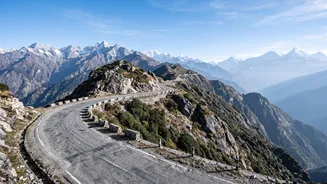
While official websites are crucial, they don't always capture the full picture in real-time. This is where local knowledge becomes your best friend. Speak to your hotel owner, taxi drivers, and local shopkeepers. They often have the most current information about micro-conditions that may not have reached an official report yet. When planning your itinerary, build in buffer days. A two-day delay due to a landslide or snowfall is not uncommon in the Himalayas. A rigid schedule can force you to take unnecessary risks. Driving on these winding, narrow roads requires immense caution; always drive slowly, avoid travelling after dark, and be prepared for oncoming traffic and potential hazards.
Vehicle Preparedness is Non-Negotiable
If you are planning a self-drive trip, your vehicle’s health is as important as your own. Before you begin, get a thorough mechanical inspection, paying special attention to brakes, tyres, clutch, and suspension. The cold temperatures in high-altitude areas can weaken your car battery, so ensure it is in good condition. Carry a basic toolkit, a spare tyre, and know how to change it. Essential spares to consider include an air filter, fuses, and key fluids like engine oil and coolant. Because of the rough terrain, underbody damage is a real risk. A vehicle with higher ground clearance is always a better choice for Himalayan roads. These preparations can be the difference between a minor inconvenience and being stranded for hours or even days.