



The Grain’s Grand Comeback
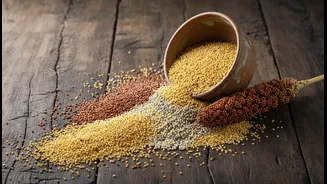
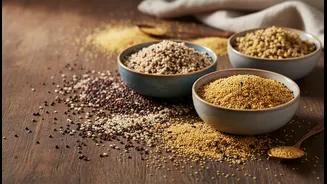
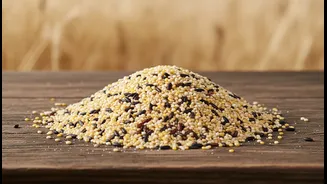
Not long ago, staples like jowar, bajra, and ragi were common in Indian households before the Green Revolution shifted focus to wheat and rice. This pushed millets into the background, often seen as 'coarse grains'. However, a recent wave of awareness,
significantly boosted by India's championing of the 'International Year of Millets' in 2023, has sparked a nationwide revival. The government rebranded them as 'Nutri-Cereals' in 2018, aiming to restore their lost glory. This renewed focus isn't just about nostalgia; it's a conscious move towards a more sustainable and healthy future, reconnecting a new generation with its culinary roots.
A Nutritional Powerhouse
The health benefits of millets go far beyond just aiding weight loss. These grains are naturally gluten-free, making them ideal for those with sensitivities. They are packed with protein, fibre, and essential minerals like iron, calcium, and magnesium. With a low glycemic index, millets release energy slowly, which helps in managing blood sugar levels, making them an excellent choice for diabetics. Their high fibre content promotes great digestive health, keeps you feeling full for longer, and supports a healthy gut microbiome. This impressive nutritional profile is a key reason they have moved from a diet-specific food to a daily wellness staple.
Good for You, Good for the Planet
In an era of climate change, the agricultural advantages of millets are more critical than ever. These are climate-resilient crops that thrive in arid conditions, requiring significantly less water than rice and wheat. Their ability to grow in poor soil with minimal need for chemical fertilizers or pesticides makes them an environmentally sustainable choice for farmers, especially small and marginal ones in dryland regions. By cultivating millets, farmers can enhance soil health, conserve water, and reduce the carbon footprint associated with agriculture, making these grains a crucial component of India's food security and sustainable farming future.
From Roti to Risotto
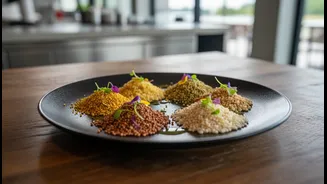
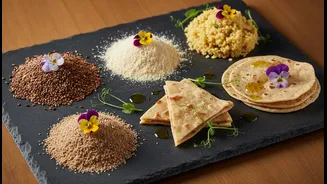
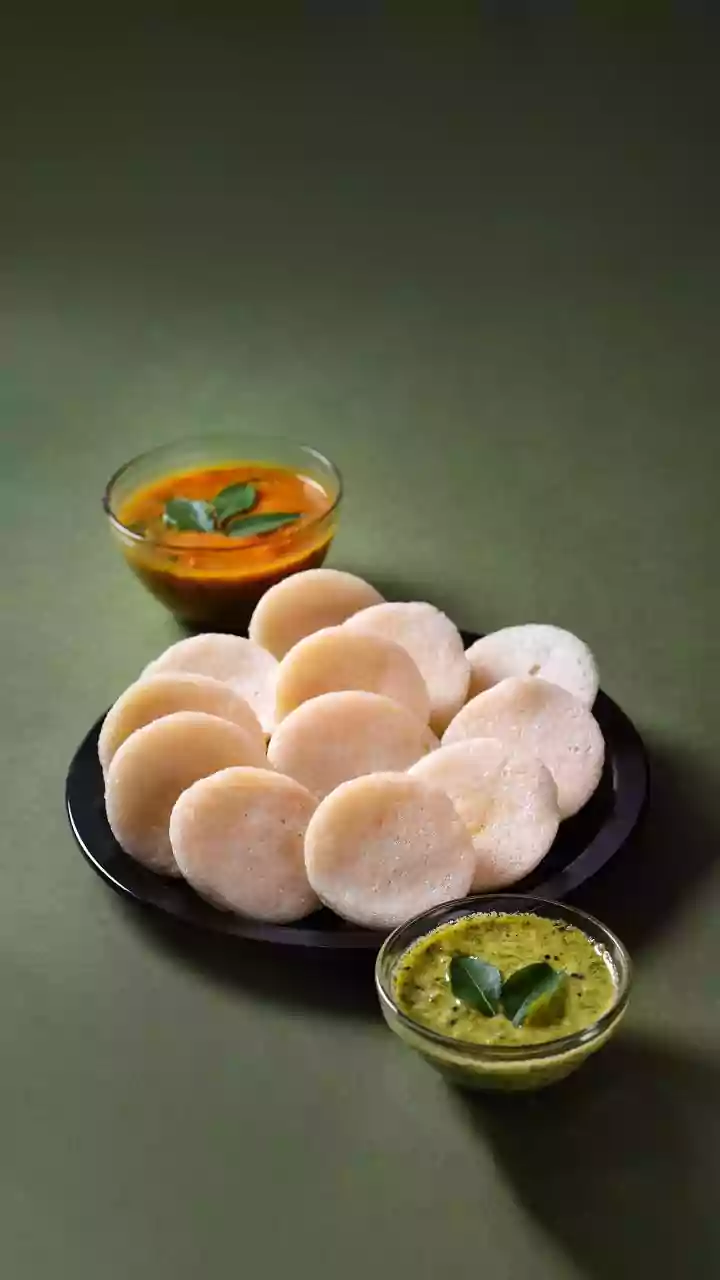
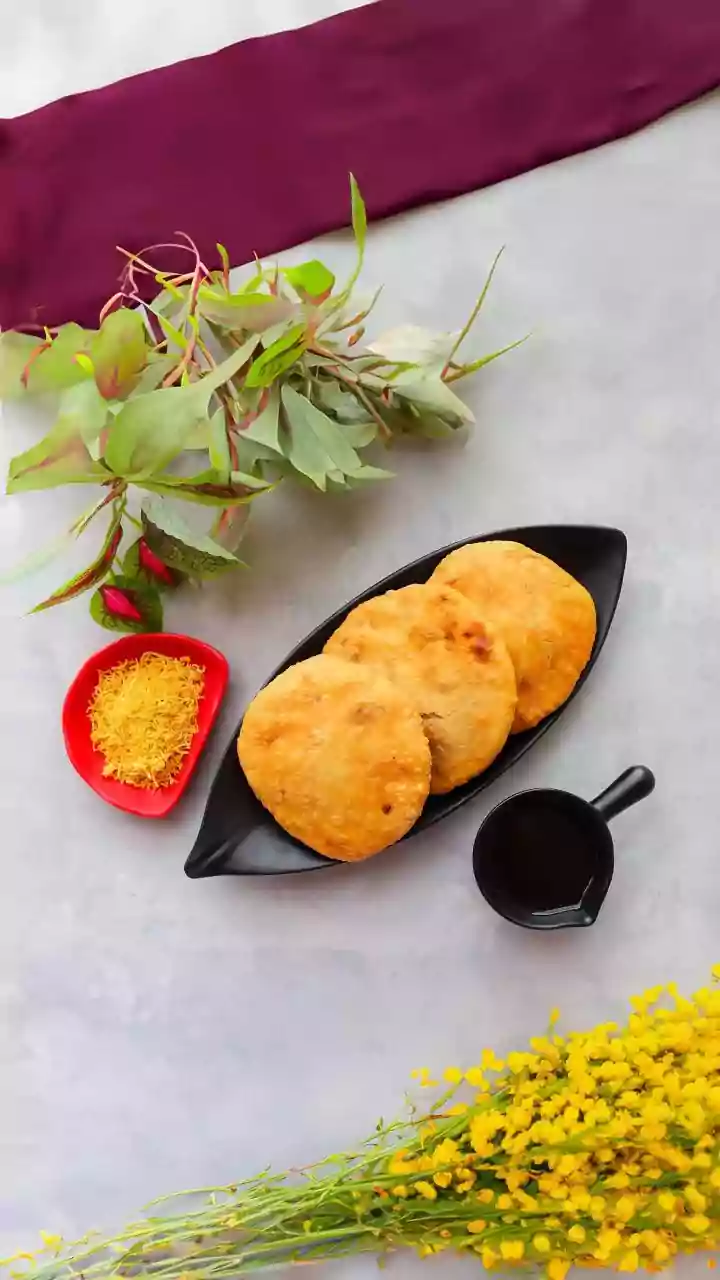
The modern millet movement is being driven by innovation in the kitchen. Chefs across India are creatively incorporating millets into gourmet dishes, moving far beyond traditional rotis and porridge. You can now find millet-based pasta, noodles, pizza bases, and even beer. Numerous startups have entered the market, offering a wide range of ready-to-cook and ready-to-eat products like millet dosa mixes, upma, cookies, and breakfast cereals. Brands like Slurrp Farm, Tata Soulfull, and Millet Amma are making these grains accessible and appealing to modern urban consumers who seek both convenience and health. This culinary revolution is making it easier than ever to enjoy the benefits of millets in delicious new forms.
How to Join the Millet Movement
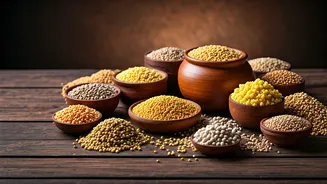
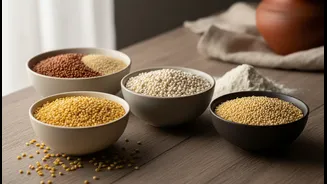
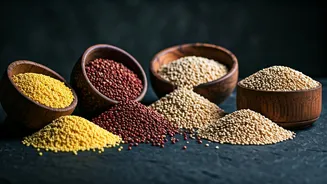
Integrating millets into your diet is simpler than you might think. Start by making small swaps. Replace rice with foxtail or little millet in dishes like pulao and khichdi. Use jowar or bajra flour alongside your regular atta for rotis. Ragi porridge makes for a powerful, nutrient-dense breakfast. You can also use millet flakes for a healthy alternative to cornflakes or use puffed millets to make a crunchy, roasted snack. The key is to start slow, perhaps with one millet-based meal a day, and explore the different textures and flavours that varieties like kodo, barnyard, and proso millet have to offer.