



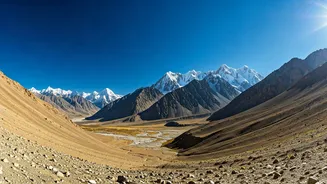


The Rain Shadow Advantage
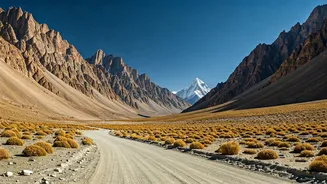
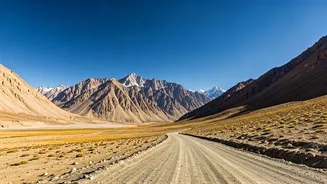
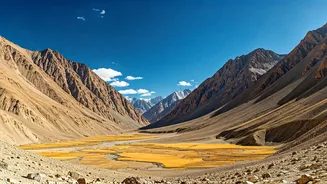
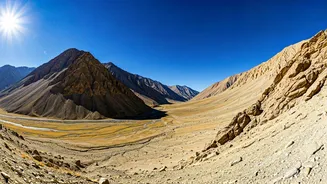
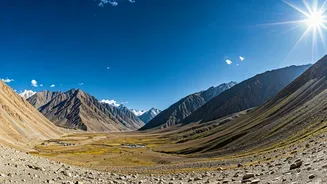
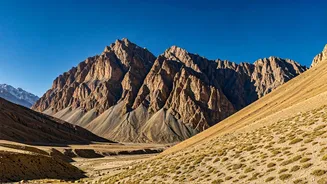
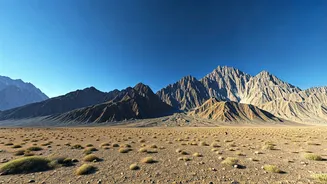
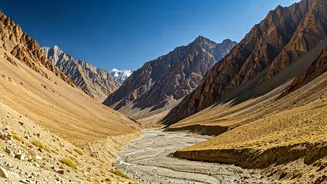
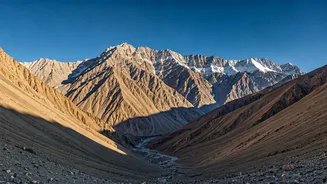
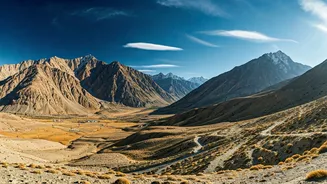
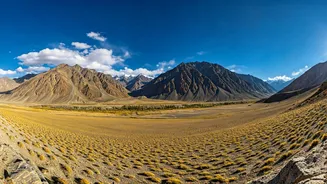
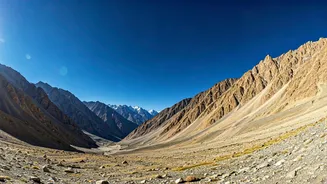
Spiti's unique geography is its biggest monsoon attraction. The towering Himalayan ranges block most rain clouds, resulting in a stark, beautiful landscape with minimal rainfall even in July and August. This means you can trade grey skies and constant
rain for bright, sunny days perfect for exploring. While the approach roads via Shimla or Manali might see some rain, the core valley itself remains largely dry, offering clear views and accessible trails when other Himalayan destinations are grappling with landslides.
Choosing Your Route: Shimla vs. Manali
You can enter Spiti from two main points: via Shimla or Manali. The Shimla to Kaza route is longer but highly recommended for first-timers. It involves a gradual ascent, allowing your body to acclimatize to the high altitude and reducing the risk of Acute Mountain Sickness (AMS). This route is generally open year-round, though monsoon can cause delays in the Kinnaur region. The Manali to Kaza route is shorter and more dramatic, crossing the high-altitude Kunzum Pass (4,551 metres). This route usually opens by mid-June and is best attempted from July onwards. For the best experience, consider a circuit: enter via Shimla and exit through Manali.
Must-See Monasteries and Landscapes
Spiti is a land of ancient monasteries and breathtaking vistas. The Key Monastery, perched dramatically on a hill near Kaza, is the largest in the valley and an iconic landmark. Tabo Monastery, a UNESCO World Heritage site, is over a thousand years old and known as the 'Ajanta of the Himalayas' for its stunning murals. Don't miss Dhankar Monastery, which seems to hang precariously from a cliff. Other essential stops include Hikkim, home to the world's highest post office, and Langza, famous for its giant Buddha statue and prehistoric marine fossils.
The Ethereal Chandratal Lake
No Spiti trip is complete without a visit to the magnificent Chandratal, or 'Moon Lake'. This crescent-shaped lake, located at an altitude of about 4,300 metres, shimmers with surreal shades of blue against a backdrop of barren mountains. Access to the lake is typically from June to October, with July being a prime month. The road to Chandratal can be challenging, but the reward is an unforgettable sight and the opportunity to camp near its shores under a blanket of stars.
Health and Acclimatisation 101
Altitude sickness is a real risk in Spiti, where most villages are above 3,500 metres. The key is gradual acclimatisation. Spend your first couple of nights at a lower altitude like Tabo or Kaza before ascending further. Drink plenty of water (3-4 litres daily), eat light, carbohydrate-rich meals, and avoid alcohol. Walk slowly and avoid strenuous activity for the first 24-48 hours. Recognizing the early symptoms—headache, nausea, and dizziness—is crucial. If symptoms persist, descend to a lower altitude.
Essential Packing and Permits
Even in summer, Spiti's weather is unpredictable. Pack in layers: thermal wear, fleece jackets, and a windproof/waterproof outer shell are essential. The sun is harsh at high altitudes, so carry sunscreen (SPF 50+), sunglasses, and lip balm. Nights can be cold, with temperatures dipping towards freezing, especially at higher elevations like Chandratal. For Indian citizens, no permits are required for the standard Spiti circuit. Carry a government-issued ID and be prepared for limited mobile network connectivity, with BSNL and Jio postpaid working best in Kaza.