


Redefining Your Workout Zone
Forget the idea that you need a dedicated home gym. For an effective workout, you only need enough room to lie down comfortably, roughly the size of a yoga mat. This small patch of floor, whether in your bedroom, living room, or even a wide hallway, is your new
fitness zone. The first step is a mental shift: see the space for its potential, not its limitations. By clearing a small area, you create a physical and mental boundary that signals it's time to focus on fitness. This approach makes exercise more accessible and easier to integrate into your daily routine. The key is to work with what you have, rather than waiting for the perfect setup.
Strength Moves That Go Vertical
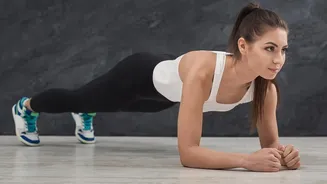
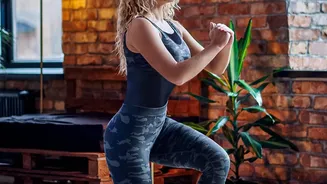
When floor space is limited, focus on exercises that use vertical space and require little to no movement across the floor. Bodyweight strength training is one of the most effective options for small-space fitness. Foundational exercises like squats, lunges, and push-ups are perfect because they build muscle and strength within a tiny footprint. Variations can keep things challenging. Try elevating your feet on a chair for decline push-ups or holding a squat position against a wall (wall-sit) to increase intensity without needing more room. Planks are another space-efficient powerhouse for building core strength. You can progress from a standard plank to side planks or plank shoulder taps to engage different muscles.
Cardio Without the Commotion
Getting your heart rate up in an apartment can be tricky, especially if you have neighbours below. The solution is to choose cardio exercises that are either low-impact or can be modified to reduce noise. High knees, jumping jacks, and mountain climbers are excellent choices that can be done in one spot. If jumping creates too much noise, opt for 'silent' or low-impact versions. For instance, instead of standard jumping jacks, step one foot out to the side at a time. Instead of loud burpees, perform an 'inchworm walkout', where you walk your hands out to a plank and then walk them back to your feet. These modifications deliver a great cardio workout while keeping your neighbours happy.
Minimal Gear, Major Impact
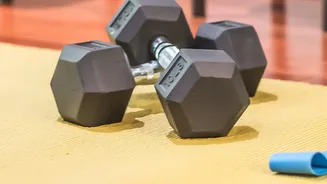
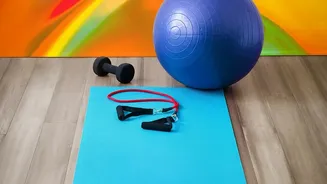
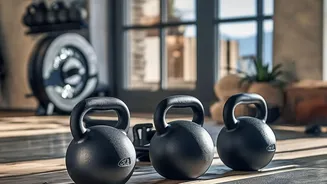
While bodyweight exercises are incredibly effective, adding one or two versatile pieces of equipment can significantly amplify your results. Resistance bands are a fantastic, space-saving tool for adding challenge to both upper and lower body exercises. A single kettlebell or a pair of adjustable dumbbells can replace an entire rack of weights, allowing you to perform exercises like swings, goblet squats, and overhead presses. The goal is to choose equipment that serves multiple functions and can be easily stored under a bed or in a closet. This approach keeps your living space uncluttered and your workout routine dynamic and progressive.
Structuring Your Session for Maximum Results
To get 'maximum results' from your workouts, structure is crucial. Two highly effective methods for small-space training are High-Intensity Interval Training (HIIT) and circuit training. HIIT involves short bursts of intense effort followed by brief rest periods. For example, you could perform 45 seconds of high knees, rest for 15 seconds, then move to 45 seconds of push-ups. Circuit training involves moving from one exercise to the next with minimal rest in between, completing a full round before taking a longer break. A sample full-body circuit could include squats, push-ups, glute bridges, and a plank hold, repeated for 3-5 rounds. These methods are efficient, burning significant calories and building endurance in a short amount of time.