









The Film Everyone Is Talking About
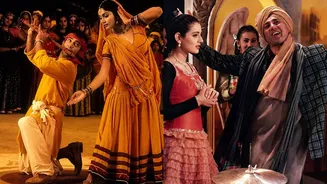
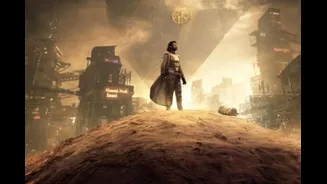
Released in 2019, *Hellaro* (The Outburst) arrived with a quiet confidence and left with a roar. Set in 1975 in a remote village in the Rann of Kutch, the film tells the story of a group of women living under the thumb of a rigid, oppressive patriarchy.
Their lives are a monotonous cycle of chores and obedience, with no room for personal expression. Men perform the Garba to appease the goddess and pray for rain, but women are forbidden from participating. The film isn't just trending because of a viral clip; it's being rediscovered by viewers who are hungry for powerful, meaningful storytelling that reflects our own ongoing conversations about freedom and identity.
More Than Just a Dance Movie
On the surface, *Hellaro* is a film about Garba. But to call it a 'dance movie' would be a massive understatement. Here, the dance is not a celebration but an act of rebellion. The story finds its catalyst when the women, on a journey to fetch water, stumble upon a dhol player named Manjhri. In the seclusion of the vast, empty desert, they begin to secretly dance the Garba. For them, each clap, twirl, and step is a reclamation of their bodies, their joy, and their spirit. The film masterfully uses Garba as a metaphor for freedom. It’s a primal scream expressed through rhythmic movement, a powerful assertion of 'I exist' in a world that tries to render them invisible.
A Resonant Story of Sisterhood
What makes *Hellaro* so enduring is its powerful depiction of female solidarity. The women are not a faceless monolith; they are individuals with fears, desires, and distinct personalities who find strength in each other. In a society designed to pit them against one another through suspicion and tradition, they choose unity. Their secret Garba sessions become a sacred space where they can be vulnerable, share their sorrows, and experience unadulterated joy. This theme of sisterhood as a revolutionary force is timeless. In an era where female-led narratives are gaining prominence, *Hellaro* stands out as an authentic and deeply moving example of what happens when women decide they have had enough.
Why Its Relevance Keeps Growing
So why is a film from 2019 making waves again? Its themes are perpetually urgent. The struggle against patriarchal control, the fight for creative and personal expression, and the search for community are universal battles. Every time a new story about women's rights hits the headlines, or a debate about tradition versus modernity takes place, *Hellaro* feels relevant again. Social media users and film enthusiasts constantly recommend it as a 'must-watch,' ensuring it never fades from the public consciousness. Its availability on streaming platforms has also given it a long and vibrant second life, allowing a new generation of viewers to discover its power outside the traditional festival or theatrical circuits.
A Landmark for Gujarati Cinema
We cannot discuss *Hellaro* without acknowledging its monumental impact on Gujarati cinema. The film made history by winning the National Film Award for Best Feature Film in 2019, a first for a Gujarati movie. Furthermore, its 13 lead actresses received a Special Jury Award for their collective performance. This recognition catapulted Gujarati cinema onto the national stage, proving that regional films could tell universally resonant stories with artistic brilliance and commercial appeal. It challenged the industry to move beyond familiar formulas and invest in bold, original narratives that speak to the times.