




The Half-Recipe Dilemma
It’s a common kitchen scenario: you want to bake a smaller batch. While it seems logical to just cut the ingredient list in half, baking is a science of ratios, and that includes the equipment you use. Pouring half the amount of batter into the pan specified
for a full recipe is a recipe for disappointment. The batter will spread into a thin, sad layer that doesn't have the depth it needs to cook properly. This fundamental change in depth alters the entire cooking process, leading to results that are often far from what the recipe creator intended. It's not just about having a thinner final product; it's about changing the physics of how your food bakes.
The Science of Surface Area and Depth
The core issue lies in the relationship between surface area and volume. When you use the correct pan size, the recipe is calibrated for a specific batter depth. This depth determines how heat from the oven penetrates the food. Heat moves from the edges of the pan inward and from the top and bottom surfaces toward the center. When you pour half a recipe into a large pan, you drastically increase the ratio of surface area to volume. With more surface area exposed to heat and less depth for that heat to travel through, the baking process accelerates dramatically. Moisture evaporates faster, and the delicate balance between a cooked edge and a tender center is thrown completely off-balance.
Common Fails and How to Spot Them
Using too large a pan for your batter often results in a sad, dry, and overcooked dessert. You’ll likely see edges that are dark brown and crispy, while the texture throughout is more like a cracker than a cake. Brownies might lose their chewiness, and cakes can become tough and flat because there isn't enough batter depth to support a proper rise. Conversely, if you cram a full recipe into a pan that’s too small, you face the opposite problem: the outside will burn before the center has a chance to cook through. This often leads to a sunken, gooey middle and scorched edges—a true baking catastrophe.
Choosing the Right Pan for a Half-Recipe
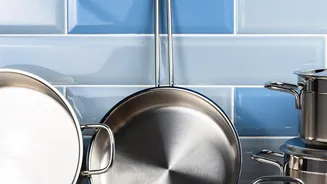
So, how do you choose the right pan? Your goal is to find a pan that has roughly half the volume of the original. This helps maintain the intended batter depth. For example, a standard 9x13-inch rectangular pan holds about 14 cups of volume. Halving that gives you 7 cups. An 8x8-inch square pan or a 9-inch round pan both hold about 8 cups, making them excellent substitutes. As a general rule, you want to fill your new pan about half to two-thirds full with batter. If you have to fill it more than that, you risk an overflow. If it's much less, you're back to the thin-batter problem. Online pan conversion charts can also do the math for you, but understanding the principle of volume is key.
Adjusting Time and Temperature
Even with the right-sized pan, you might need to make small adjustments. Pan material and finish can affect baking. Glass pans, for instance, are insulators that heat slowly but retain heat well, which might require a longer bake time than a metal pan. Dark metal pans absorb more heat and can lead to faster browning, so some experts suggest reducing the oven temperature by 25°F. When you change pan size, it's crucial to rely on sensory cues over the clock. Start checking for doneness—using a toothpick or by gently pressing the center—about 10 to 15 minutes before the original recipe's minimum bake time suggests you should. It’s always better to check early and often than to pull out a burnt offering.