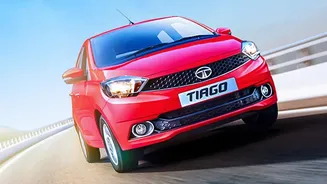







The Driving Force Behind the Price Change
Tata Motors has announced that prices for its passenger vehicles will increase by up to ₹25,000 starting September 1, 2026. The company attributes this decision to the persistent rise in input costs and sustained inflationary pressures. Essentially, the cost of
raw materials and components needed to build cars continues to climb, and automakers are finding it increasingly difficult to absorb these expenses entirely. This is not a new challenge; it marks the third time Tata has revised its prices in 2026, following smaller hikes in April and July. By passing a portion of these increased costs to the consumer, the company aims to protect its operational margins, a common strategy seen across the industry. This move signals that commodity cost inflation has become a significant headwind for the entire auto sector.
Which Models Will Cost More?
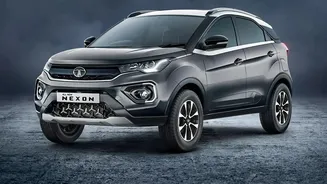
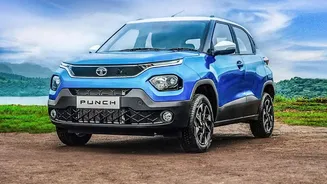
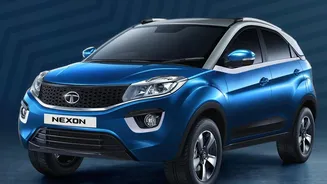
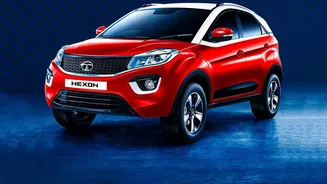
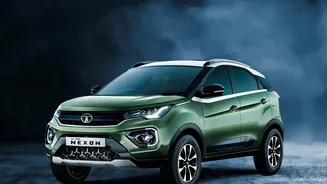
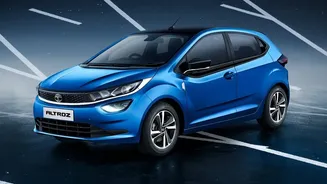
The price revision is comprehensive, affecting the entire passenger vehicle lineup. This includes internal combustion engine (ICE) models—petrol, diesel, and CNG—as well as the full range of electric vehicles (EVs). So, whether you are eyeing the popular Nexon, the compact Punch, the family-sized Harrier, or any of their EV counterparts, you can expect a price adjustment. However, the company has clarified that this is not a flat ₹25,000 increase across the board. The quantum of the hike will vary depending on the specific model and variant. While Tata Motors has not released a detailed list specifying the exact increase for each car, the structure is intended to maintain the value proposition of each offering. This typically means that higher-end models or variants might see a larger absolute increase, while the impact on entry-level cars could be more modest in percentage terms.
An Industry-Wide Trend
Tata Motors is not acting in isolation. This pricing strategy is part of a broader industry trend where major automakers are forced to adjust their prices upwards. Just recently, Maruti Suzuki announced a price hike in August, and Hyundai confirmed a similar increase for September, also citing rising commodity costs and macroeconomic factors. This coordinated movement by India's top car manufacturers indicates a collective struggle to balance production costs with competitive pricing. The era of infrequent, large annual price hikes seems to be giving way to smaller, more frequent revisions as companies navigate a volatile economic environment. For consumers, this means the price tag they see one month may not be the same the next, making timely purchase decisions more critical.
The Big Question: Should You Buy Now or Wait?
With a confirmed price hike just around the corner, the most pressing question for prospective buyers is whether to rush a purchase before September 1. The answer largely depends on your readiness. If you have already test-driven your preferred model, finalized the variant, and are ready to make a booking, acting before the end of August is the most logical step. This will lock in the current, lower price, protecting you from an increase of up to ₹25,000. For those still early in their car-buying journey, the decision is less clear-cut. Rushing into a major financial commitment is never advisable. However, be aware that waiting will likely mean a higher final cost for the same vehicle. While festive season discounts may appear later in the year, they are not guaranteed to offset this specific price increase. The current hike is a direct response to rising costs, not a seasonal adjustment.