



Secure Your Pots and Planters
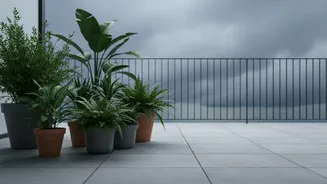
The most immediate danger during high winds is pots tipping over or, in worst-case scenarios, being blown off the balcony. Start by moving your plants away from the edge. Grouping containers together in a cluster on the floor, especially in a sheltered
corner against a wall, offers mutual support and stability. Heavier pots made of terracotta or stone are less likely to topple than lightweight plastic ones. If you have many lightweight pots, consider placing them inside larger, heavier containers for the duration of the storm. For tall or top-heavy plants, securing them to the balcony railing with twine or strong ties can prevent them from falling and breaking.
Bring Vulnerable Plants Indoors
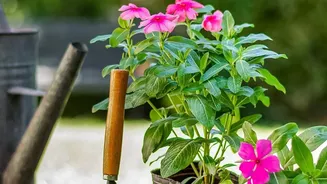
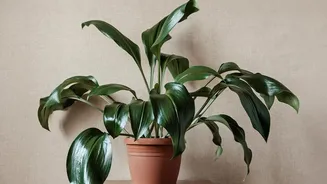
Not all plants are created equal when it comes to weather tolerance. Delicate species with large leaves, soft stems, or fragile flowers are particularly susceptible to wind and rain damage. If a storm is forecast, your best strategy is to temporarily move these sensitive plants inside. A garage, laundry room, or even a sheltered spot on the floor away from windows can provide the refuge they need. This includes hanging baskets, which can easily be battered by wind. Taking this simple step is the most effective way to guarantee their survival and prevent heartbreak later.
Improve Drainage to Prevent Drowning
While rain is essential, too much of it can be deadly for potted plants. Waterlogged soil cuts off oxygen to the roots, leading to root rot. Before the rain arrives, check that every pot has adequate drainage holes. Clear any holes that might be blocked with soil or old roots. Elevating your pots slightly on 'pot feet' or bricks allows excess water to drain away freely and prevents them from sitting in a puddle of water. A common myth suggests adding a layer of gravel to the bottom of pots improves drainage, but this can actually make things worse by creating a perched water table that keeps the roots wet. Instead, focus on using a well-draining potting mix throughout the container.
Prune and Support Strategically
Long, leggy branches and dense foliage act like sails in the wind, increasing the risk of snapping and damage. Proactively pruning your plants can make a significant difference. Trim back weak or overgrown stems to reduce the plant's surface area and allow wind to pass through more easily. For tall plants like young trees or vining species, providing physical support is crucial. Use stakes, trellises, or cages to anchor them securely. This extra support will help them withstand the force of both wind and heavy rain, preventing bent or broken stems.
Create a Temporary Windbreak
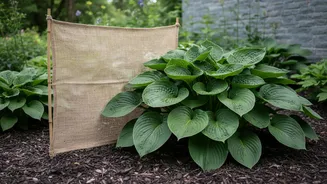
If moving all your plants isn't feasible, you can create a temporary shield to lessen the impact of strong gusts. Grouping taller, hardier plants on the windward side of your balcony can create a natural barrier for more delicate ones tucked behind them. For a more robust solution, you can secure bamboo screens or even outdoor fabric to your railings to deflect the wind. Even clustering your pots together creates a more sheltered microclimate, reducing moisture loss from the leaves and providing collective stability.
Post-Storm Care and Recovery
Once the storm has passed, it's time for a quick damage assessment. Gently shake off any excess water from leaves and flowers to prevent fungal growth. Check the soil in each pot; if it's completely saturated, you can gently tilt the pot to help excess water drain out. Aerating the soil with a skewer or chopstick can also help introduce oxygen back to the roots. Remove any broken branches or damaged leaves to keep the plant healthy and redirect its energy toward new growth. If you moved plants indoors, don't rush them back into direct sunlight. Reintroduce them gradually to prevent shock.