


The High Cost of Going Electric
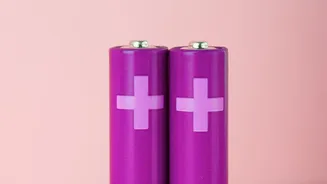
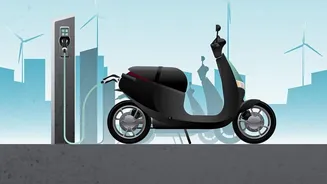
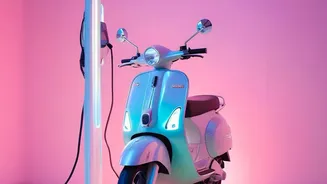
For the average buyer in India, the main factor preventing a switch from petrol to electric two-wheelers is the upfront cost. A significant portion of that cost—often 40% to 50%—is the battery pack alone. Current electric vehicles predominantly use lithium-ion
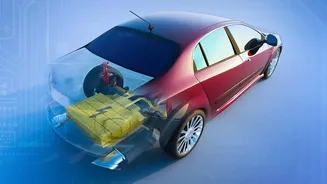
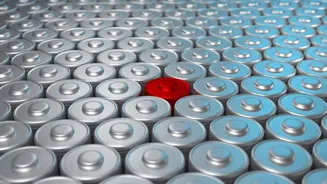
batteries. While they have served us well, they come with limitations. They use a flammable liquid electrolyte, which requires heavy and complex cooling and safety management systems to prevent overheating and potential fires. This adds weight, complexity, and, most importantly, cost to the final vehicle. Furthermore, the materials needed, like cobalt and nickel, have volatile supply chains and pricing, making it difficult to significantly reduce costs for entry-level models.
Enter the Solid-State Solution
This is where solid-state batteries (SSBs) come in as a potential game-changer. The core difference is simple but profound: they replace the flammable liquid electrolyte found in lithium-ion batteries with a solid material, such as a ceramic or polymer. This single change unlocks a cascade of benefits. The solid electrolyte is far more stable and not flammable, which immediately boosts safety. This enhanced safety means manufacturers can potentially eliminate the bulky and expensive thermal management systems required in today's battery packs, leading to a simpler, lighter, and ultimately cheaper design.
More Power, Less Cost
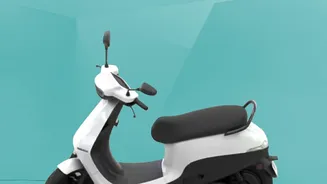
One of the most significant advantages of solid-state technology is its superior energy density. This means an SSB can store much more energy in the same amount of space, or provide the same energy in a much smaller and lighter package. For an entry-level electric scooter, this is revolutionary. A manufacturer could offer the same range as a current model but with a much smaller, lighter, and cheaper battery. Alternatively, they could provide a significantly longer range for the same price. This higher density, combined with the potential to use more abundant and less expensive materials, forms the foundation for reducing the sticker price of electric two-wheelers.
The Road to Mass Adoption
While the promise is immense, it's important to have realistic expectations. Currently, manufacturing solid-state batteries is significantly more expensive than producing lithium-ion cells due to complex processes and a lack of scale. Researchers and major companies like Toyota, Samsung, and BYD are in a global race to solve these manufacturing challenges. The consensus in the industry points to initial commercialisation in premium, high-end vehicles around 2027-2028. Mass-market adoption, where the costs come down enough to impact entry-level two-wheelers, is more likely to happen closer to 2030 and beyond. India is also part of this push, with research and collaborations aimed at being part of this next wave of battery technology.
What This Means For Your Next Scooter
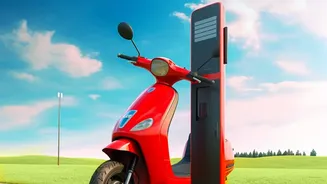
The transition won't happen overnight, but the path is becoming clearer. In the coming years, you can expect to see 'semi-solid' batteries that offer some of these benefits as a stepping stone. When fully solid-state batteries do arrive in the mainstream market, they will redefine what an affordable electric two-wheeler can do. Imagine a scooter that is not only cheaper to buy but also safer, more durable with a longer lifespan, and capable of charging much faster. Range anxiety could become a thing of the past, even for the most basic models. This technological leap is crucial for making clean, electric mobility a practical and accessible reality for millions across India, truly competing with and surpassing the economics of traditional petrol scooters.