



What is Ragi?
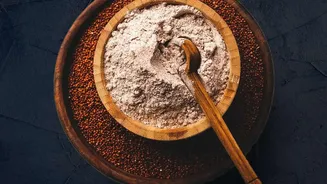
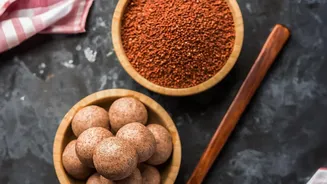
Ragi, also known as finger millet, is a hardy cereal that has been a staple in Indian diets for thousands of years, especially in southern India. Often referred to as a 'superfood', this humble grain is experiencing a resurgence in popularity as more
people seek out nutritious, whole-grain alternatives to processed foods. Naturally gluten-free, ragi has an earthy flavour and is incredibly versatile, used in everything from traditional porridge and rotis to modern-day dosas and crepes. Its robust nutritional profile makes it an ideal ingredient for anyone looking to boost their health.
The Nutritional Powerhouse
The health benefits of ragi are extensive, making it a fantastic addition to any meal, especially breakfast. It is one of the best non-dairy sources of calcium, crucial for maintaining strong bones and teeth and helping to prevent osteoporosis. Ragi is also rich in iron, which can help combat anaemia and boost energy levels. Its high dietary fibre content aids digestion, promotes feelings of fullness to assist with weight management, and helps regulate blood sugar levels, making it an excellent choice for individuals with diabetes. Furthermore, ragi is packed with protein and essential amino acids that many other cereals lack, supporting overall health and wellness.
Crafting the Perfect Ragi Crepe Batter
Making savoury ragi crepes, often called ragi dosa, is simpler than you might think. There are several methods, but a popular and easy one is the instant version which requires no lengthy fermentation. For this, you will need a few key ingredients: 1 cup of ragi flour, ½ cup of rice flour, and ¼ cup of fine semolina (rava). To this dry mix, add flavourings like finely chopped onions, green chillies, grated ginger, and fresh coriander leaves. Whisk everything together with about 4 cups of water and salt to taste until you have a thin, lump-free batter. The consistency should be runny, similar to that of a traditional rava dosa batter. Letting the batter rest for about 15-30 minutes allows the flours to hydrate properly, which results in a better texture.
Step-by-Step Crepe Creation
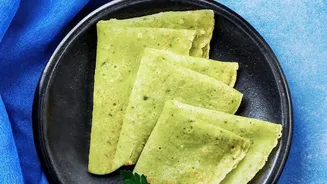
To cook the crepes, the pan must be very hot. Heat a non-stick or cast-iron tawa over a medium-high flame. You can test the readiness by sprinkling a few drops of water; if they sizzle and evaporate immediately, the pan is ready. Before pouring, give the batter a vigorous stir, as the solids tend to settle at the bottom. Pour a ladleful of the batter from the outside of the pan towards the centre to create a lacy, thin crepe. Don't try to spread it with the ladle. Fill in any large gaps with a little more batter. Drizzle a teaspoon of oil or ghee around the edges and cook for a couple of minutes until the edges start to lift and the crepe is golden and crisp. There is no need to flip it. Gently fold it over and serve immediately.
Serving and Variations
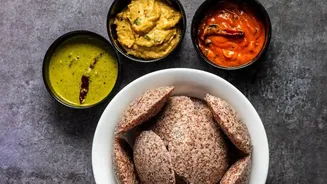
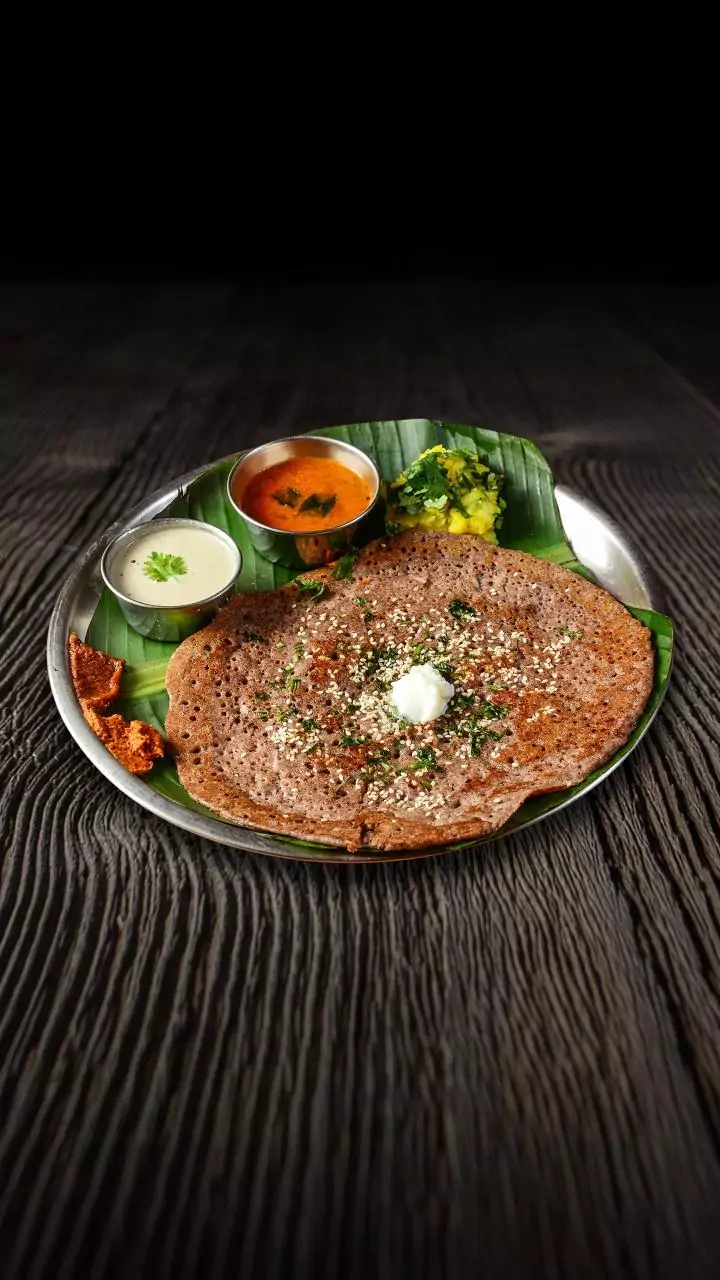
These savoury ragi crepes are wonderfully versatile. They are traditionally served hot with an assortment of chutneys, such as coconut, tomato, or mint chutney, and a side of sambar for a complete South Indian breakfast experience. For a more filling meal, you can add a stuffing before folding the crepe. Popular fillings include a spiced potato mixture (like in a masala dosa), crumbled paneer with herbs, or sautéed mixed vegetables. You can also experiment with the batter itself by adding other finely grated vegetables like carrots or beets for extra nutrients and a pop of colour.