




Lesson 1: Tune Into Nature’s Timing
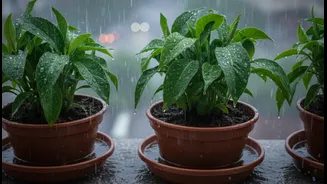
In agriculture, a 'planting window' is the optimal period to sow seeds for the best results, determined by temperature and moisture. The monsoon in cities like Bengaluru is a perfect example of this. The arrival of the rains signals a golden opportunity
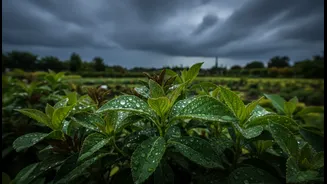
for gardeners. The scorching summer heat subsides, replaced by cooler temperatures between 20°C and 28°C. This, combined with high humidity and natural watering from the showers, creates an ideal environment for plants to establish strong roots without the stress of intense heat. Plants that may have struggled during the dry months suddenly find the conditions perfect for growth. This period of gentle, consistent moisture reduces transplant shock and helps seeds germinate more effectively, essentially giving your new plants a powerful head start.
Lesson 2: Choose Your Monsoon Champions
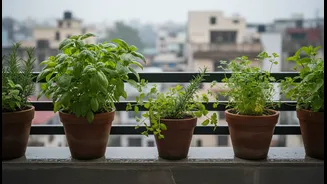
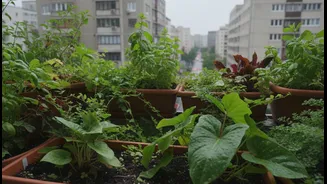
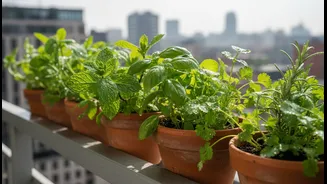
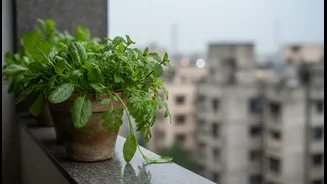
Not all herbs are created equal, especially when it comes to thriving in the damp and humid conditions of the Indian monsoon. The key is to select plants that love moisture. For any Indian balcony, a few choices are practically foolproof during this season. Tulsi (Holy Basil) is a must-have; it flourishes in the warm, humid weather and its medicinal properties are especially valued during a season known for coughs and colds. Mint (Pudina) is another easy winner, a fast-growing herb that loves moist soil and is perfect for chutneys and teas. Coriander (Dhania) also grows rapidly in the cooler, moist conditions, allowing for a fresh supply for your curries and garnishes. Finally, Lemongrass thrives in the rain, and its strong roots help it withstand the weather, providing a fresh, fragrant addition to your chai.
Lesson 3: Master the Art of Drainage
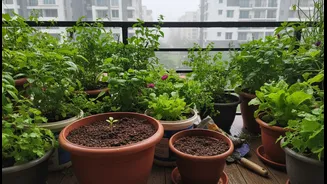
The single biggest mistake a balcony gardener can make during the monsoon is overwatering. While the rains are a blessing, they can also be a curse if your pots can't handle the excess moisture. When soil becomes waterlogged, it suffocates the plant's roots, leading to root rot, the most common cause of plant failure in the rainy season. The solution is simple: prioritize drainage. Before planting, ensure every pot has at least one, if not several, drainage holes at the bottom. If the holes are blocked, clear them out. Using a light, well-draining soil mix—a combination of garden soil, compost, and a bit of sand or cocopeat—is also crucial as it prevents compaction. For extra safety, you can even place your pots on small bricks or stands to elevate them slightly, allowing water to escape freely and preventing them from sitting in puddles.
Lesson 4: Balance Sunlight and Shelter
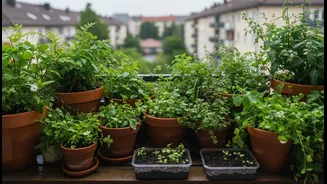
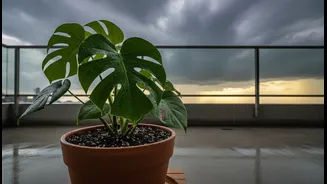
Monsoon skies are often overcast, but that doesn't mean your plants don't need light. Most herbs require at least four to six hours of sunlight to produce the essential oils that give them their flavour. An east-facing balcony that receives gentle morning sun is often perfect. At the same time, you must protect your herbs from the force of heavy downpours, which can damage delicate leaves and stems. If possible, move smaller pots to a sheltered spot during a particularly intense storm. Another related issue is overcrowding. While a lush, full balcony looks beautiful, packing plants too tightly reduces air circulation. This creates a damp microclimate where fungal diseases and pests can thrive. Ensure there is enough space between your pots for air to move freely, which helps leaves dry faster and keeps your plants healthier.