



The Rise of the Discerning Coffee Drinker
For generations, coffee in India meant either a comforting tumbler of filter 'kaapi' or a quick spoonful of instant powder. Today, in cities like Mumbai, Bengaluru, and Delhi, a new coffee culture has taken hold. Urban millennials and Gen Z, armed with
higher disposable incomes and global exposure, are seeking more from their daily brew. They are frequenting specialty cafés where coffee isn't just a beverage, but a conversation about craft and origin. This has fuelled a massive expansion in the specialty coffee market, creating a new generation of consumers who are curious about what’s in their cup.
The Allure of 'Single-Origin'
A key term in this new coffee vocabulary is 'single-origin'. Unlike blends, which combine beans from various places to create a consistent flavour, single-origin coffee comes from a specific farm or a small, defined region. This allows the unique characteristics of that particular place—its soil, climate, and altitude, often called 'terroir'—to shine through. For the new Indian coffee enthusiast, it offers a story and a sense of place. It’s the difference between buying a generic red wine and a Sula Zinfandel; you know where it comes from, and that story enhances the experience. The single-origin movement champions transparency and celebrates the distinct flavour profile that a specific estate can offer.
Chikmagalur: The Cradle of Indian Coffee
This is where Chikmagalur comes in. Nestled in the Western Ghats of Karnataka, this region is widely considered the birthplace of coffee in India. Legend says the Sufi saint Baba Budan planted the first seven coffee seeds here in the 17th century. Today, its high altitude, cool climate, and rich soil provide the perfect conditions for growing high-quality Arabica beans. These beans, often grown in the shade of other trees, mature slowly, developing a complex and desirable flavour. This agroforestry method not only produces better coffee but also promotes biodiversity.
A Flavour Profile Worth Seeking Out
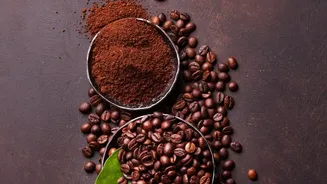
So what does a Chikmagalur Arabica taste like? It's prized for being smooth, aromatic, and having a mild, pleasant acidity. Roasters and cafes highlight notes of chocolate, nuts, and sometimes even citrus or floral undertones. This nuanced, less bitter profile is a perfect entry point for those moving away from mass-market coffee. It stands in contrast to the bold, strong flavour of Robusta beans, which are also grown in the region but are more often used for instant coffee and espresso blends. As urban palates become more refined, this elegant flavour profile of Chikmagalur's Arabica is precisely what they are looking for.
From Local Farm to Urban Café
The demand isn't just coming from consumers; it's being actively cultivated by a new wave of Indian roasters and café owners. Brands like Blue Tokai, Third Wave Coffee, and a host of micro-roasters are putting Indian single-origin beans front and center. They are building relationships directly with estates in Chikmagalur, ensuring quality and fair practices. By highlighting the origin on their packaging and menus, and by training their baristas to share these stories, they are educating customers and building pride in homegrown Indian coffee. This farm-to-cup traceability is a powerful trend, connecting the drinker in a city cafe directly to the farmer in the hills of Karnataka.