





The Science of Frosty Mornings
We’ve all seen it: a white blanket over the lawn or intricate patterns on a car windshield. This is frost, and it forms when water vapor in the air turns directly into ice without first becoming liquid water. This process is called deposition. For frost to appear,
a surface must be colder than the surrounding air and below the freezing point of water. The air must also contain enough moisture. When humid air comes into contact with these cold surfaces, the water vapor skips the liquid phase and deposits itself as the intricate ice crystals we recognize as frost. The specific temperature at which this happens is called the frost point, which is related to the air's humidity.
An Invisible Migration Made Visible
The appearance of these ice crystals is a clear signal that water vapor is on the move. Think of your freezer. The buildup of frost inside is a classic example. Warm, moist air enters when you open the door, and that moisture then deposits as ice on the cold surfaces inside. While harmless in a freezer, this same principle can have significant consequences elsewhere. Moisture migration is a constant, invisible process in our environment. Water vapor can move through porous materials, travel via air currents through tiny cracks, or be drawn up from the ground. The formation of frost is often the first and most obvious clue that this movement is happening.
Clues Within Your Home
In buildings, frost can be a warning sign. If you see frost forming on the inside of your windows, it indicates that warm, moist air from inside your home is coming into contact with a windowpane that's below freezing. This suggests high indoor humidity and potentially poor insulation. More seriously, moisture can migrate through walls and ceilings. In cold climates, if warm indoor air leaks into wall cavities and hits a cold outer surface, the water vapor can condense and freeze. This hidden interstitial condensation can lead to moisture damage, rot, and mould growth within the building structure, issues that are often invisible until significant damage has been done.
Whispers from the Soil
The phenomenon isn't limited to man-made structures. In the natural world, ice crystals can reveal what's happening beneath the ground. A phenomenon known as 'needle ice' or 'frost heave' occurs when moisture in the soil is drawn up to the freezing surface. As the water at the surface freezes, capillary action pulls more water up from below, which then freezes and pushes the existing ice upward, forming columns or needles of ice. This process can lift small pebbles and even damage plant roots. For farmers and gardeners, understanding this movement of water is crucial. It shows that even in freezing conditions, water within the soil is not static; it is actively moving towards the cold front, which has major implications for soil structure and plant life during winter months.
From the Ground to the Atmosphere
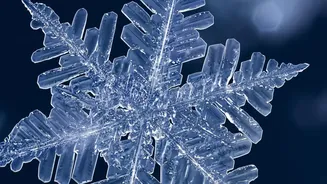
The principles of deposition and sublimation (ice turning directly to vapor) are fundamental to our planet's water cycle and weather systems. The formation of ice crystals in clouds, for example, is a key process for precipitation. These crystals grow as water vapor deposits onto them, eventually becoming heavy enough to fall as snow or rain. The amount and type of ice crystals in the upper atmosphere can even influence the Earth's climate by affecting how much solar radiation is reflected back into space and how much heat is trapped. It all starts with the same basic physics you can observe on a frosty morning, demonstrating a powerful link between the microscopic and the global.