




Before You Leave: Information is Power
The single most important monsoon habit is to check conditions before you step out. Heavy showers can cause sudden waterlogging and transport disruptions. Follow official sources like the Brihanmumbai Municipal Corporation (BMC) and Mumbai Police on social
media for real-time alerts on rainfall, waterlogged areas, and traffic diversions. When red or orange alerts are issued, authorities often advise residents to stay indoors unless travel is absolutely essential. Planning your route with traffic apps can also help you avoid the worst of the congestion that inevitably accompanies a downpour. A few minutes of research can save you hours of being stuck on the road.
Navigating the Local Trains
Mumbai's local trains are its lifeline, but they demand extra caution during the monsoon. Wet platforms, staircases, and foot overbridges become extremely slippery. Rushing to catch a departing train is always risky, but it's especially dangerous when surfaces are wet; it's better to wait for the next one. Be aware that even if services are running, they may be delayed due to signal issues or water on the tracks. Central Railway and Western Railway often undertake pre-monsoon work to mitigate flooding at critical spots, but severe rainfall can still overwhelm the system. Using apps that provide live train tracking can help you manage your time and inform your family of your whereabouts.
Tips for Driving and Walking
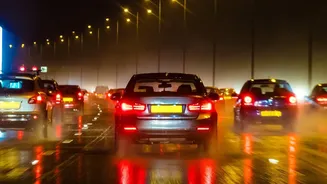
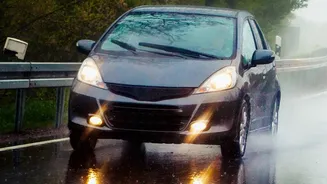
If you're driving, the golden rule is to avoid waterlogged streets. It's impossible to see hidden potholes, open manholes, or debris lurking beneath the surface. If you must drive through water, do so at a slow, steady pace without stopping to prevent water from entering the exhaust. If your car stalls, do not attempt to restart it, as this can cause severe engine damage. Check your vehicle’s vitals—tyres, brakes, and wipers—before the season begins. For pedestrians, wading through floodwater can expose you to leptospirosis and other infections. Also, be extremely cautious of electrical poles and wires, as electrocution is a serious risk.
Your Monsoon Commuter Kit
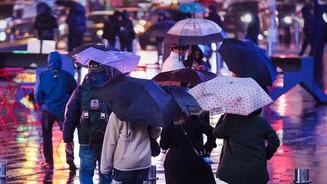
A well-packed bag can be a lifesaver during a monsoon commute. A sturdy umbrella and a reliable raincoat are non-negotiable. Opt for waterproof footwear like sandals or floaters to navigate puddles without ruining your shoes. Given that your journey could take much longer than expected, a fully charged power bank is essential to keep your phone running. It's also wise to keep electronics in a waterproof pouch or dry bag. Carrying a small towel and perhaps a change of socks can make a huge difference to your comfort upon reaching your destination. Having some cash on hand is also a good idea in case digital payments are down due to network issues.
Staying Healthy on the Go
The monsoon brings a heightened risk of water-borne and vector-borne diseases. One of the best ways to stay healthy is to avoid street food, as tempting as it may be. Your digestive system can be more vulnerable during this season, making home-cooked meals a safer option. Always carry your own bottle of boiled or filtered water. Personal hygiene is also crucial; wash your hands and feet thoroughly with soap and water after commuting, especially if you've walked through rainwater. Wearing dry clothes and keeping your skin dry can help prevent fungal infections, which are common in the damp weather. A strong immune system is your best defence, so ensure you get adequate sleep and maintain a balanced diet.