

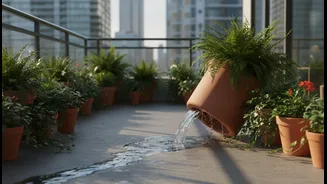


The Hidden Dangers of a Wet Balcony
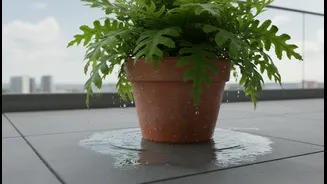
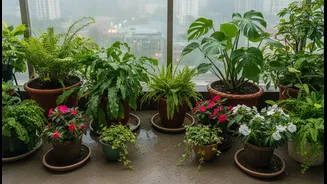
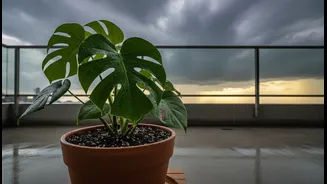
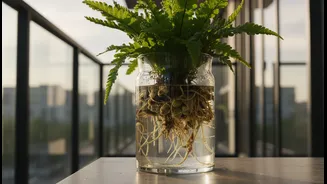
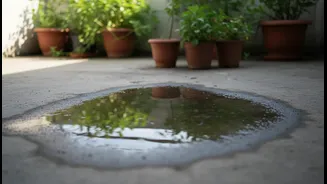
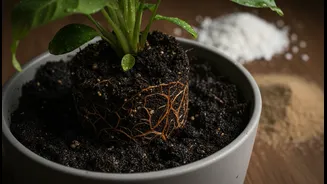
That bit of standing water after a heavy rain might seem harmless, but it’s a sign of trouble. Poor drainage is more than just an inconvenience; it poses significant risks. For your plants, waterlogged soil means root rot, a common and often fatal condition
where roots are deprived of oxygen. For your home, persistent moisture can be destructive. Water can seep into tiny cracks in concrete or tile grout, leading to long-term structural damage. Over time, this can cause peeling paint, rust on railings, and even compromise the balcony's structural integrity. You might notice white, chalky deposits called efflorescence on concrete, a clear sign that water is seeping through and leaving salt minerals behind.
Identify the Source of the Problem
Before you can fix the issue, you need to play detective. The most common culprit is a blocked drainage outlet. Leaves, dirt, and other debris can easily clog the small drains found on most balconies. Another frequent issue is an improper slope. Balconies should be designed with a slight angle to guide water towards the drain, but this isn't always the case, leading to pooling water. In some situations, the problem might be cracks in the concrete surface or failing waterproof membranes, which allow water to penetrate instead of running off. Observe your balcony during and after rain. Where does the water collect? Does it drain slowly or not at all? Identifying these patterns will point you to the right solution.
Simple Fixes for Better Water Flow
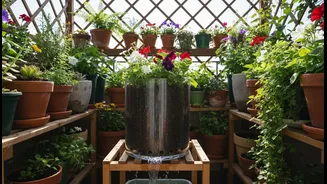
For many, the fix is surprisingly simple. Start by clearing any debris from your balcony drain. A quick sweep and removal of gunk can often restore flow immediately. If the issue is with your plant pots themselves, the solution is just as straightforward. Never let your pots sit flat on the balcony floor. Elevating them, even by a few millimetres, allows water to escape freely and air to circulate underneath. You can use commercial 'pot feet' or even simple items like bottle caps or small wood blocks. Ensure every pot has drainage holes. If you have a decorative pot without one, use it as a cachepot by placing a smaller, functional pot with holes inside.
Upgrading Your Balcony Surface
If you have persistent pooling water due to a poor slope, you might need to think about the surface itself. A popular and effective DIY solution is installing interlocking deck tiles. These tiles, often made of wood or composite material, are raised on a plastic base. This design allows water to flow freely underneath the walking surface and find its way to the drain, instantly solving the pooling problem. They come in a variety of styles and are typically easy to install without professional help. For more serious issues like a significant incorrect slope or large cracks, it’s best to consult a professional. Attempting major structural changes can be complex and may be governed by building regulations.
Smarter Potting for a Healthier Garden
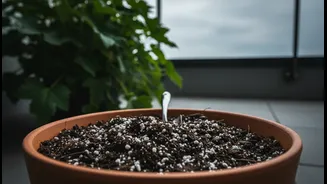
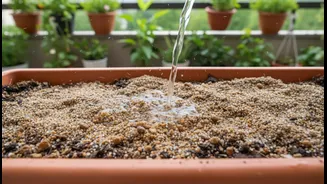
Solving your balcony's drainage is half the battle; the other half happens inside the pot. A common mistake is to add a layer of gravel to the bottom of planters. This does not improve drainage; it simply raises the water table and forces plant roots to sit in a soggier environment. Instead, focus on using a lightweight, high-quality potting mix designed for containers. These mixes are formulated to retain moisture without becoming compacted and waterlogged. When you water, do so thoroughly until water runs out of the bottom, then allow the pot to drain completely before placing it back in its saucer. This ensures your plants get the hydration they need without risking root rot.