



A New Ritual Unfolds
Step into a chic café in Mumbai or Bengaluru on any given afternoon, and you might find a scene that’s both familiar and new. The leisurely pace and convivial chatter of afternoon tea remain, but the tiered stands might now be accompanied by tall, glistening
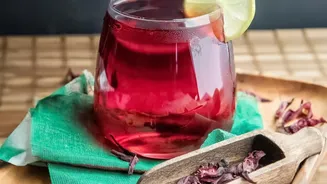
glasses filled with jewel-toned liquids. These are cold-brewed botanical blends, and they represent a significant shift in how urban Indians are approaching the beloved tea-time ritual. Instead of the traditional hot black tea with milk, a new generation is opting for infusions of hibiscus, chamomile, lavender, and mint, slowly steeped in cold water for hours. This isn’t a replacement of the old guard but a vibrant, modern reinterpretation.
What Exactly Is a Cold-Brewed Botanical?
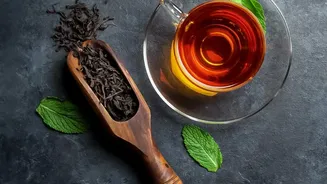
Unlike traditional tea made from the Camellia sinensis plant, botanical blends (also known as tisanes) are infusions of flowers, herbs, fruits, and spices. The 'cold brew' method involves steeping these ingredients in cold or room-temperature water for an extended period, typically 6 to 12 hours. This slow extraction process works wonders. It draws out the delicate flavours and aromas while leaving behind the bitter-tasting tannins that hot water can release. The result is a drink that is exceptionally smooth, naturally sweeter, and less astringent, allowing the complex notes of ingredients like Darjeeling first flush, jasmine, or even Kashmiri Kahwa spices to shine through.
Driven by Wellness and Health
This trend is perfectly aligned with a broader wellness wave sweeping across urban India. Consumers are increasingly seeking out healthier, low-sugar, and natural alternatives to sugary sodas and packaged juices. Cold-brewed botanical teas fit the bill perfectly. Many are naturally caffeine-free and are appreciated for their functional benefits, rooted in ancient Ayurvedic practices. An infusion with chamomile and lemongrass is seen as calming, while a mint and ginger blend is considered refreshing and digestive. This shift towards functional beverages, which offer benefits beyond simple refreshment, is a key driver of their popularity.
An Experience Designed for the Digital Age
There’s no denying the visual appeal. With their vibrant colours—deep reds from hibiscus, sunny yellows from chamomile, and cool greens from mint—and often served with artisanal ice and fresh garnishes, these drinks are incredibly photogenic. In an era where dining experiences are shared online, the 'Instagrammable' nature of cold-brewed teas has significantly fuelled their rise, particularly among Millennial and Gen Z consumers. It transforms the afternoon break into a shareable, aesthetically pleasing moment that aligns with a modern, globalised lifestyle while still feeling rooted in the culture of taking time for tea.
Evolution, Not Replacement
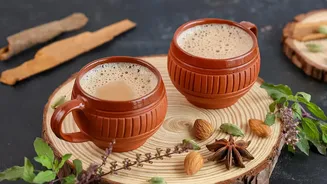
While cutting chai and traditional masala chai will forever be the heartbeats of Indian tea culture, the rise of cold botanical blends is not a threat. Instead, it’s an evolution. It keeps the cherished social ritual of afternoon tea relevant and exciting for a new generation with different tastes and priorities. It provides a sophisticated, complex non-alcoholic option for social gatherings, a category seeing massive innovation. By adapting and innovating, café owners and artisanal tea brands are ensuring that the tradition of pausing for a cup of tea—hot or cold—continues to thrive in the fast-paced life of India's metros.