





The Scroll-to-Stomach Dilemma
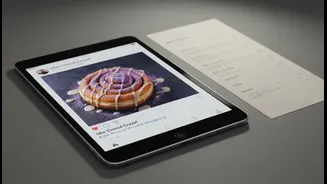
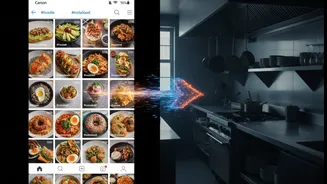
It starts with a scroll. A Reel of cinematic street food, a slow-motion cheese pull, or a fusion dish so creative you have to watch it twice. In seconds, platforms like Instagram have become India's primary engine for food discovery, creating instant,
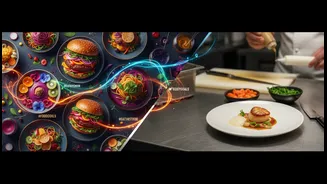
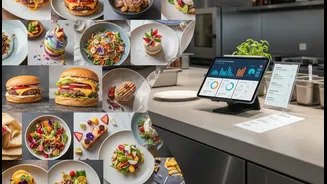
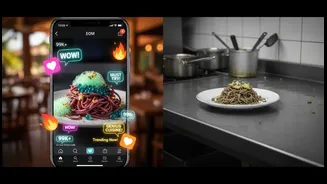
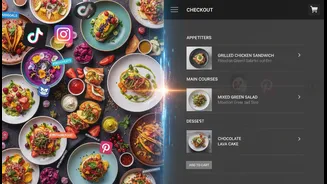
widespread cravings for everything from hot honey paneer toast to elaborate, oversized thalis. Trends now move at the speed of a share, creating a unified national appetite for dishes that, just weeks before, may not have existed. Consumers, especially younger diners, now choose restaurants based on what looks good online, prioritizing the experience they have already seen on their screens. This “camera eats first” culture means a dish’s visual appeal is as important as its taste, turning social media not just into a source of inspiration, but the starting point for the entire dining decision.
The Restaurant's Reality Check
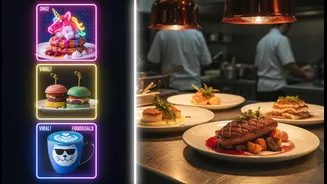
While a home cook can try a viral recipe in minutes, a restaurant operates on a completely different timeline. A menu is a promise of consistency, quality, and availability. Adding even a single new dish is a complex operational challenge. It involves sourcing reliable ingredients, which can be a hurdle, especially for trendy or non-local items. Staff, from the chefs to the servers, need to be trained on preparation, plating, and the story behind the dish. Furthermore, a restaurant's brand identity is closely tied to its menu. An established eatery known for classic Awadhi cuisine can't suddenly pivot to selling Korean corn dogs without creating brand confusion and alienating its loyal customer base. The risk is that by the time a restaurant perfects and launches a trendy dish, the internet has already moved on to the next big thing.
The Economic Hurdles of Hype
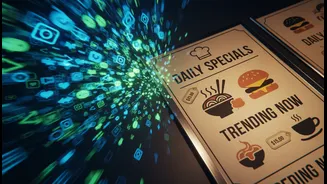
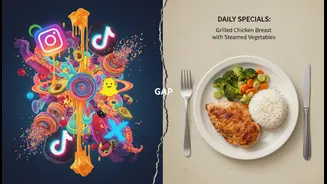
Beyond branding and training, the economics of chasing trends can be brutal. Restaurants operate on notoriously thin margins, and every menu item is a careful calculation of food cost, labour, and potential waste. Investing in ingredients and training for a dish with a short, unpredictable lifespan is a significant financial gamble. If the trend fizzles out, the restaurant is left with unusable inventory and wasted resources. Reports suggest that frequent menu reprinting alone is a notable cost, and many operators are already removing items to cope with rising food costs. As a result, many established restaurants prefer to stick with a core menu they can execute flawlessly and profitably, using a limited-time 'specials' board to test new ideas without committing their entire operation to a fleeting fad.
Bridging the Gap: The Agile Innovators
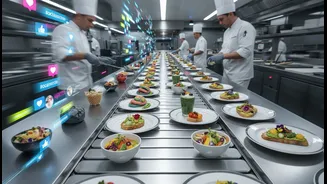
The gap between online cravings and offline menus has created a massive opportunity for a new breed of food businesses. Cloud kitchens and delivery-first brands are perfectly positioned to capitalize on fast-moving trends. With lower overheads, no dine-in space to manage, and a business model built on digital marketing, they can launch, test, and pivot menus with incredible speed. These businesses often use Instagram as their primary storefront, turning viral content directly into orders. Some influencers are even launching their own creator-led food brands, leveraging their online following to create instant demand. This agility allows them to satisfy the public's desire for novelty, serving up the latest trending dishes while larger, more traditional restaurants are still in the planning phase, effectively closing the social-to-menu gap for those who know where to look.