




There's nothing like the feeling of fresh hair color. But the frustration is real when that vibrant shade starts to fade after just a few washes. The secret to longer-lasting color might be simpler than you think: it's all in how you wash.
The Science of a Strand
To understand
why harsh scrubbing is the enemy of fresh color, you first need to know how hair works. Each strand is protected by an outer layer called the cuticle, which looks like overlapping scales or shingles on a roof. When you color your hair, this cuticle layer has to lift to allow the dye molecules to penetrate the inner part of the hair, the cortex. After coloring, the goal is to keep that cuticle layer as flat and sealed as possible. When the cuticle is sealed, it locks the color molecules in. When it’s lifted or damaged, those molecules can easily escape every time your hair gets wet, leading to faded, dull color.
What 'Harsh Scrubbing' Really Means
Harsh scrubbing isn't just about using too much elbow grease. It’s a combination of factors that create friction and stress on the hair. This includes piling your hair on top of your head and rubbing it into a lather, scrubbing aggressively with your nails, or using scalding hot water. Hot water is a major culprit; it causes the cuticle to swell and open, creating a direct escape route for your color. Vigorous friction, especially when hair is wet and at its most vulnerable, can also rough up and damage the cuticle, further accelerating color loss.
The Gentle Washing Technique
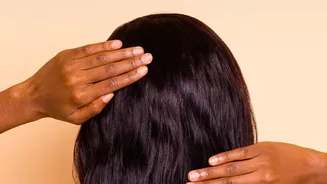
The right way to wash color-treated hair is to focus on your scalp, which is where oils and dirt actually accumulate. Instead of scrubbing the lengths of your hair, gently massage a color-safe, sulfate-free shampoo onto your scalp using your fingertips, not your nails. The lather that rinses down through your hair is enough to cleanse the ends without the need for direct, aggressive scrubbing. This targeted approach cleans your hair effectively while minimizing the friction and stress on the fragile, color-treated strands, keeping the cuticle smoother and the color locked in.
Turn Down the Temperature
One of the easiest and most effective changes you can make is to wash your hair with lukewarm or cool water instead of hot. While a steaming hot shower might feel relaxing, it’s actively working against your hair color. Cooler water helps keep the hair cuticle closed, which not only preserves your color but also helps retain moisture and enhance shine. You don’t need an icy rinse to get the benefits; simply turning the temperature down a few notches makes a significant difference. A quick, cool rinse at the very end is a great final step to seal the cuticle completely.
Choose Your Products Wisely
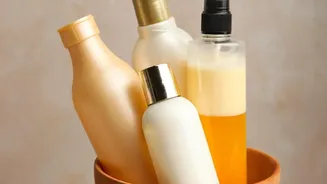
The products you use are just as important as your technique. Shampoos containing sulfates are powerful detergents that can strip color molecules from the hair shaft. Always opt for shampoos and conditioners specifically labeled 'color-safe' and 'sulfate-free'. These formulas are designed to cleanse gently without lifting the cuticle. Additionally, always follow your shampoo with a conditioner, focusing on the mid-lengths and ends. Conditioner helps to smooth the cuticle, add a protective barrier, and replenish moisture lost during the coloring process.
Wash Less, Live More
Even with the gentlest technique, water is color's worst enemy. Every wash will cause a small amount of color to fade, so extending the time between washes is a key strategy. Try to shampoo just two or three times a week. On in-between days, a good dry shampoo can be your best friend, absorbing oil at the roots and adding volume to keep your hair looking fresh without getting it wet. This reduces your hair’s overall exposure to water and cleansing agents, giving your color the best possible chance to last.