



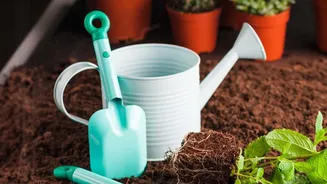
Post-Monsoon Cleanup and Soil Prep
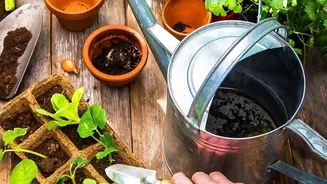
The heavy rains can compact soil in pots and beds, making it hard for roots to breathe. Your first task is a thorough cleanup. Remove any fallen leaves, weeds, or debris that might be sheltering pests or fungal diseases. Gently loosen the topsoil with
a small rake or fork to improve aeration. This is also the ideal moment to replenish nutrients washed away by the rain. Mix in a generous amount of well-rotted compost, vermicompost, or manure into your pots and garden beds. This will provide the foundation your plants need for healthy winter growth.
Sow Your Winter Flower Seeds
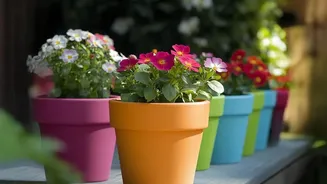
If you dream of a balcony bursting with colour this winter, now is the time to act. October's mild temperatures are perfect for sowing winter flower seeds. Marigolds (Genda) are an easy and rewarding choice, known for their bright blooms and pest-repelling properties. For cascading beauty in hanging baskets, consider Petunias. Other excellent options for Indian winters include Chrysanthemums, Calendula, Pansies, and Dianthus. Sow them in well-drained soil, provide adequate sunlight, and you'll be rewarded with a spectacular floral display from December through March.
Plant Your Winter Vegetable Patch
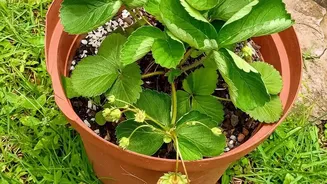
October marks the beginning of the Rabi season, the prime time for growing a variety of delicious vegetables. Leafy greens are a great start; you can sow seeds for Spinach (Palak), Fenugreek (Methi), and Coriander (Dhania). These grow quickly and can often be harvested multiple times. It’s also the perfect time to plant root vegetables like Carrots (Gajar) and Radishes (Mooli) in deep pots or grow bags. For a longer harvest, consider planting tomatoes, peas, cauliflower, and cabbage, which will provide fresh produce well into the winter months.
Prune and Tidy Existing Plants
Your perennial plants, like hibiscus and roses, will benefit from a light pruning session. Snip away any dead, damaged, or diseased branches to encourage healthy new growth. Removing yellowed leaves and spent flowers not only makes your plants look tidier but also redirects their energy into producing new blooms and foliage. This is also a good time to check on any creepers or vining plants and provide them with better support or trim them back to a manageable size.
Watch for Post-Monsoon Pests
High humidity and moisture during the monsoon create a breeding ground for pests. In October, as things dry out, you might notice an increase in sap-sucking insects like aphids, mealybugs, and whiteflies. Snails and slugs are also common after the rains. Inspect your plants regularly, especially the undersides of leaves and new shoots. For most common pests, a simple spray of neem oil mixed with a few drops of liquid soap and water is an effective organic solution. Placing crushed eggshells around the base of plants can deter snails.
Adjust Your Watering Schedule
With the monsoon gone and lower humidity levels, your watering routine needs to change. Don't continue watering with the same frequency as you did during the dry summer months. The soil will retain moisture for longer now. The golden rule is to check the soil before you water. Stick your finger about an inch into the soil; if it feels dry at that depth, it's time to water. Overwatering is a common problem post-monsoon and can lead to root rot, so it's always better to be cautious.