








Start with the Seals and Packaging
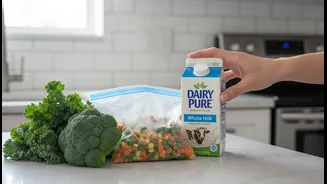
The first line of defence against contamination is the product's packaging. Before anything else, inspect the seals on all items like jars, bottles, and tubs. A broken or loose safety seal is a major red flag that the product may have been opened or tampered
with. For plastic-wrapped items, look for any tears, punctures, or signs that the wrap has been resealed. Also, check the condition of boxes and bags. Crushed boxes can compromise the inner packaging, while a swollen or bulging can or pouch can indicate gas production from harmful bacteria and should be discarded immediately. Being vigilant about packaging integrity is a crucial first step in ensuring the food you receive is safe to consume.
Decode the 'Best Before' and 'Expiry' Dates
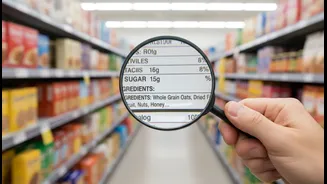
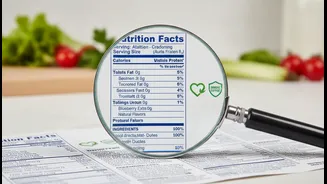
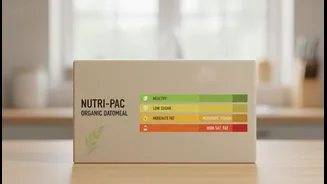
Understanding date labels is critical. In India, the FSSAI provides clear definitions for 'Best Before' and 'Expiry Date'. The 'Best Before' date is about quality—the product will be at its peak freshness, flavour, and nutritional value until this date. It may still be safe to eat afterwards, but the quality might decline. The 'Expiry Date' or 'Use By' date, however, is a safety deadline. Consuming food past its expiry date is unsafe and can pose health risks due to bacterial growth. For quick-commerce deliveries, FSSAI guidelines state that products must have a substantial portion of their shelf life remaining, often defined as at least 30% or 45 days before expiry. If you receive items like bread or milk with only a day or two left, you have a right to question it.
Perform the Critical Temperature Test
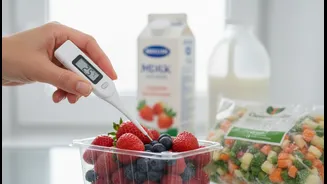
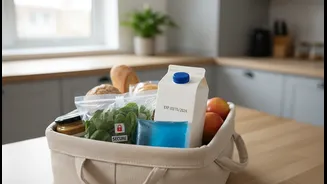
For perishable goods like milk, paneer, yogurt, meat, and frozen items, temperature is non-negotiable. These products rely on an unbroken 'cold chain'—a consistent, temperature-controlled journey from the warehouse to your home—to prevent spoilage. When your order arrives, feel these items immediately. They should be distinctly cool or cold to the touch. Frozen products should be solid, with no signs of having thawed and been refrozen (like ice crystals forming inside the package). If a carton of milk or a packet of cheese feels lukewarm or at room temperature, the cold chain has likely been broken, creating a risk of bacterial growth. Do not consume such items.
Inspect Fresh Produce with Your Senses
When you can't pick your own fruits and vegetables, a quick sensory check upon delivery is essential. Look for any obvious signs of decay on produce. Check for mushy spots on tomatoes, wrinkled skin on peppers, or a slimy texture on leafy greens. Mould, dark spots, and discoloration are clear indicators that the item is past its prime. Trust your sense of smell as well; a fermented or unpleasant odour is a sure sign of spoilage. While some cosmetic imperfections are normal, you should not accept produce that is clearly rotting or wilting.
What to Do When Something is Wrong
If you find a problem with any item, act immediately. Do not consume or even taste food you suspect is spoiled or tampered with. The first step is to document the issue. Take clear photos or a video showing the problem, whether it's a broken seal, a past expiry date, or visible spoilage. Make sure the product label and batch number are visible in your photos. Next, use the customer support feature within the quick-commerce app to report the issue. Select the relevant order and upload your evidence. Be clear and concise in your description of the problem. If the in-app support is unhelpful, escalate the matter by sending a formal email to the company’s customer service address, creating a written record of your complaint. For serious food safety concerns, you can also file a complaint with the FSSAI through its 'Food Safety Connect' portal.