









What is an Urban Heat Island?
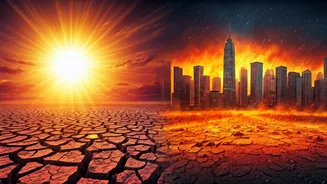
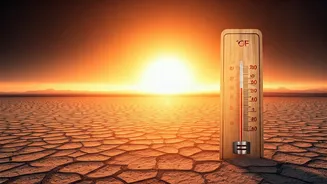
An urban heat island (UHI) is a metropolitan area that is significantly warmer than its surrounding rural areas. This temperature difference can be substantial, with cities sometimes experiencing daytime temperatures up to 7°F warmer and nighttime temperatures up to 5°F
warmer than their leafy counterparts. This phenomenon occurs because the built environment of cities—the roads, buildings, and other infrastructure—absorbs and re-emits the sun's heat more than natural landscapes like forests and water bodies. As cities like Delhi, Mumbai, and Bengaluru continue to expand, this effect is becoming a major concern.
The Day Shift: A City-Sized Heat Sponge
During the day, our cities act like massive sponges for solar radiation. The primary culprits are the dark, non-reflective surfaces that dominate the urban landscape. Materials like asphalt, concrete, and traditional dark roofing have a low albedo, meaning they absorb more sunlight and reflect less. While a field or forest uses sunlight for photosynthesis and cools the air through evapotranspiration (the release of water vapour from plants), a parking lot or a dense cluster of buildings simply soaks up the heat. The vast expanses of these heat-absorbing materials ensure that cities spend the entire day storing up thermal energy.
The Night Shift: Why the Heat Doesn't Leave
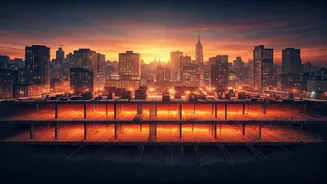
The real trap is sprung after sunset. While rural areas cool off relatively quickly once the sun is gone, cities begin to slowly release the massive amount of heat they have stored all day. The concrete, brick, and asphalt that were absorbing heat now radiate it back into the air, keeping temperatures elevated long into the night. This effect is compounded by the very shape of our cities. The tall buildings and narrow streets create what's known as an "urban canyon," which traps the re-radiated heat and obstructs wind that could otherwise help cool the area. Furthermore, waste heat from air conditioners, vehicles, and industrial processes adds to the warmth, creating a feedback loop where our attempts to cool our indoor spaces make the outdoor environment even hotter.
More Than Just Discomfort
Persistently high nighttime temperatures are not just uncomfortable; they pose significant health risks. Our bodies need to cool down and recover from daytime heat, a process that is severely hampered when nights remain warm. This increases the risk of heat-related illnesses such as heat exhaustion and heat stroke, particularly for vulnerable populations like the elderly, children, and those with chronic health conditions. The elevated temperatures also worsen air quality by accelerating the formation of ground-level ozone, a harmful pollutant that can aggravate respiratory issues like asthma. Beyond health, the UHI effect places immense strain on energy grids as the demand for air conditioning soars, leading to higher electricity consumption and cost.
Can We Engineer a Cooler Future?
Mitigating the urban heat island effect requires a conscious shift in how we design and build our cities. One of the most effective strategies is increasing green infrastructure. Planting more trees and creating parks and green roofs provides shade and cools the air through evapotranspiration. Another key approach is the use of 'cool' materials with higher reflectivity for roofs and pavements, which absorb less solar energy. Thoughtful urban planning that promotes airflow through 'ventilation corridors' and avoids creating dense urban canyons can also make a significant difference. Cities across India are beginning to explore these strategies, developing Heat Action Plans that incorporate greening initiatives and sustainable building practices to create more liveable and resilient urban environments.