



From Burnout to 'Booking Burnout'
India has some of the highest rates of workplace burnout globally, with a significant number of employees reporting symptoms of stress and exhaustion. This relentless pressure has created a workforce that is often described as 'vacation-deprived'. The
traditional annual holiday, once a far-off goal, now often feels impractical amidst tight deadlines and the fear of falling behind. This has led to a phenomenon some call 'booking burnout', where even the process of planning a trip becomes a source of stress. Many professionals return from packed holidays feeling even more tired than when they left, defeated by travel logistics and overstuffed itineraries. The very idea of a vacation, meant to be a respite, was becoming another high-pressure project.
The Rise of the Micro-Vacation
In response, a new travel philosophy is taking hold: the micro-vacation. These are short, intentional trips, typically lasting two to four days, designed for maximum rest with minimal disruption. Instead of one long annual holiday, professionals are opting for multiple short breaks spread throughout the year. This approach provides more frequent recovery windows, preventing stress from accumulating. Travel platforms have seen a significant spike in bookings for long weekend getaways, with some reporting a 40% year-on-year increase. The goal is no longer to see everything, but to genuinely disconnect, even for just a couple of days.
Location, Location, Relaxation
This shift is also changing where people go. The exhausting ten-hour drive or chaotic airport experience is being swapped for destinations closer to home. The 'nearcation'—a getaway within a 3-4 hour drive—is booming. City dwellers are exploring nearby hill stations, beaches, and heritage towns like Alibaug and Lonavala near Mumbai, the Neemrana fort near Delhi, or Coorg and Chikmagalur near Bengaluru. The logic is simple: less time spent in transit means more time for relaxation. This trend is bolstered by improved road connectivity and the growing availability of boutique homestays and private villas in previously overlooked rural areas.
Wellness as the Destination
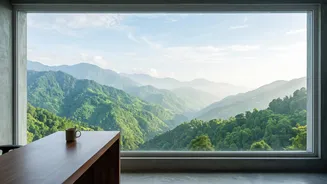
Today's weekend trips are becoming less about sightseeing and more about healing. In 2026, wellness tourism has become a driving force in the travel industry, with travellers actively seeking experiences that restore mental and physical health. This goes beyond a simple spa massage. People are choosing retreats focused on yoga, meditation, digital detoxes, and nature immersion. The motivation is to trade digital fatigue and urban noise for quiet, gentle rhythms and mindful recovery. Hotels and resorts are responding, with many now curating holistic wellness programs, transforming their properties into destinations for intentional rest.
The Blurring Lines of Work and Play
Flexible and remote work policies have added another layer to this trend. The rise of the 'workation' or 'bleisure' trip allows professionals to blend their work commitments with leisure. By extending a work trip through the weekend or temporarily relocating to a scenic spot, the pressure to take formal leave is reduced. This flexibility encourages more spontaneous and frequent travel. People can handle meetings during the day and explore a new environment in the evenings, turning a regular work week into a refreshing experience that boosts productivity and combats the monotony of a home office.