





The New Cafe Darling
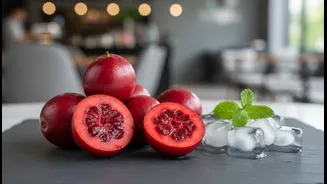
Once confined to coastal curries and grandmother’s digestive remedies, kokum is having a serious moment in the spotlight. Across India's bustling cities, trendy cafes and bars are embracing this humble fruit, transforming it into sophisticated coolers,
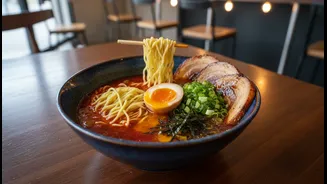
artisanal sodas, and even complex cocktails. Bartenders are infusing spirits like gin and tequila with its fruity acidity, while chefs are experimenting with it in everything from salad dressings to chilled ramen broths. This isn't just about a new flavour; it's about a rediscovery. This ruby-hued fruit, scientifically known as Garcinia indica, is being celebrated for its versatility, natural colour, and a uniquely Indian story that resonates with a new generation of diners eager for authenticity.
But First, What Is Kokum?
Before it was a craft cocktail ingredient, kokum was a cornerstone of coastal Indian life, particularly in Maharashtra, Goa, and Karnataka. Native to the Western Ghats, this small, plum-like fruit has been a staple souring agent for centuries, cherished for a flavour profile that is tart, slightly sweet, and less aggressive than tamarind. Traditionally, the outer rind of the fruit is sun-dried, turning it a deep purplish-black. These dried skins, known as 'amsul', are then added whole to fish curries and lentil dals to impart a distinctive pinkish hue and a complex sourness. Beyond the kitchen, it's the base for two iconic drinks: the refreshing kokum sherbet, a simple sweet-and-sour cooler, and sol kadhi, a soothing digestive of kokum extract and coconut milk often served with meals.
The Original Superfood
Part of kokum's modern appeal lies in its well-documented health benefits, which have been recognized in Ayurveda for generations. Traditionally known as a natural cooling agent, it was consumed to combat heat and dehydration. Modern science backs up this traditional wisdom, highlighting the fruit's rich antioxidant properties. The rind is packed with Garcinol, an antioxidant, and hydroxycitric acid (HCA), a compound that has been studied for its potential role in weight management by helping to suppress appetite. It's also lauded for its anti-inflammatory properties and its role as a digestive aid, helping to soothe acidity. In a world increasingly focused on wellness and functional foods, kokum’s health halo makes it a natural fit for today's conscious consumer.
Beyond Sol Kadhi: The Modern Makeover
The real story is how chefs are liberating kokum from its traditional roles. The new culinary movement isn't about replacing classics like sol kadhi but expanding the fruit's repertoire. Chefs are discovering its potential in unconventional formats. You might find kokum-infused oil drizzled over a flatbread, its tangy concentrate blended into a no-bake cheesecake, or its powder used as a seasoning for crispy pork snacks. The versatility is astounding, with its various forms—dried rinds, syrups, powders, and concentrates—offering different possibilities for dressings, marinades, broths, and even desserts. This creative explosion is fuelled by a broader shift in Indian cuisine: a confident look inward to rediscover and elevate indigenous ingredients rather than constantly borrowing from global pantries.
The Context You Were Missing
So, when you sip that modern kokum cooler, you're tasting more than just a tangy fruit. You're experiencing a story of cultural revival. This trend is about more than just flavour; it represents a connection between urban consumers and the agricultural roots of the Konkan coast. By elevating kokum, chefs and restaurateurs are creating renewed interest and economic value for a fruit that has been a way of life for small-scale farmers and tribal communities for generations. It signifies a generation of Indians reconnecting with their heritage on their own terms—finding pride in local ingredients and ensuring that traditional knowledge doesn't just survive but thrives in a contemporary world. It's a celebration of provenance, where the story behind the ingredient is as important as the taste itself.