



A Ritual Reimagined for the Digital Age
Once a weekly ritual administered by mothers and grandmothers, hair oiling has found a new, global audience thanks to social media. From TikTok influencers demonstrating their pre-shampoo routines to celebrities like Deepika Padukone and Alia Bhatt sharing
their hair-care secrets, the practice has been rebranded for a new generation. This modern resurgence isn't just about tradition; it's deeply intertwined with the 'clean beauty' and wellness movements. As consumers become more sceptical of long, chemical-laden ingredient lists, the simplicity of using natural oils like coconut, almond, or amla is incredibly appealing. It’s seen as an authentic, gentle, and effective way to care for hair, shifting from a homespun remedy to a covetable self-care ritual.
More Than Just a Trend: The Power of Nostalgia
For many Indians, the smell of warm coconut or jasmine oil is a potent form of nostalgia. It evokes memories of childhood, of sitting on the floor while a grandparent patiently worked the oil into your scalp, detangling knots and worries alike. This practice, known as 'champi' in many parts of the country, has deep roots in Ayurveda, the ancient Indian system of medicine. It was never just about hair; it was a bonding experience, a moment of connection, and an act of care. In a fast-paced world, the return to hair oiling is also a return to this slower, more intentional form of self-care. It’s a way of reconnecting with our heritage and the simple, profound wisdom that has been passed down through generations. It feels less like a trend and more like a homecoming.
The Science Behind the Shine
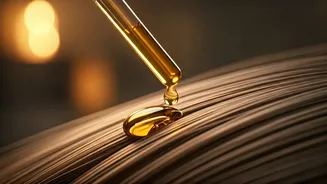
While tradition and nostalgia are powerful drivers, the revival is also backed by a growing understanding of hair science. So, what does oiling actually do? Primarily, it's about scalp health and hair protection. Massaging oil into the scalp helps to boost blood circulation, which can create a healthier environment for hair follicles. Certain oils, like coconut oil, have been shown to penetrate the hair shaft, helping to reduce protein loss during washing. This is crucial for preventing damage and breakage. Oiling also helps to seal the hair’s cuticle, locking in moisture, reducing frizz, and adding a natural shine. While it’s not a magic bullet for hair loss, by nourishing the scalp and protecting the hair strands you already have, oiling provides a strong foundation for healthier, more resilient hair.
Choosing Your Champion Oil
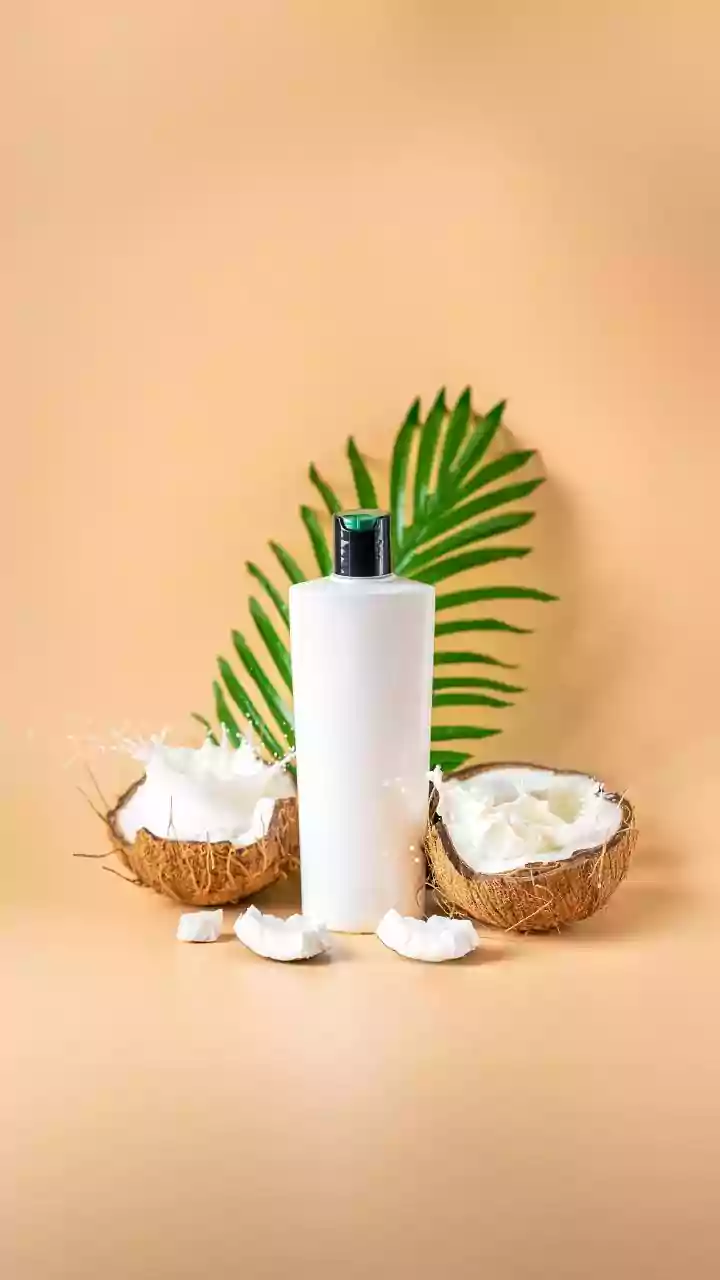
The beauty of hair oiling lies in its versatility, with different oils offering unique benefits rooted in both tradition and composition. Coconut oil, rich in lauric acid, is a deeply penetrating moisturiser, ideal for reducing protein loss and adding strength. Amla oil, derived from the Indian gooseberry, is packed with Vitamin C and antioxidants, traditionally used to nourish the scalp and encourage thickness. Almond oil is a lighter option, full of Vitamin E, making it great for adding shine and softness without weighing hair down. And then there's castor oil, a thicker, more viscous oil celebrated for its ricinoleic acid content, often used in targeted treatments for the scalp to promote a healthy growth environment. The modern approach often involves blending these oils or using formulations that target specific concerns, from dryness to scalp irritation.
The Modern Art of Oiling
The way we oil our hair has also evolved. While the intensive, overnight soak remains a beloved weekend ritual, people are finding new ways to incorporate oils into their daily routines. 'Hair slugging,' where a light oil is applied to the ends of the hair before bed, has become a popular method for combating dryness and split ends. Oils are now formulated as lightweight finishing serums to tame flyaways and add a final touch of gloss after styling. Pre-shampoo treatments are perhaps the most popular modern application, allowing you to reap the nourishing benefits of the oil for an hour or two before washing it out, which prevents the greasy feeling some dislike. This flexibility has made the practice accessible even to those with fine hair or oily scalps, proving that this ancient tradition has a firm place in the modern beauty lexicon.