
The Core Design Lesson: Integration Over Addition
For years, indoor plants were often an afterthought—a pot placed in a lonely corner. The new wave of small-space gardening, born from necessity in compact urban apartments, treats greenery as an integral part of the home's design. The key lesson is to
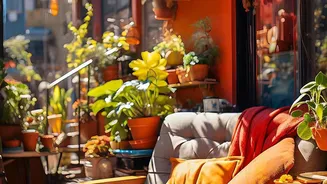
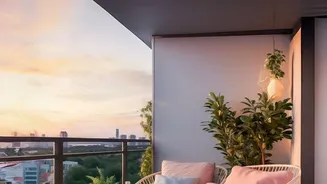
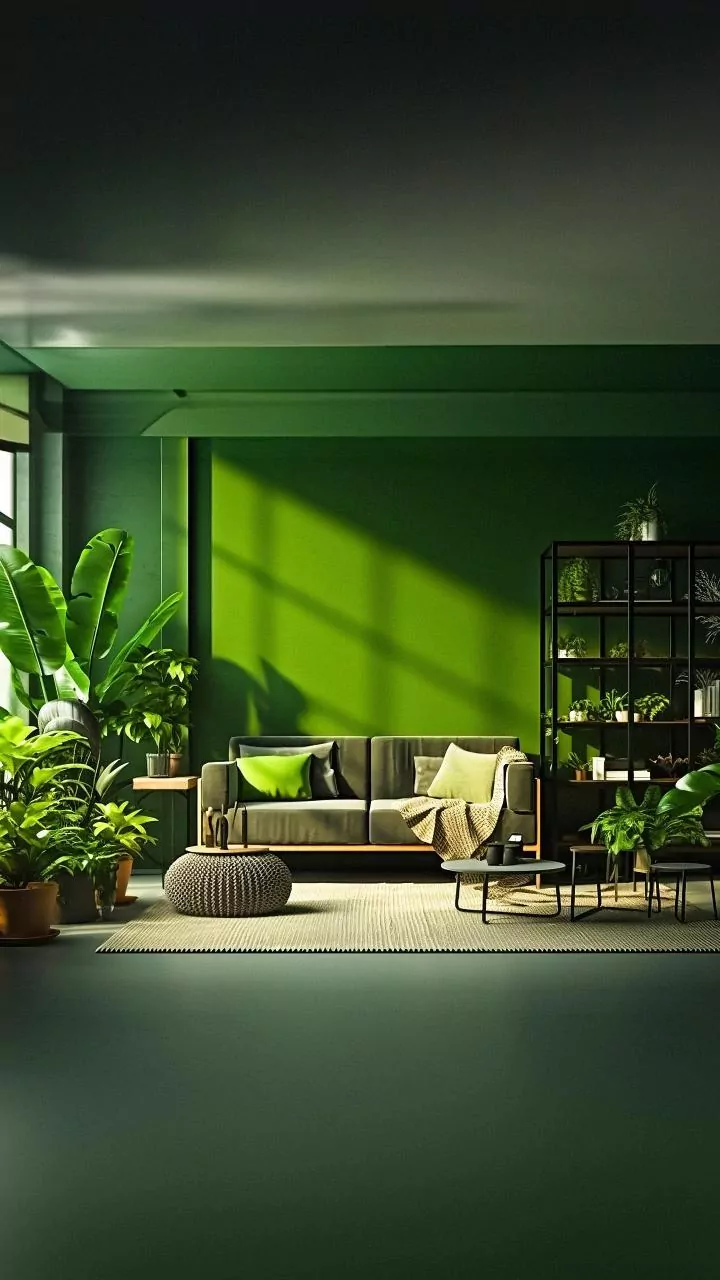
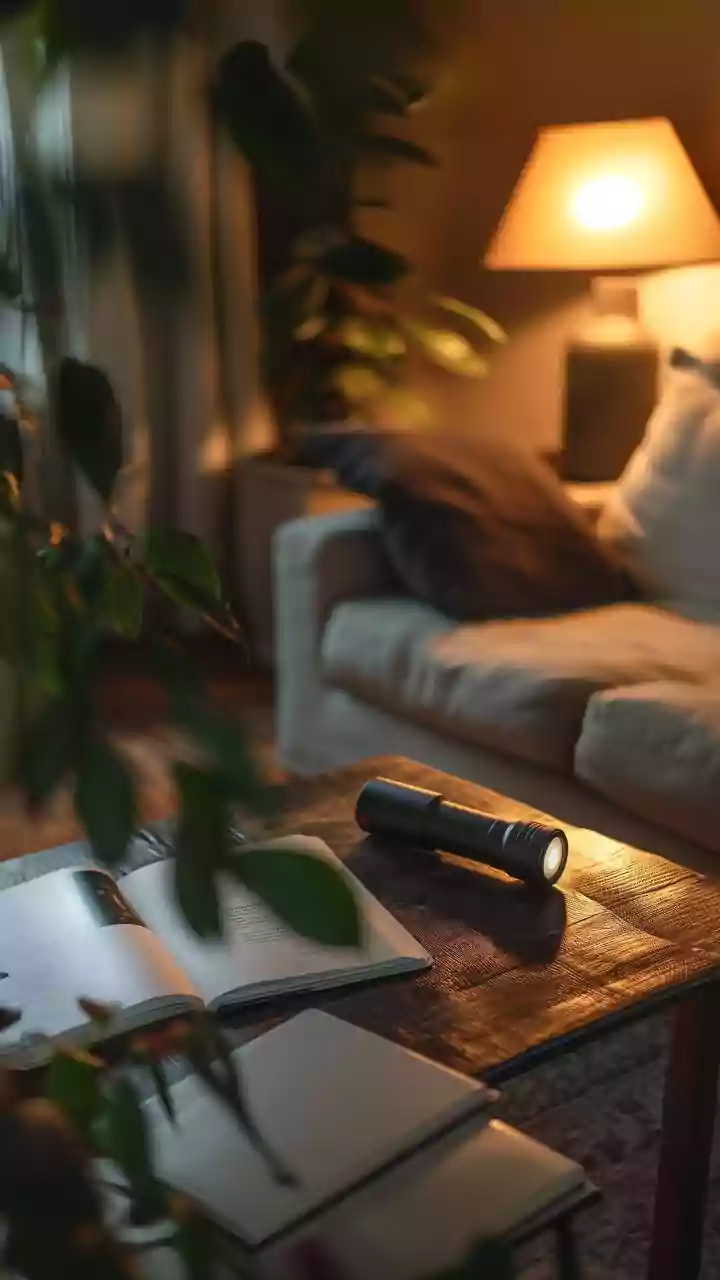
stop thinking of plants as mere accessories and start seeing them as living architectural elements. This isn't just about adding a pot; it's about designing with life. The goal is to create a cohesive environment where plants, furniture, light, and decor work in harmony. This approach transforms your home from a space that simply contains plants to a space that is defined and enhanced by them, creating a dynamic, breathing interior.
Thinking Vertically: Your Walls Are Your New Garden
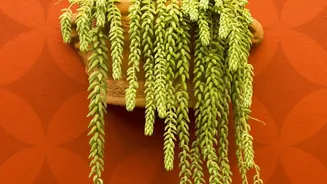
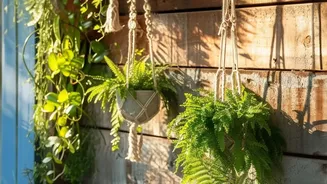
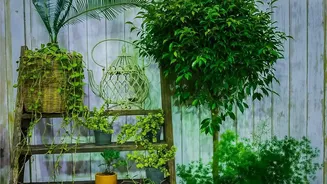
When floor space is a premium, the only way to go is up. Vertical gardening is the cornerstone of the no-balcony trend, turning empty walls into lush, productive canvases. Forget bulky pots; think modular wall-mounted planters, pocket organisers, and elegant hanging baskets. Trailing plants like Money Plant (Pothos) or Spider Plants can create a beautiful cascading effect from a high shelf or a hanging planter near a window. You can install a simple trellis against a wall to train a creeper, or mount a series of small shelves to display a collection of succulents and cacti. This method not only saves precious square footage but draws the eye upward, making a small room feel taller and more expansive.
The Window as a Greenhouse
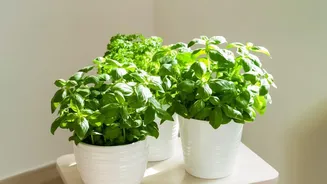
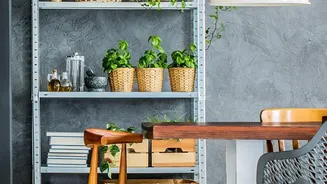
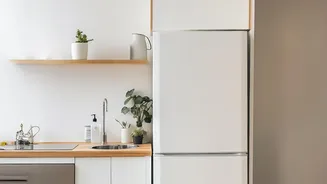
A sunny windowsill is prime real estate in a home without a balcony. It's the perfect spot for plants that love light and can serve as a miniature, ever-changing landscape. This is an ideal location for a kitchen herb garden—imagine having fresh basil, mint, and coriander just an arm's reach away. Window boxes that fit snugly on the sill can host a variety of small flowering plants or greens like lettuce. For windows that receive less direct sun, you can opt for low-light tolerant species like the Peace Lily or Snake Plant. By curating your windowsill garden, you not only give your plants the light they need but also frame your view of the outside world with a touch of nature.
Choosing the Right Green Companions
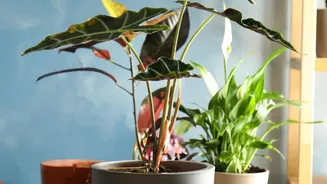
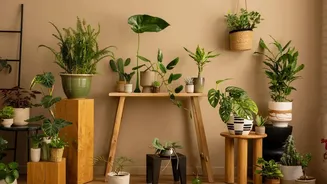
The success of your indoor garden depends heavily on selecting the right plants. For Indian homes, which can vary in temperature and light, choosing resilient, low-maintenance varieties is key. The Snake Plant is a fantastic choice as it grows vertically, takes up minimal space, and is known for its air-purifying qualities and tolerance for low light. Other great options include the ZZ Plant, various types of Ferns, and the ever-popular Aloe Vera, which thrives with a bit of sunlight from a window. For those wanting a pop of colour, flowering plants like the Peace Lily or Kalanchoe are excellent choices for apartment living. The key is to match the plant's needs—light, water, humidity—with the conditions of the spot you've chosen for it.
More Than Green: The Art of Accessorising
The final touch in transforming your indoor garden into a design statement lies in the details. The planters, pots, and stands you choose are as important as the plants themselves. Don't be afraid to mix and match textures and materials. A collection of terracotta pots can create a rustic, earthy feel, while sleek ceramic or metal planters can lend a modern, minimalist vibe. Grouping plants of different heights, leaf shapes, and colours together creates visual interest and depth. Think of it as creating small vignettes around your home. Even your watering can and other tools can be chosen for their aesthetic appeal, reinforcing the idea that gardening is a beautiful and integrated part of your lifestyle.